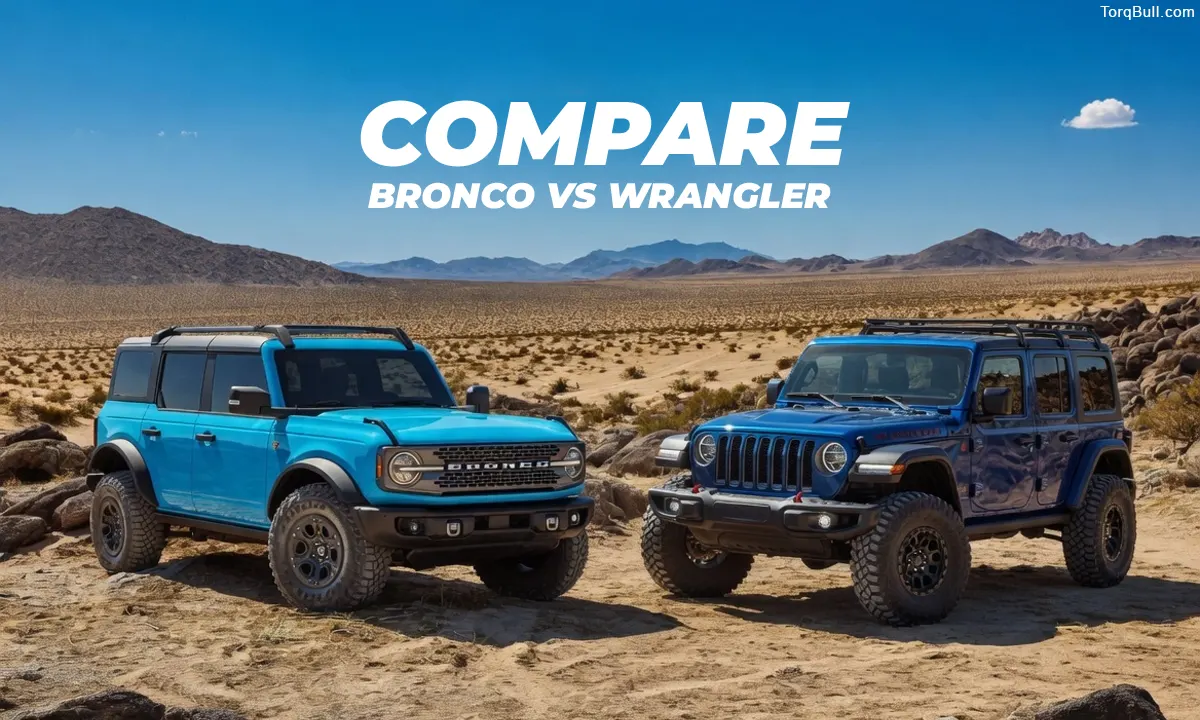
- 2026 Ford Bronco offers stronger standard performance (300 hp), modern tech (12-inch screen, SYNC 5), and up to 13.1 inches ground clearance (Raptor)
- Jeep Wrangler counters with lower starting price, unmatched off-road legacy, massive aftermarket support, and a 375 hp plug-in hybrid option
- Verdict: Bronco leads in tech and performance, while Wrangler remains the purist choice for off-road heritage and customization
Ford Bronco vs Jeep Wrangler comparison is the most emotionally charged and most genuinely difficult head-to-head evaluation in the American SUV market — because both vehicles command fierce loyalty from buyers who view their choice as an identity statement as much as a vehicle purchase, and because both are genuinely excellent at what they are designed to do. The Bronco returned after a 25-year absence in 2021 and immediately established itself as a legitimate off-road challenger, not merely a nostalgia exercise. The Wrangler, which has defined the segment for decades, responded with 2025 updates including power windows, locks and active cabin ventilation — acknowledging that even the most hardcore off-roader has to function in everyday life. In 2026, the comparison has never been closer — and the verdict has never been more dependent on individual buyer priorities.
Price: Wrangler Wins the Entry Level
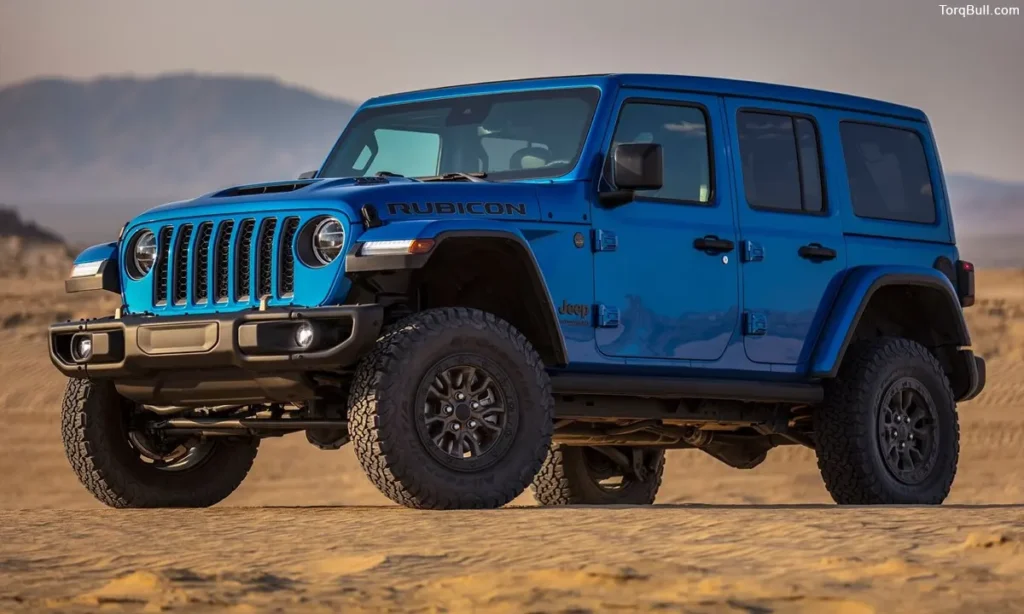
The starting price comparison between the 2026 Ford Bronco and 2026 Jeep Wrangler is the clearest category advantage the Wrangler holds and the first number that shapes the entire comparison for budget-conscious buyers.
The 2026 Jeep Wrangler Sport starts at $34,895. The 2026 Ford Bronco base model starts at $40,495 — approximately $5,600 more than the Wrangler entry point for comparable two-door configurations. This pricing gap means the Wrangler is the more accessible vehicle for buyers entering the body-on-frame off-road SUV category without a premium budget. Both vehicles scale steeply through their trim levels: the Bronco Raptor exceeds $90,000, while the Wrangler Rubicon with performance packages and the 2026 monthly special edition releases from Jeep — including the Moab 392 with a 470-horsepower 6.4-litre HEMI — reach similar or higher price points at the top of their respective lineups. At most equivalent configurations throughout the lineup, the Wrangler remains priced below the Bronco — a consistent competitive advantage that helps explain the Wrangler’s continued high sales volumes despite the Bronco’s compelling case in other categories.
Read: Ford Bronco Engine Performance Real Test. The Complete 2026 Analysis
Off-Road Capability: Closer Than the Brands Claim
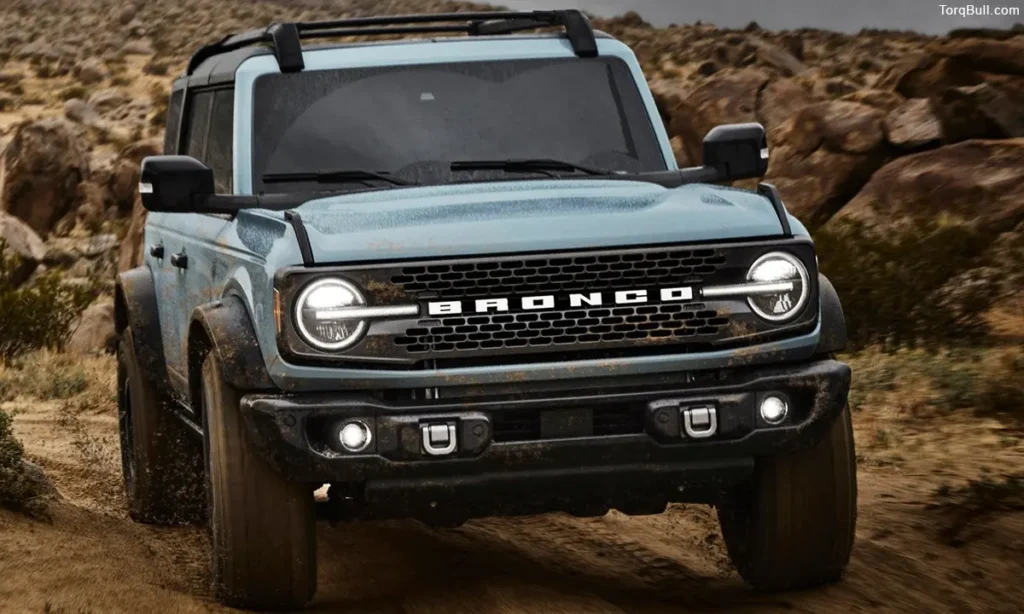
Both manufacturers make aggressive off-road capability claims for their respective vehicles — and both are justified, which makes this the hardest category to call definitively.
When comparing the pinnacle configurations — the Bronco Raptor versus the Wrangler Rubicon 392 — the dimensional off-road specifications are remarkably close. The Bronco Raptor achieves 13.1 inches of ground clearance, a 47.2-degree approach angle, a 30.8-degree breakover angle and a 40.5-degree departure angle. The Wrangler Rubicon 392 achieves 12.9 inches, 47.4 degrees, 26.7 degrees and 40.4 degrees respectively. The Bronco’s advantage in breakover angle — 30.8 versus 26.7 degrees — is its most meaningful off-road geometry advantage, providing better ability to traverse objects or crests between the front and rear axles. The Wrangler’s solid front axle, which most Wrangler variants retain, provides greater wheel articulation on extreme uneven terrain compared to the Bronco’s independent front suspension — a hardware distinction that experienced rock crawlers specifically value on the most technical trails.
For the vast majority of buyers who will use their off-road SUV for trails, dirt roads, moderate rock crawling and overlanding rather than competitive rock racing, both vehicles provide capability well beyond what the terrain will demand. The Bronco’s seven G.O.A.T. modes — Goes Over Any Type of Terrain — provide accessible terrain management that benefits less experienced off-roaders. The Wrangler’s available electronic sway bar disconnect and its legendary Rubicon-specific hardware reflect a more hardcore mechanical purity that experienced off-road enthusiasts appreciate.
Technology and Interior: Bronco’s Most Convincing Win
Technology and interior quality represent the Ford Bronco’s clearest and most comprehensively documented competitive advantage over the Wrangler — an advantage that multiple independent comparisons have confirmed across multiple model years.
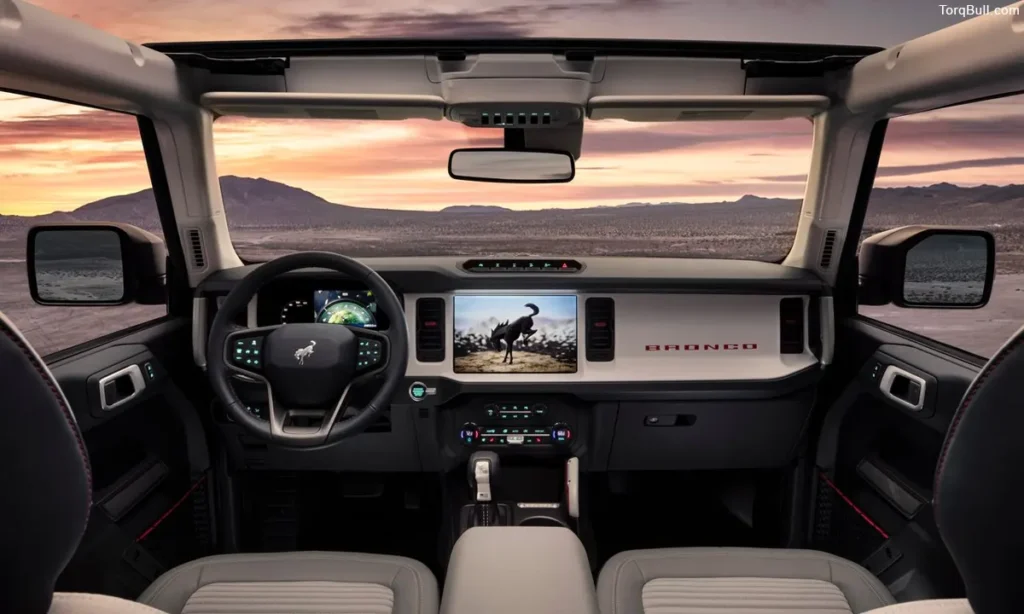
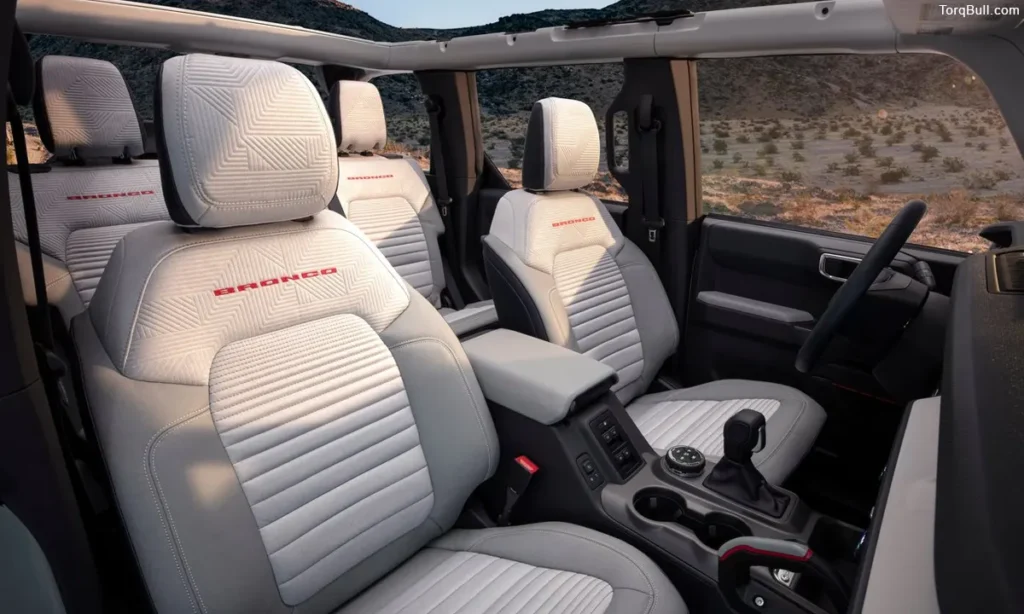
The 2026 Bronco comes standard with a 12-inch touchscreen, a 12-inch digital gauge cluster, wireless Apple CarPlay and Android Auto, a 4G LTE Wi-Fi hotspot supporting up to 10 devices and over-the-air update capability through the SYNC 5 system. The 2026 Wrangler provides a 12.3-inch infotainment screen on most trims but pairs it with a basic 3.5-inch black-and-white digital driver display — a combination that multiple reviewers characterise as feeling old-fashioned against the Bronco’s fully digital instrument setup.
The disparity extends to standard safety technology. The Bronco provides forward collision warning with automatic emergency braking, blind-spot monitoring, lane-keeping assistance and adaptive cruise control as standard or near-standard across its lineup. The Wrangler added power windows and power locks as recently as 2025 — a detail that reflects the brand’s prioritisation of mechanical off-road hardware over electronic amenities. For buyers who use their off-road SUV as a daily driver and expect modern safety technology as a baseline rather than a luxury option, the Bronco’s technology standard is significantly more contemporary.
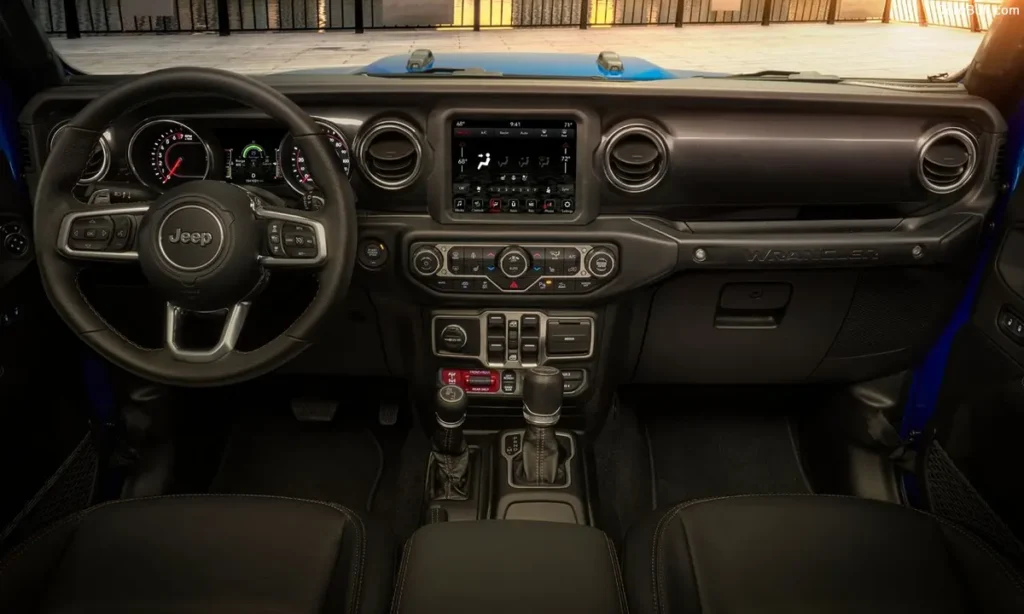
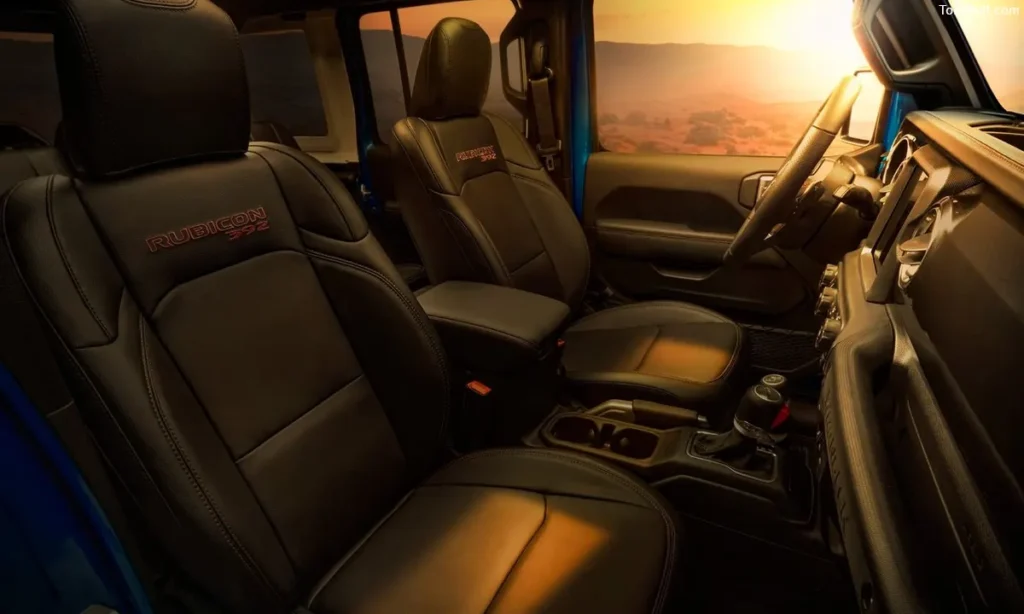
Interior cargo space also favours the Bronco. The four-door Bronco provides 35.6 cubic feet with the rear seats up and 77.6 cubic feet folded — more than the Wrangler’s 31.7 cubic feet and 72.4 cubic feet respectively. The Bronco’s larger wheelbase and dimensions produce more practical daily usability at the cost of slightly reduced approach angles in the base configurations compared to the more compact Wrangler.
On-Road Ride Quality: Bronco’s Second Major Advantage
Both the Bronco and Wrangler share the body-on-frame construction, solid rear axle and high ride height that produce their off-road capability — and both pay a similar price in on-road refinement relative to unibody crossovers. But within the off-road SUV category, the Bronco consistently earns higher praise for on-road ride quality and daily drivability.
The Bronco’s independent front suspension provides better on-road handling, more confident high-speed stability and a more composed response to highway surface variations than the Wrangler’s solid front axle, which prioritises articulation over on-road precision. Consumer Reports specifically describes the Bronco as a superior daily driver to the Wrangler in many ways, with better handling and a more comfortable ride. The Wrangler’s solid front axle setup produces the steering characteristic that experienced Wrangler owners describe as wandering on straight roads — a trait that requires more active driver correction at highway speeds than the Bronco demands. For buyers who regularly cover significant highway miles between off-road adventures, this on-road character difference is a real daily quality-of-life distinction.
Reliability and Resale Value: Wrangler’s Experience Advantage
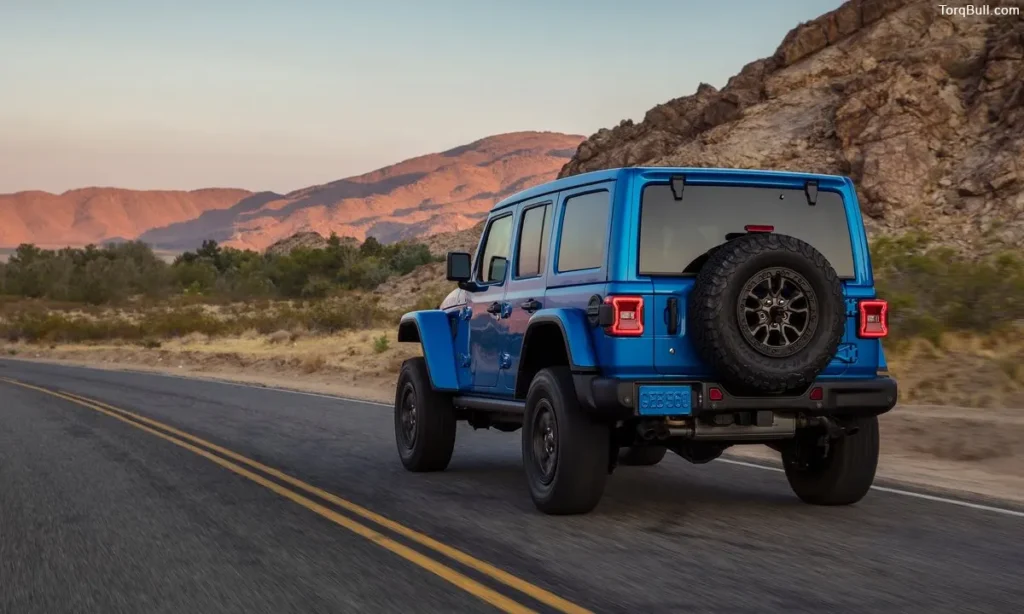
JD Power’s 2025 Vehicle Dependability Study places the Jeep Wrangler at 80 out of 100 in dependability — above the industry average and ahead of the Bronco’s position in the same study. This reliability advantage reflects the Wrangler’s decades of production refinement and the extensive real-world durability data that long ownership history provides. The Bronco, now in its fifth year of production, is accumulating reliability data rapidly — and early owner community accounts from Bronco6G and Bronco Nation forums suggest the Bronco’s reliability is improving with each model year — but the Wrangler’s established track record remains the more thoroughly documented.
Resale value is even more decisively in the Wrangler’s favour. iSeeCars data documents the Wrangler retaining 73.6 to 76.3 percent of its original value after five years — among the highest five-year retention rates of any vehicle sold in the American market. The Bronco’s resale data is more limited due to its shorter production history, but early indications suggest strong but not Wrangler-equivalent retention. For buyers who factor the total cost of ownership across a full ownership period, the Wrangler’s resale value advantage represents thousands of dollars of real financial return when the vehicle is eventually sold.
Aftermarket and Customisation: Wrangler Is in a Category of Its Own
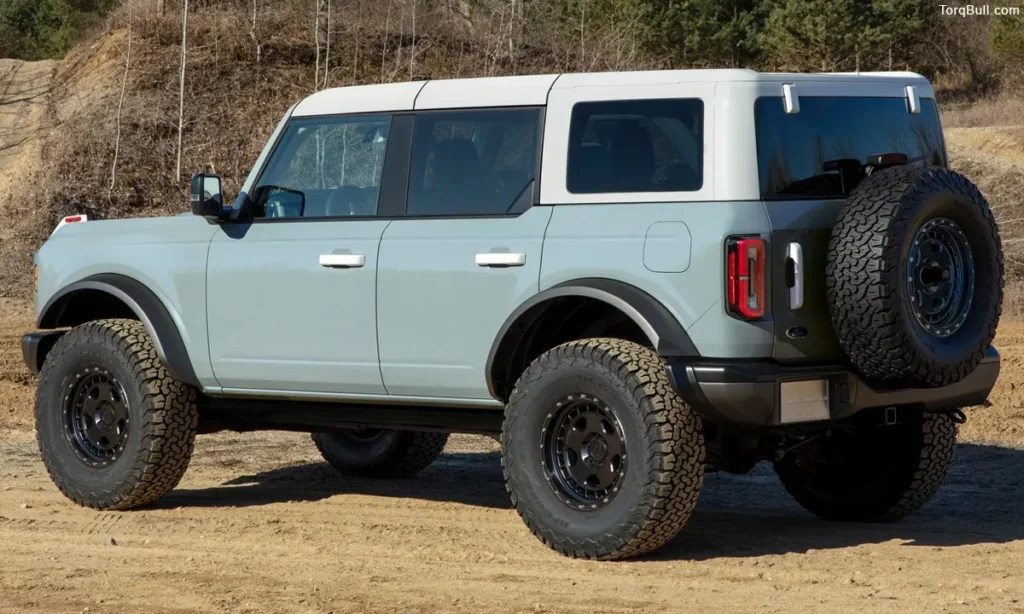
No vehicle in the American automotive market has a more extensive or more mature aftermarket modification ecosystem than the Jeep Wrangler. Decades of production continuity have produced a parts availability, modification culture and specialist knowledge base that the Bronco — with five years of production — cannot yet approach. Lift kits, bumpers, rock sliders, roof systems, lighting, recovery equipment and performance modifications for the Wrangler are available from hundreds of specialised manufacturers at price points ranging from budget-accessible to professional-grade. This aftermarket depth means Wrangler owners can significantly enhance their vehicle’s capability and personalise its appearance with accessible parts from a mature supply chain.
The Bronco’s aftermarket is developing rapidly — Ford Performance parts and a growing number of independent suppliers are building the ecosystem — but comparing it to the Wrangler’s aftermarket in 2026 is like comparing a teenager’s resume to a seasoned professional’s. For buyers whose ownership plan includes significant modification, the Wrangler’s aftermarket advantage is a practically relevant differentiator.
Read: Top 10 Best SUVs In USA for 2026. Ranked by Real Ownership Evidence
Ford Bronco vs Jeep Wrangler 2026 — Complete Comparison Chart
| Category | Ford Bronco (2026) | Jeep Wrangler (2026) | Winner |
| Starting Price | $40,495 | $34,895 | Wrangler |
| Standard Engine Power | 275–300 hp (2.3L EcoBoost) | 270 hp (2.0L Turbo) | Bronco |
| Max Engine Output | 418 hp (3.0L Raptor V6) | 540 hp (Hurricane I-6) / 470 hp (Rubicon 392 HEMI) | Wrangler |
| PHEV Option | No (mild hybrid in development) | Yes (4xe: 375 hp, 470 lb-ft) | Wrangler |
| Ground Clearance (top trim) | 13.1 inches (Raptor) | 12.9 inches (Rubicon 392) | Bronco (slight) |
| Breakover Angle (top trim) | 30.8 degrees | 26.7 degrees | Bronco |
| Front Suspension | Independent (better road manners) | Solid axle (better articulation) | Depends on use |
| Standard Infotainment | 12-inch screen + 12-inch digital cluster | 12.3-inch screen + 3.5-inch driver display | Bronco |
| Wireless CarPlay/Android Auto | Standard | Standard | Tie |
| Cargo (4-door, seats up) | 35.6 cu ft | 31.7 cu ft | Bronco |
| On-Road Comfort | Better (IFS, refined suspension) | More rugged feel | Bronco |
| JD Power Dependability | Lower than Wrangler | 80/100 (above average) | Wrangler |
| 5-Year Resale Value | Good (limited data) | 73.6–76.3% retained | Wrangler |
| Aftermarket Ecosystem | Developing | Decades-deep, widest in class | Wrangler |
| Off-Road Trim Range | 3 dedicated off-road variants | Multiple Rubicon variants | Tie |
| Towing Capacity | 3,500 lbs (4,500 Raptor) | 3,500 lbs | Tie |
The Honest Verdict: Which Is Better for You?
The Bronco is better for buyers who prioritise modern technology, daily driving comfort and on-road refinement alongside off-road capability — buyers whose vehicle is a daily commuter 90 percent of the time and a trail machine on weekends. Its standard 12-inch digital instrument cluster, SYNC 5 connectivity, wider cargo space and independent front suspension combine to create the most liveable everyday off-road SUV available in the American market. The Bronco is also the better choice for buyers who want the most accessible off-road capability right off the dealer lot without requiring aftermarket modification investment.
The Wrangler is better for buyers who prioritise the most proven off-road heritage, the deepest aftermarket modification ecosystem, the highest resale value retention in the class and the plug-in hybrid 4xe’s electric off-road capability — a genuinely unique capability that no Bronco powertrain currently matches. It is also the better price entry point for buyers whose budget is tight. For the most serious trail enthusiasts who plan extensive modification and whose benchmark is rock-crawling performance rather than daily commuting comfort, the Wrangler’s solid front axle and decades of off-road engineering refinement remain the purest expression of the segment’s core purpose.
The Wrangler’s greater resale value and JD Power reliability edge make it the stronger financial decision for buyers who plan to sell after three to five years. The Bronco’s technology and daily usability advantages make it the stronger daily-use decision for buyers who prioritise the on-road experience during the 95 percent of time the vehicle is not on a trail.