Cadillac CT6 vs 2027 Mercedes-Maybach S-Class: Can America Compete With German Ultra-Luxury?
From the Discontinued CT6's Complicated Legacy to the Handbuilt Cadillac Celestiq's Bold Ambition, the Question of Whether American Luxury Can Match Stuttgart's Finest Has Never Been More Urgent, More Fascinating or More Genuinely Contested Than It Is in 2027
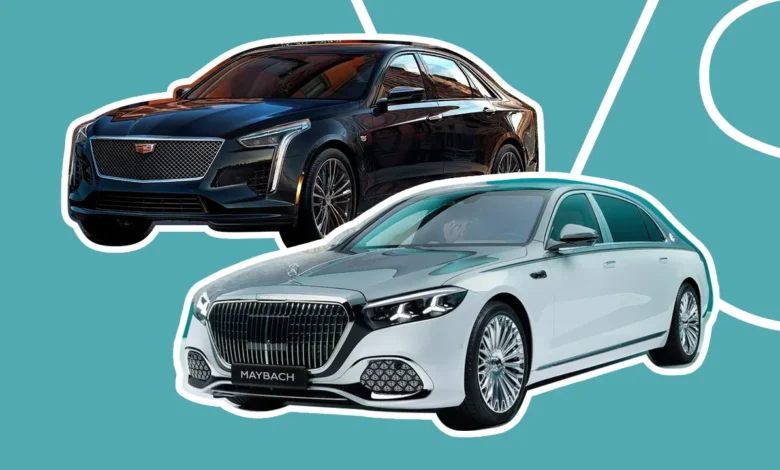
Cadillac CT6 vs. 2027 Mercedes-Maybach S-Class: The question of whether American luxury can genuinely compete with its German counterpart is one of the most enduring, most passionately argued and most commercially consequential debates in the global automotive industry. It is a debate that has been running since Cadillac first adopted the slogan Standard of the World in the early twentieth century and one that has been complicated, extended and periodically reinvigorated by the emergence of new players, new technologies and new definitions of what luxury in an automobile actually means. In 2027, the debate arrives at what may be its most interesting and most revealing inflection point — with the 2027 Mercedes-Maybach S-Class representing the German ultra-luxury proposition at its most comprehensive and most expensive, and with Cadillac simultaneously navigating the complicated legacy of its only recently discontinued CT6 flagship while advancing the extraordinary handbuilt Celestiq as its answer to the ultra-luxury question for the decade ahead. The comparison between these American and German approaches to luxury motoring excellence is not merely a specification exercise. It is a philosophical inquiry into what luxury means, who defines it and whether the country that invented mass-market personal mobility can compete credibly with the country that invented the premium automotive market.
Gallery: Cadillac CT6 vs 2027 Mercedes-Maybach S-Class
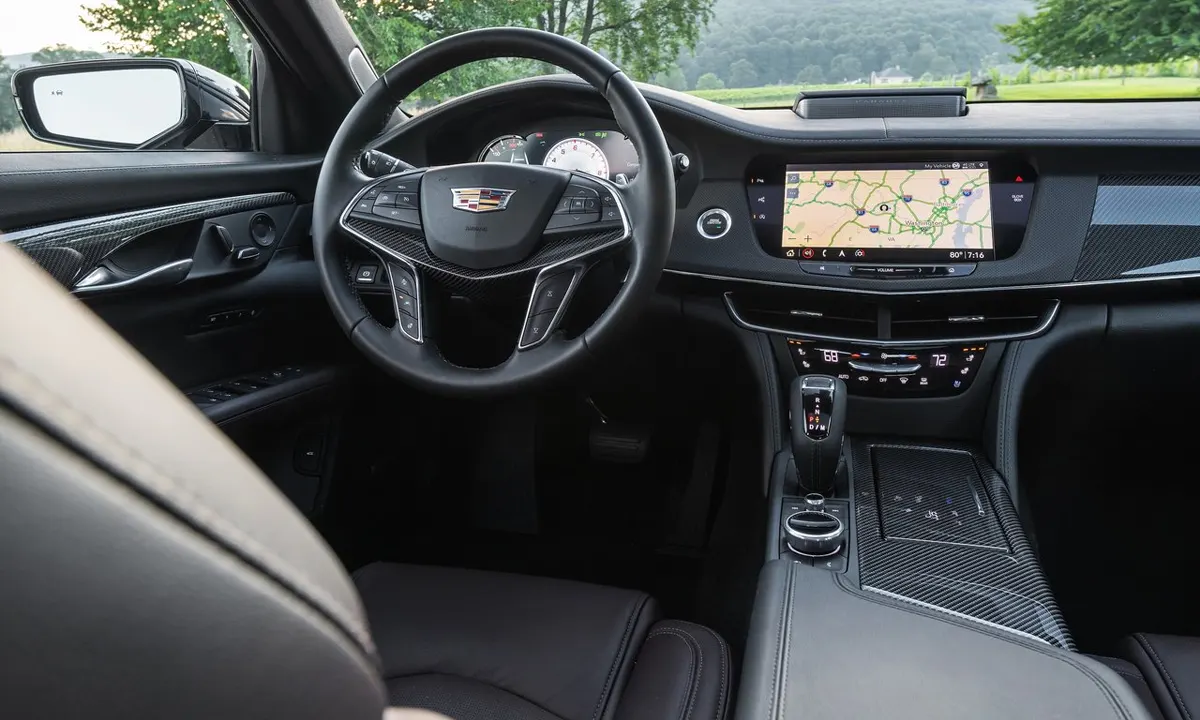
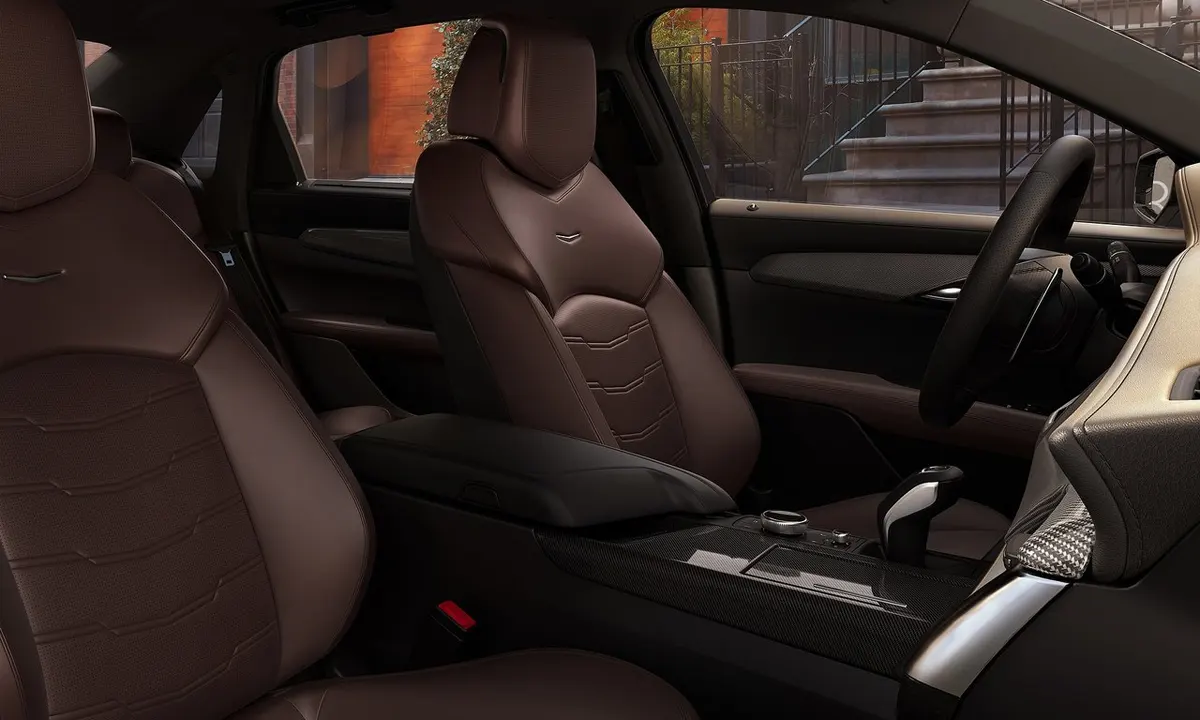
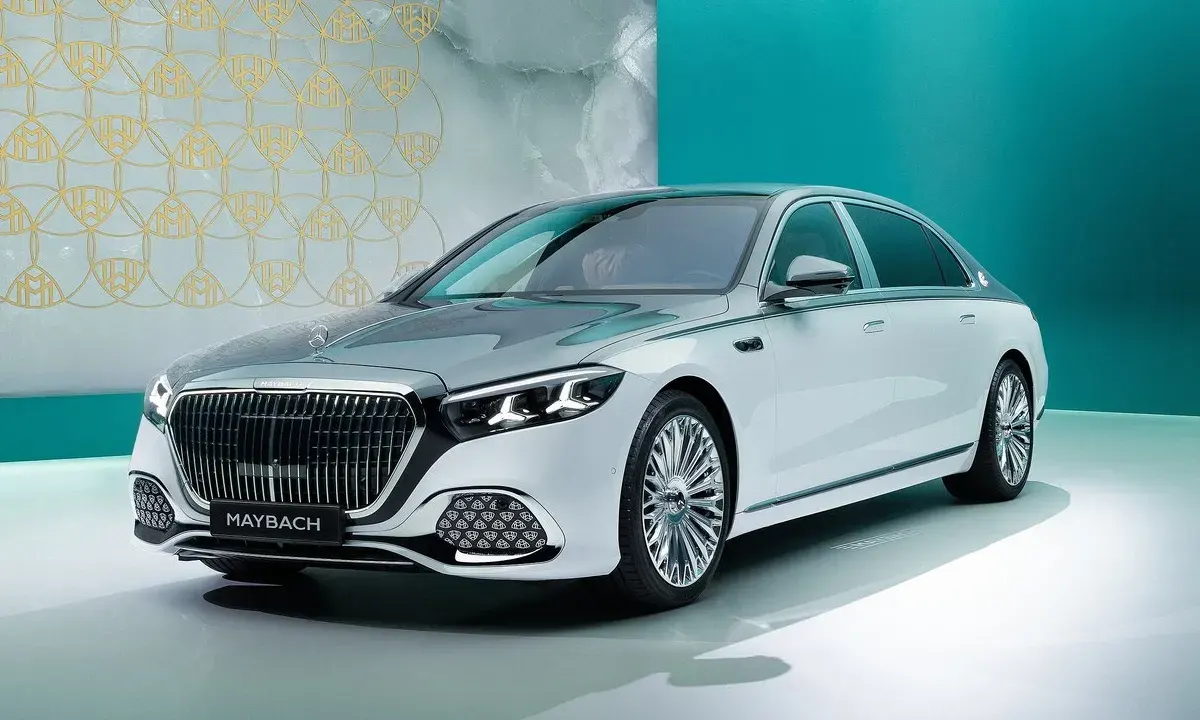
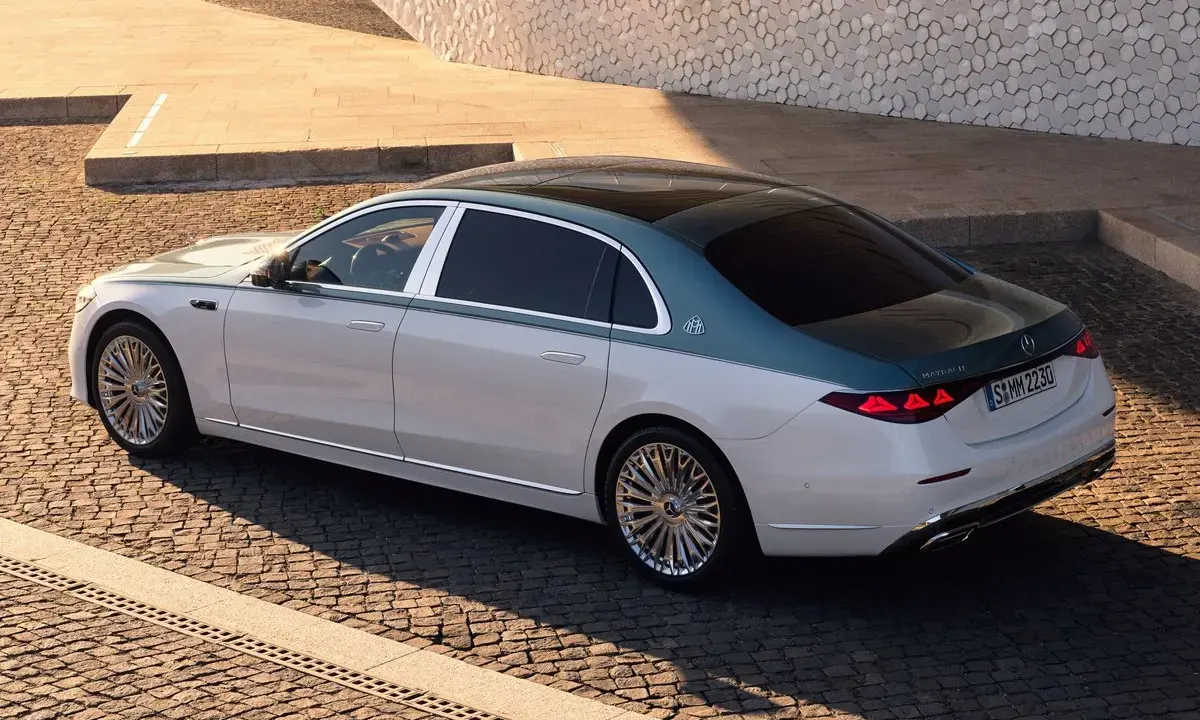
The CT6: America’s Most Credible Flagship That Wasn’t Given the Chance to Succeed
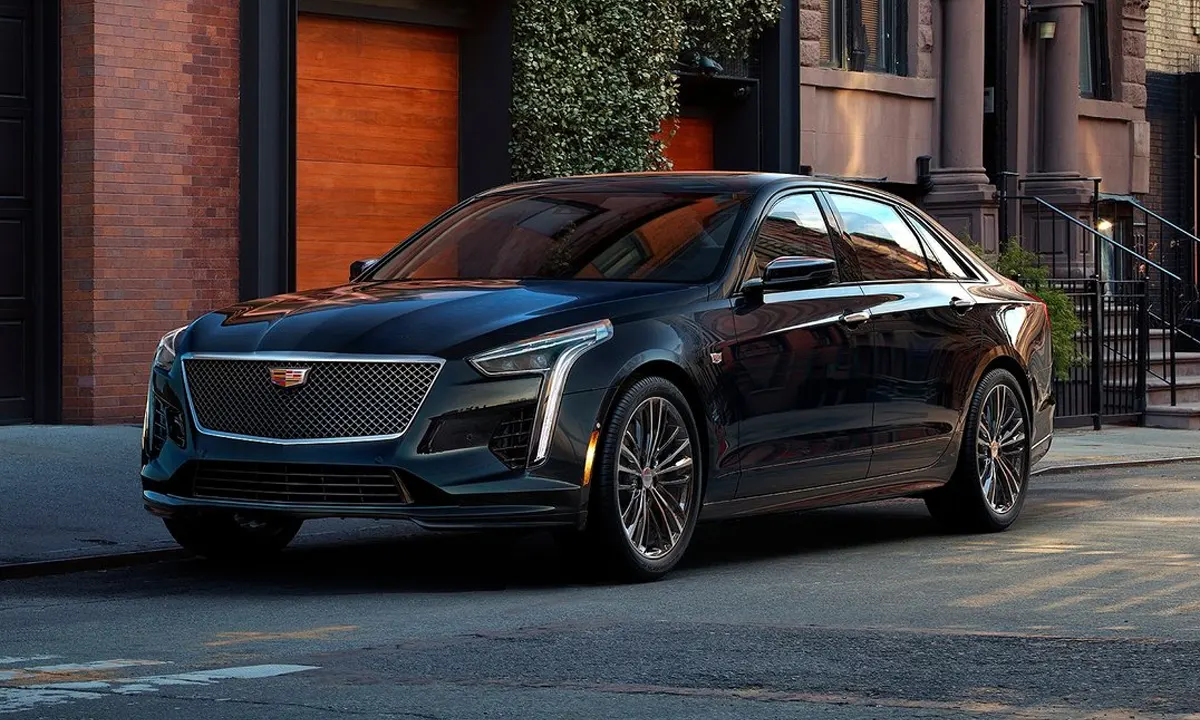
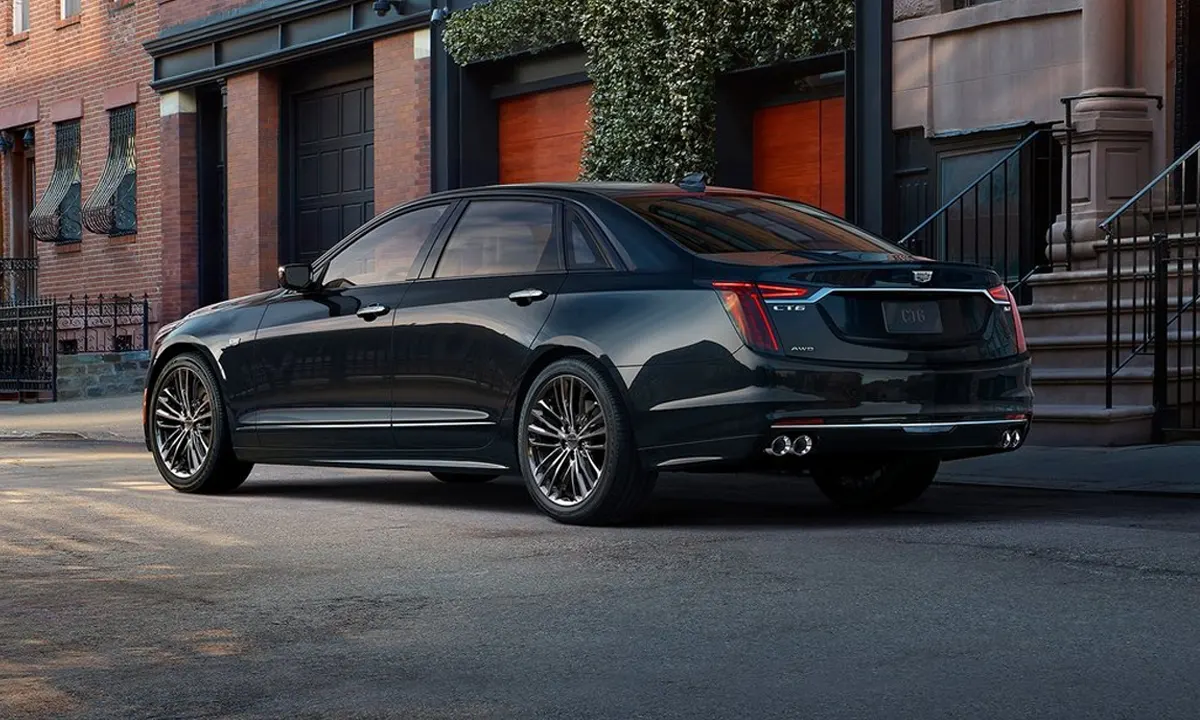
The Cadillac CT6 was, by almost every objective assessment made by the automotive press during its production run from 2016 to 2020, one of the most genuinely impressive large luxury sedans produced by an American manufacturer since the Cadillac Fleetwood of the 1990s. Built on a sophisticated multi-material platform that used aluminium extensively to achieve a kerb weight meaningfully below its German competitors, equipped with a twin-turbocharged 4.2-litre twin-turbocharged V8 — the Blackwing, handbuilt in small numbers and producing 550 horsepower — and offering a 34-speaker Bose Panaray audio system, rear-seat entertainment screens and General Motors’ ground-breaking Super Cruise hands-free highway driving system as standard or near-standard equipment, the CT6 was a genuinely extraordinary automobile. Its pricing, ranging from approximately $55,000 to $87,000 for Platinum specification, positioned it well below the Maybach and even below the standard Mercedes-Benz S-Class — a value proposition that simultaneously demonstrated Cadillac’s ambition and undermined its ability to communicate genuine premium status in a market where price functions as one of the most powerful quality signals available.
The CT6 was discontinued in the United States in February 2020, a victim of declining sedan sales, General Motors’ strategic pivot toward electric and SUV products and the brutal commercial reality that a full-size luxury sedan requires a scale of investment and a depth of brand prestige that Cadillac’s American market positioning could not sustain at the sales volumes the CT6 achieved. The model continues to be produced and sold in China — where the second-generation design, substantially updated and refreshed for 2024 and 2026, has found a market among Chinese luxury buyers who value the American brand’s design language and its magnetic levitation chassis technology — but its absence from American showrooms represents one of the most significant missed opportunities in recent American luxury automotive history. A car that was genuinely, substantively and convincingly competitive with the S-Class in ride quality, technology and rear passenger experience never found the American audience it deserved — and the German manufacturers, whose products it credibly challenged, have continued to prosper in the American market in its absence.
The Maybach’s 2027 Standard: What American Luxury Is Being Measured Against

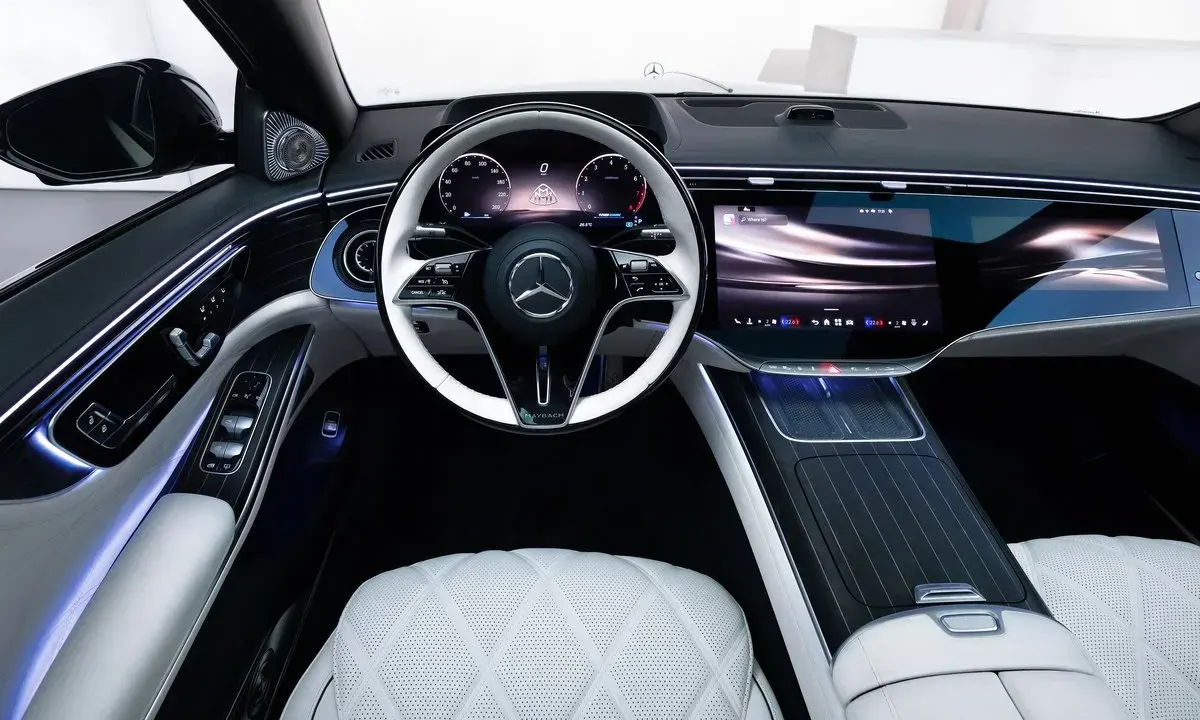
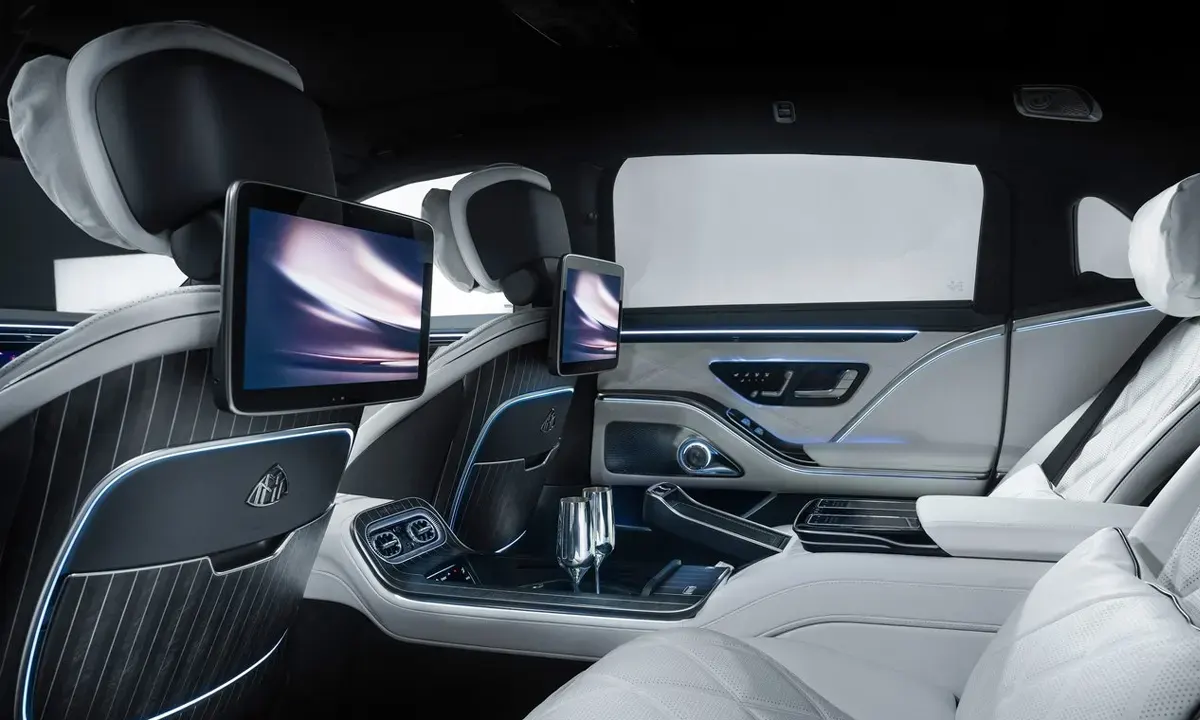
The 2027 Mercedes-Maybach S-Class represents the German ultra-luxury proposition at its absolute zenith — a vehicle whose engineering ambition, material quality and occupant experience collectively define the upper boundary of what is currently achievable in a series-production luxury automobile. The handcrafted 621-horsepower V12 engine in the S680 4MATIC specification — one of the last remaining twin-turbocharged V12 powerplants in the production luxury car market — delivers its output with a seamlessness and a mechanical refinement that no V8, regardless of its sophistication, can fully replicate. The new Car-to-X predictive AIRMATIC suspension — which receives real-time road surface data from preceding vehicles through Mercedes-Benz’s cloud infrastructure and adjusts damping proactively before encountering imperfections — represents a ride quality achievement that surpasses anything achievable through reactive suspension technology alone. The 13.1-inch rear entertainment screens, the 43.5-degree reclining rear seats with ottoman extension, the silver-plated Robbe and Berking champagne flutes and the over 400 available interior colour combinations collectively create an ownership experience whose opulence is genuine rather than cosmetic and whose attention to occupant wellbeing reflects decades of accumulated expertise in defining what ultra-luxury transportation means at its most comprehensive.
Starting above $210,000 for the V8-powered S580 and above $248,000 for the V12 S680, the Maybach does not merely cost more than any recent Cadillac flagship. It costs more than the entire annual income of the median American household — a pricing reality that places it in a different commercial universe from the CT6 and that frames the comparison between American and German luxury as a contest between two competitors operating at different altitudes of the market rather than in direct head-to-head competition. The more honest and more commercially relevant question is not whether the Cadillac CT6 can beat the Maybach S-Class — the price gap makes that framing structurally unfair — but whether any American manufacturer has produced, or is capable of producing, an ultra-luxury automobile that can compete with the Maybach on genuine merit in the dimensions that define the upper tier of the global luxury market.
Enter the Celestiq: America’s Genuine Ultra-Luxury Answer
The honest answer to whether American luxury can compete with the Maybach in 2027 requires looking not at the discontinued CT6 but at the vehicle General Motors and Cadillac have explicitly designed as their answer to the ultra-luxury question — the handbuilt Cadillac Celestiq, produced at the General Motors Technical Center in Warren, Michigan at a rate of approximately one to two vehicles per day and priced from $340,000 before the extensive personalisation options that every buyer is expected to incorporate into their specification. The Celestiq is, in its fundamental concept, America’s most direct and most ambitious answer to the Maybach — a vehicle that matches it in exclusivity of production, surpasses it in the comprehensiveness of its personalisation programme and challenges it in technology through the deployment of a 55-inch pillar-to-pillar Smart Glass roof and a quad-screen interior display architecture that collectively create an environment of technological drama genuinely beyond what the Maybach’s cabin currently provides.
The Celestiq’s 600-horsepower dual-motor electric drivetrain — shared in architecture but not in character with Cadillac’s broader Ultium EV platform — provides effortless, seamless acceleration entirely consistent with its ultra-luxury positioning, and the air suspension’s ride quality has been praised by every publication granted access to the vehicle as genuinely competitive with the Maybach’s in the dimension of rear passenger isolation from road disturbance. The personalisation programme, developed in partnership with GM’s design studios and offering an effectively unlimited combination of exterior colours, interior materials, stitching patterns and trim options, provides a bespoke ownership experience whose depth rivals Rolls-Royce’s Bespoke department more closely than it resembles the standard equipment approach of a conventional luxury manufacturer.
At $340,000 and above, the Celestiq is not a Maybach alternative — it is a Maybach competitor, operating at a comparable and in some respects superior price point, asking its buyers to trust an American brand’s ability to deliver ultra-luxury at the highest level rather than defaulting to the European pedigree that the luxury market has historically rewarded so consistently.
Where the CT6’s China-Market Successor Stands Today
The 2026 Cadillac CT6 that continues in production for the Chinese market — refreshed with aggressive new pricing, comprehensive equipment upgrades and the magnetic levitation chassis technology that its manufacturer promotes as a class-leading dynamic differentiator — represents a fascinating window into what the CT6 could have become had General Motors committed to its continued development for the American market. Starting from approximately $40,690 USD equivalent at current exchange rates for the Premium trim and rising to $46,290 for the Flagship specification, the Chinese-market CT6 is powered by a turbocharged 2.0-litre four-cylinder engine producing 233 horsepower — a powertrain choice that reflects the Chinese market’s different taxation structure, where engine displacement carries significant financial consequences, rather than any engineering limitation on Cadillac’s part.
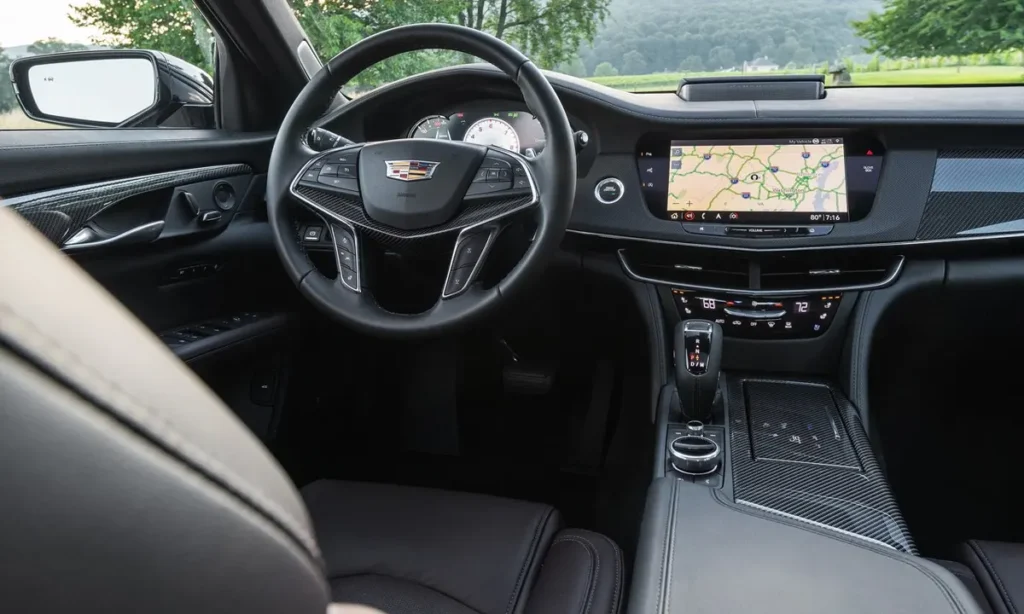
The interior of the updated CT6 has been substantially improved over the original American-market model — incorporating the new Cloud Tranquility beige interior colourway that Chinese luxury buyers have responded to enthusiastically, alongside comprehensive safety and connectivity technology that reflects the competitive realities of a Chinese market increasingly dominated by technology-rich domestic electric vehicle brands. The car’s fundamental architecture — its 204.7-inch overall length, its 3,880-pound kerb weight that makes it the lightest car in its Chinese market segment, and its suspension technology — remains genuinely competitive within its market context. The comparison with the Maybach, in this Chinese specification, is not one that can be made on equal terms — the price differential is simply too large and the powertrain comparison too unequal. But as a demonstration of what American luxury design philosophy can achieve in a market that values it, the Chinese CT6 remains a genuinely impressive and genuinely competitive product.
The Verdict: America Can Compete — But Only on Its Own Terms
The comparison between the Cadillac CT6 and the 2027 Mercedes-Maybach S-Class ultimately reveals not a winner and a loser but two fundamentally different philosophies of luxury automotive excellence — philosophies that share certain aspirations and diverge radically in their execution, their pricing and their target audiences. The Maybach’s approach is one of comprehensive, handcrafted German engineering applied to every dimension of the vehicle simultaneously, producing a result whose internal coherence and accumulated excellence justifies its extraordinary price. The CT6’s approach — at least in its American iteration — was one of genuine engineering achievement delivered at a price point intended to democratise ultra-luxury access, a philosophy whose commercial logic was sound but whose luxury market positioning proved difficult to sustain without the prestige premium that European badges consistently command.
The Cadillac Celestiq has changed that equation permanently. By pricing above the Maybach, building each vehicle by hand and offering a personalisation programme of genuinely bespoke depth, Cadillac has committed to competing with Germany on Germany’s terms — at ultra-luxury price points, with ultra-luxury production volumes and with an ultra-luxury ownership experience that does not apologise for its American origin but celebrates it. Whether the market will ultimately validate that commitment as completely as the engineering and the ambition behind the Celestiq deserve is a question whose answer will define American ultra-luxury automotive credibility for a generation. The evidence of the Celestiq’s reception — critically praised, enthusiastically purchased and increasingly respected in the global luxury automotive conversation — suggests that the answer is, for the first time in decades, genuinely and encouragingly optimistic.
Cadillac CT6 vs. 2027 Mercedes-Maybach S-Class – At a Glance
| Category | Cadillac CT6 (US Peak Spec) | Cadillac CT6 (2026 China) | 2027 Mercedes-Maybach S680 |
| Market | US (Discontinued 2020) | China Only | Global |
| Engine | 4.2L Twin-Turbo V8 (Blackwing) | 2.0L Turbo I4 | 6.0L Twin-Turbo V12 |
| Power | 550 hp | 233 hp | 621 hp |
| 0–60 mph | 3.5 Seconds | N/A | 4.3 Seconds |
| Starting Price (US) | $87,790 (Peak) | ~$40,690 USD Equiv. | Above $248,000 |
| Audio System | 34-Speaker Bose Panaray | Updated Standard System | Burmester High-End 3D |
| Autonomous Driving | Super Cruise (Level 2) | Standard Assist Suite | MB Drive Assist Pro |
| Rear Entertainment | Optional 10-Inch Screens | Updated Suite | 13.1-Inch Per Seat |
| US Market Status | Discontinued | Not Sold in US | Available 2026 Onwards |
| American Ultra-Lux Answer | Cadillac Celestiq (From $340,000) | — | N/A |