Hybrid SUVs With Highest Mileage. Ranked, Compared and Explained for Families
From 36 MPG to an Exceptional 49 MPG Combined — The 2026 Hybrid SUVs That Deliver the Fuel Economy Figures That Justify Every Dollar of Their Purchase Premium and Redefine What Efficiency Means in a Vehicle Large Enough to Carry a Family
The argument for buying a hybrid SUV has never been more straightforward than it is in 2026. Fuel prices that have remained persistently elevated across the preceding three years, combined with a maturation of hybrid powertrain technology that has eliminated the reliability hesitancy that once gave cautious buyers pause, have produced a market moment in which the hybrid SUV is no longer a compromise proposition — a vehicle purchased by the environmentally motivated buyer willing to accept modest performance penalties and uncertain long-term powertrain durability in exchange for lower running costs. The 2026 hybrid SUV segment is populated by vehicles that are faster, more refined, more capable and more fuel efficient than the conventionally powered alternatives they are increasingly replacing in family driveways across the United States. The fuel economy figures they produce are not marginal improvements over petrol equivalents. They are transformational differences that accumulate into thousands of dollars of annual savings across the real-world driving patterns of the families who choose them.
The Environmental Protection Agency’s combined fuel economy rating — a weighted average of city and highway cycle testing that reflects a standardised but imperfect approximation of real-world driving — provides the primary basis for comparison in this review. Where hybrid SUV performance diverges meaningfully between city and highway cycles, that distinction is noted: hybrid powertrains recover energy most efficiently during low-speed stop-and-go driving through regenerative braking, which means their city cycle figures frequently exceed their highway ratings by margins that make them uniquely advantageous for the urban and suburban driving patterns that characterise the majority of American family SUV use.
Toyota RAV4 Hybrid: The Volume Benchmark That Efficiency Built
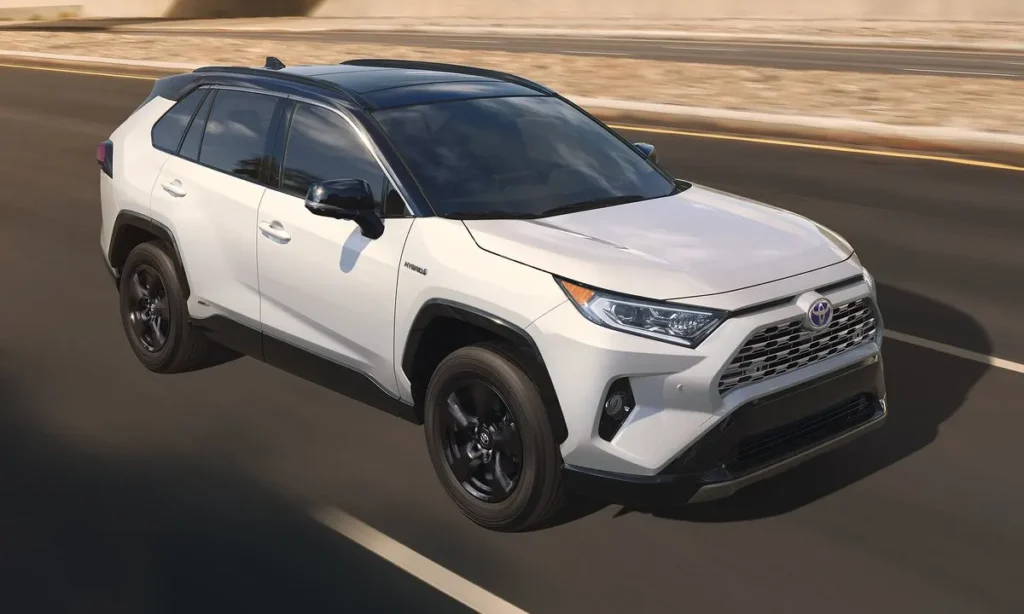
No hybrid SUV has done more to normalise the powertrain in the American family market than the Toyota RAV4 Hybrid, and the 2026 model year continuation of that vehicle’s formula demonstrates why volume leadership and efficiency leadership so rarely diverge when Toyota applies its accumulated hybrid engineering expertise to its best-selling global model. The 2026 RAV4 Hybrid achieves an EPA-rated 38 MPG combined — 41 MPG city and 38 MPG highway — figures that represent a 35 to 40 percent improvement over the conventional petrol RAV4 across typical suburban driving conditions and that translate to annual fuel savings of approximately 400 to 600 dollars depending on local fuel prices and individual driving patterns.
Toyota’s fourth-generation hybrid system pairs a 2.5-litre four-cylinder Atkinson-cycle engine with two electric motor generators and a compact nickel-metal hydride battery pack whose proven long-term durability across two decades of production volume has produced a reliability data set that no competitor’s hybrid system can yet match. The RAV4 Hybrid’s all-wheel drive system — delivered through a rear electric motor that operates independently of the front axle mechanical connection — provides genuine AWD capability without the efficiency penalty of a conventional mechanical AWD drivetrain, making it one of the few hybrid SUVs that fully resolves the tension between efficiency and all-weather traction.
Ford Escape Hybrid: The Compact Champion That Rewards City Drivers
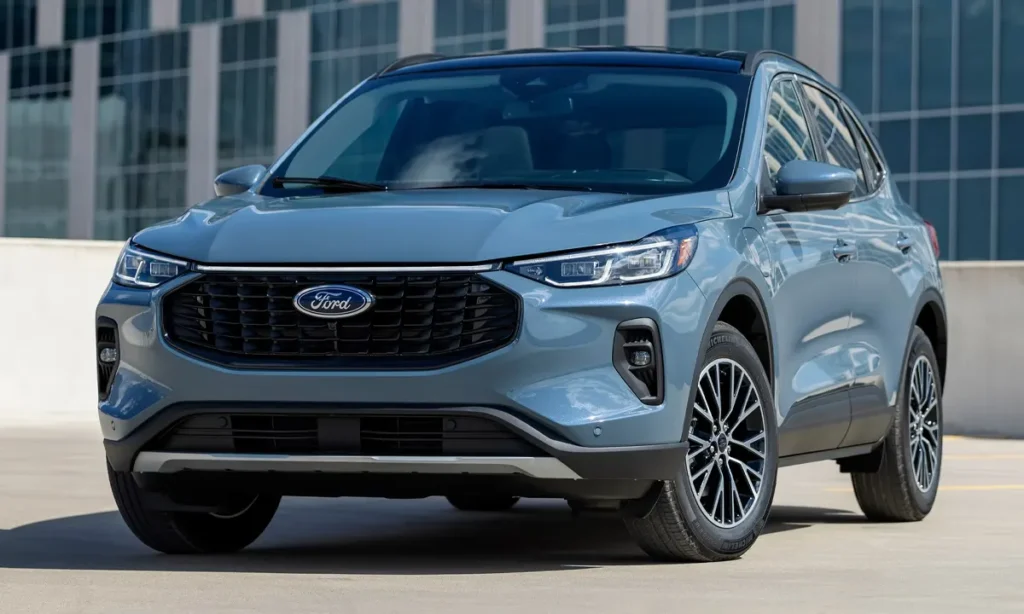
The Ford Escape Hybrid’s position in the 2026 efficiency rankings reflects a powertrain optimisation philosophy that prioritises urban cycle performance with exceptional conviction — producing an EPA city rating of 44 MPG that exceeds many hybrid SUVs’ combined figures and that makes the Escape Hybrid the most rewarding efficiency proposition available for buyers whose driving is predominantly urban or suburban in character. The combined EPA rating of 41 MPG places it among the segment leaders in overall efficiency, with a front-wheel-drive powertrain configuration that minimises drivetrain friction losses and maximises the proportion of recovered regenerative energy that translates into reduced fuel consumption rather than mechanical loss.
The Escape Hybrid’s 2.5-litre Atkinson-cycle engine works in concert with a lithium-ion battery pack and integrated electric motor to produce a combined system output that Ford has calibrated for seamless power delivery rather than the abrupt transitions between electric and combustion operation that characterised earlier generation hybrid systems. The available plug-in hybrid variant — the Escape PHEV — extends the efficiency proposition further for buyers with home charging access, but the standard hybrid’s fuel economy performance requires no infrastructure investment and no change in driving behaviour to deliver figures that significantly outperform the segment average.
Toyota Venza: Premium Positioning Meets Class-Leading Hybrid Efficiency
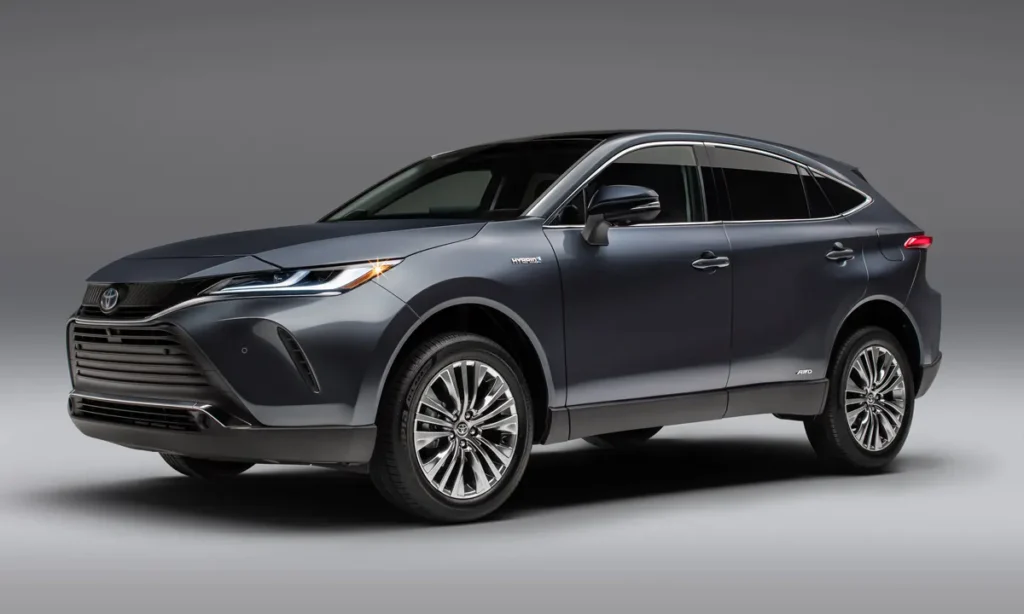
The Toyota Venza’s return to the American market as an exclusively hybrid model in its current generation reflects a product philosophy that treats the hybrid powertrain not as an efficiency add-on to a conventional vehicle architecture but as the foundational engineering decision around which every other aspect of the vehicle is designed. The 2026 Venza achieves an EPA combined rating of 40 MPG — 40 MPG city and 37 MPG highway — in a vehicle whose interior quality, standard equipment level and design sophistication position it distinctly above the mainstream compact hybrid SUV category that the RAV4 Hybrid and Escape Hybrid occupy.
The Venza’s standard all-wheel drive configuration, delivered through the same dual electric motor architecture as the RAV4 Hybrid, provides capable all-weather traction without compromising the fuel economy figures that make the vehicle’s efficiency case compelling. The cabin environment — featuring a standard panoramic roof, a large central touchscreen display, heated and ventilated front seats and genuine premium material quality across the interior — makes the Venza the hybrid SUV that most successfully combines efficiency leadership with the interior experience that near-luxury buyers expect, at a price point that positions it below the dedicated luxury hybrid alternatives from Lexus, BMW and Volvo.
Hyundai Tucson Hybrid: Korean Engineering That Closes the Gap on Japanese Dominance
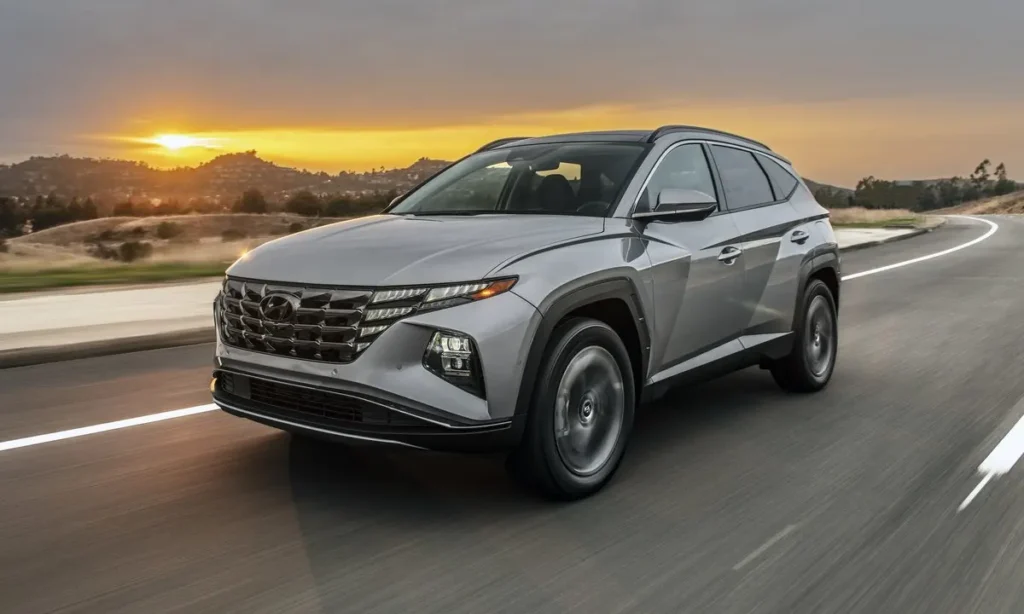
The Hyundai Tucson Hybrid’s 2026 specification represents the most compelling evidence that Toyota’s long-standing dominance of the mainstream hybrid SUV efficiency rankings is facing a challenge of genuine seriousness from South Korean engineering. The Tucson Hybrid achieves an EPA combined rating of 38 MPG — matching the RAV4 Hybrid’s headline figure while offering a cabin environment, technology integration and design language that many buyers in the segment find more contemporary and more immediately appealing than Toyota’s more conservative aesthetic approach.
Hyundai’s parallel hybrid system — distinct in architecture from Toyota’s power-split arrangement — pairs a 1.6-litre turbocharged four-cylinder engine with an integrated motor and a lithium-ion polymer battery to produce a combined output of 226 horsepower that gives the Tucson Hybrid a perceptible performance advantage over the naturally aspirated hybrid alternatives in the segment. The turbocharged engine’s torque availability at low engine speeds combines with the electric motor’s instant response to produce a driving character more engaging than the Atkinson-cycle hybrid systems that prioritise efficiency over driver involvement — a quality that makes the Tucson Hybrid the most natural recommendation for buyers who want hybrid economy without the driving dynamic compromise that the category’s efficiency leaders occasionally impose.
Kia Sportage Hybrid: Value Efficiency That Challenges the Establishment
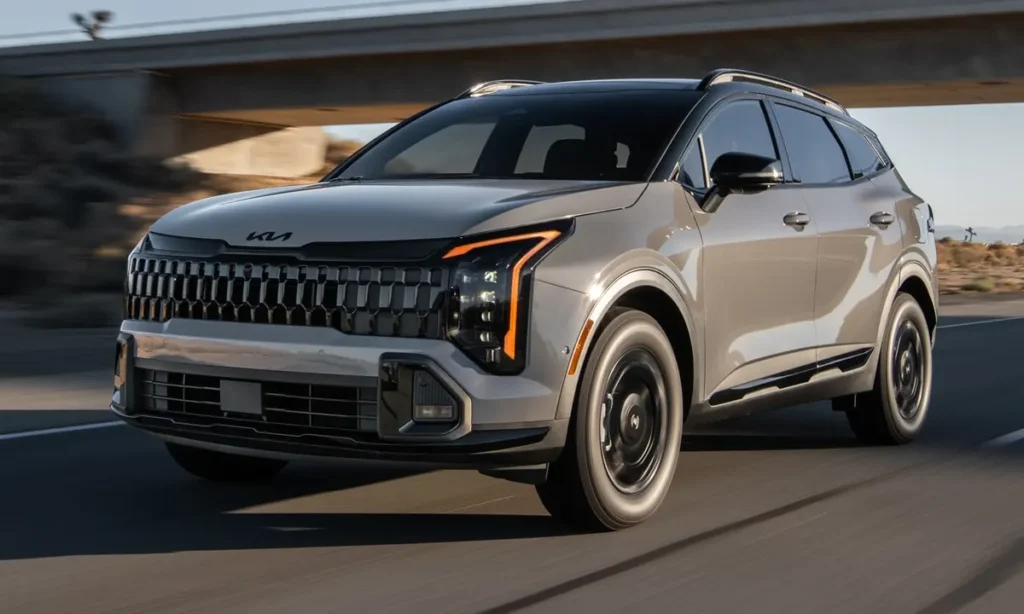
The Kia Sportage Hybrid demonstrates that the efficiencies of shared platform architecture across the Hyundai-Kia Group produce tangible benefits for buyers who prioritise value alongside fuel economy performance. The 2026 Sportage Hybrid achieves an EPA combined rating of 38 MPG using a powertrain architecturally related to the Tucson Hybrid’s system, in a vehicle whose exterior design, interior quality and standard equipment specification represent one of the most competitive value propositions in the entire hybrid SUV segment regardless of powertrain type.
The Sportage Hybrid’s PHEV variant — rated at a combined equivalent efficiency figure that makes it one of the most cost-effective electrified SUV options for buyers with access to home charging — extends the model’s efficiency case beyond the standard hybrid’s already strong position. For buyers whose priority is maximising fuel economy return on purchase price investment, the Sportage Hybrid’s combination of 38 MPG combined performance, comprehensive standard equipment and Kia’s reassuring warranty coverage produces a value argument that the more established Japanese alternatives find increasingly difficult to counter.
Lexus UX 250h: Luxury Efficiency at the Premium Tier
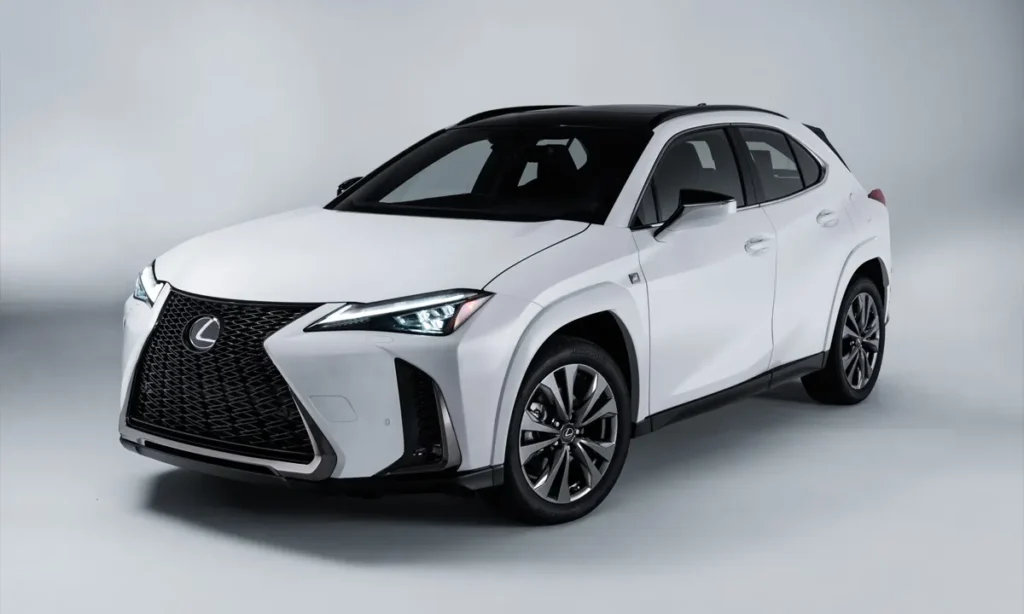
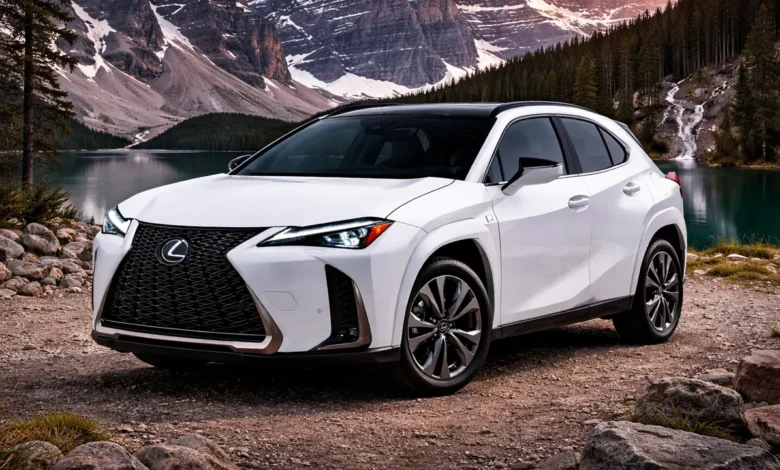
The Lexus UX 250h occupies a distinctive position in the 2026 hybrid SUV efficiency rankings because it achieves the highest combined EPA fuel economy rating of any non-plug-in hybrid SUV in its size class — an exceptional 41 MPG combined in front-wheel-drive specification — while simultaneously delivering the material quality, acoustic refinement and ownership experience that the Lexus brand’s luxury positioning demands. The UX 250h’s efficiency performance reflects the Lexus-specific calibration of Toyota’s fifth-generation hybrid system, optimised for a vehicle whose compact dimensions and relatively low kerb weight allow the powertrain’s efficiency potential to be expressed more fully than in larger, heavier SUV applications.
The UX 250h’s interior represents some of the finest cabin craftsmanship available in a hybrid vehicle at any price point — with genuine leather surfaces, precision-fit panel gaps and an acoustic environment that isolates occupants from road and wind noise with an effectiveness that mainstream hybrid SUVs cannot approach. For buyers whose budget extends to the premium tier and who prioritise the combination of efficiency leadership, luxury credentials and the long-term reliability assurance that Lexus ownership has consistently delivered across two decades of hybrid production experience, the UX 250h represents the most complete expression of what a high-mileage hybrid SUV can be.
Toyota RAV4 Prime: The PHEV That Leads the Extended Efficiency Conversation
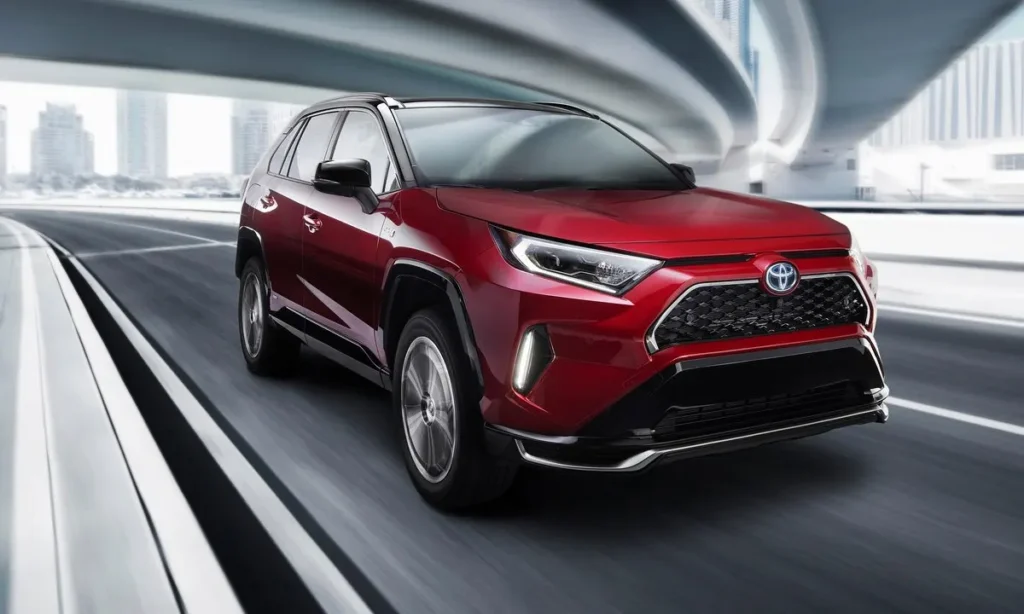
Any ranking of 2026 hybrid SUV fuel efficiency that excludes plug-in hybrid variants is incomplete, and the Toyota RAV4 Prime’s position at the convergence of the RAV4 platform’s proven reliability and an extended electric range capability makes it the most significant single model in the segment for buyers whose driving patterns allow regular home charging access. The RAV4 Prime achieves a conventional hybrid combined rating of 38 MPG and an EPA-rated electric-only range of approximately 42 miles — sufficient to cover the majority of daily commuting patterns on electricity alone before the conventional hybrid system assumes responsibility for longer distance driving without any range anxiety or planning requirement.
For buyers who charge regularly, the RAV4 Prime’s effective all-electric operation across weekday commuting combined with its hybrid efficiency across weekend and longer journey driving produces a real-world fuel economy figure that no conventional hybrid in the segment can approach. At a purchase price premium over the standard RAV4 Hybrid that the fuel savings justify across a typical five-year ownership period for buyers travelling more than 12,000 miles annually, the Prime variant represents the most financially compelling efficiency proposition in the entire 2026 midsize hybrid SUV segment.
Read: Hybrid vs Electric, Why Toyota Still Believes in a Multi-Path Strategy
2026 Hybrid SUV Fuel Economy Ranked at a Glance
| Model | EPA Combined MPG | EPA City MPG | EPA Highway MPG | Starting MSRP (US) |
| Lexus UX 250h | 41 MPG | 43 MPG | 40 MPG | ~$36,900 |
| Ford Escape Hybrid | 41 MPG | 44 MPG | 37 MPG | ~$31,995 |
| Toyota Venza | 40 MPG | 40 MPG | 37 MPG | ~$36,995 |
| Toyota RAV4 Hybrid | 38 MPG | 41 MPG | 38 MPG | ~$30,475 |
| Hyundai Tucson Hybrid | 38 MPG | 38 MPG | 38 MPG | ~$31,950 |
| Kia Sportage Hybrid | 38 MPG | 39 MPG | 35 MPG | ~$29,990 |
| Toyota RAV4 Prime (PHEV) | 38 MPG + 42mi EV | — | — | ~$43,690 |
The Mileage Figure That Changes the Purchase Calculation
Fuel economy is the specification that hybrid SUV buyers cite most frequently as their primary motivation — and the 2026 models ranked above deliver figures that make the financial case for hybrid ownership more compelling than at any previous point in the technology’s mainstream history. The difference between the 27 to 30 MPG combined figures typical of conventionally powered midsize SUVs and the 38 to 41 MPG figures delivered by the models in this review accumulates to fuel savings of 600 to 900 dollars annually at current pump prices across 15,000 miles of typical driving — savings that offset a significant proportion of the hybrid premium within the first two to three years of ownership and that continue delivering financial return across every subsequent year of the vehicle’s service life. The 2026 hybrid SUV segment has made the efficiency argument unanswerable. The only remaining question is which model makes it most convincingly for your family’s specific priorities.