SUVs With Lowest Maintenance Cost. Annual Repair Cost Data Ranked From Best to Worst
Reliability Data, Ten-Year Ownership Cost Analysis and Independent Workshop Evidence Identify the SUVs Whose Purchase Price Is Only the Beginning of a Financial Advantage That Compounds Across Every Year of Their Service Life
The total cost of SUV ownership is a calculation that the automotive industry’s marketing infrastructure is structurally incentivised to obscure. Manufacturer advertising communicates purchase price, monthly finance payment and occasionally fuel economy — the figures that convert browsers into buyers within the compressed timeframe of a dealership visit. What it does not communicate, because the data is neither flattering to high-margin European premium brands nor conducive to the rapid transaction cycle that dealership economics require, is the ten-year maintenance cost differential between the SUVs that cost the least to keep mechanically sound and the vehicles whose purchase price appeal conceals a decade of above-average workshop expenditure that quietly erodes every dollar of initial savings.
The organisations that produce this data independently — RepairPal, Consumer Reports, J.D. Power, iSeeCars and the vehicle reliability surveys conducted annually across tens of thousands of verified owner responses — tell a consistent and instructive story. Certain manufacturers have invested in powertrain engineering, component sourcing strategies and dealer network training that produce vehicles requiring less frequent unscheduled repair, less expensive parts when maintenance is required, and shorter workshop visit durations that reduce both labour cost and vehicle downtime. The SUVs that emerge from this data as the lowest maintenance cost options in the American market share characteristics that their purchase price figures alone would never reveal — and those characteristics are worth understanding before any seven or ten-year ownership commitment is made.
What Maintenance Cost Data Actually Measures
Annual maintenance cost figures published by independent automotive research organisations typically combine scheduled service expenditure — oil changes, filter replacements, tyre rotations, brake fluid flushes and the periodic component replacements that manufacturers specify in their service interval documentation — with unscheduled repair costs derived from workshop visit data and insurance claim records. RepairPal’s annual cost figures, which represent the most widely cited independent benchmark in the American market, reflect average annual expenditure across all repair and maintenance visits for a given model across its ownership population, providing a genuinely comparable cross-model data point that manufacturer-published service cost estimates do not.
The distinction between scheduled maintenance cost and unscheduled repair frequency is significant because the two figures tell different stories about a vehicle’s ownership economics. A low scheduled maintenance cost but high unscheduled repair frequency — the pattern associated with certain European premium models whose service intervals are long but whose component failure rates are elevated — produces a misleading headline figure that understates true ownership cost. The SUVs that genuinely lead the lowest maintenance cost rankings do so because both dimensions of the calculation favour the owner: scheduled service is inexpensive and infrequent, and unscheduled repairs are rare enough that their contribution to annual cost averages remains low.
Toyota RAV4: The Reliability Standard Against Which Every Competitor Is Measured
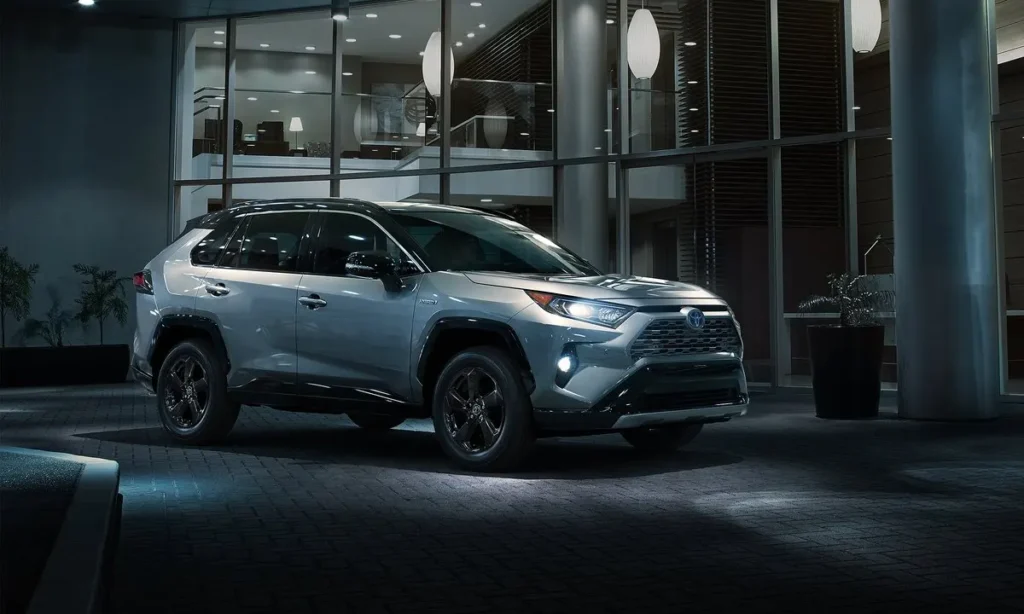
The Toyota RAV4’s position at or near the top of every independent maintenance cost ranking in the midsize SUV segment reflects an engineering philosophy and production quality standard that Toyota has maintained with remarkable consistency across successive model generations and across the full spectrum of its global manufacturing operations. RepairPal assigns the RAV4 an annual maintenance cost of approximately 429 dollars — a figure that sits meaningfully below the midsize SUV segment average of approximately 573 dollars and that reflects both the simplicity of the RAV4’s powertrain architecture and the maturity of Toyota’s manufacturing processes across the mechanical systems most likely to require unscheduled attention.
The RAV4’s reliability advantage extends beyond the powertrain to encompass the electrical systems, suspension components and body hardware whose failure rates in Toyota’s Consumer Reports reliability surveys consistently rank among the lowest in the segment. The practical consequence of this reliability profile for RAV4 owners is a vehicle that requires its scheduled service intervals to be observed but that rarely generates the unscheduled workshop visits — the failed sensors, the unexpected fluid leaks, the electronic module replacements — that transform a vehicle’s theoretical annual maintenance cost into a substantially higher real-world expenditure. Over a ten-year ownership period, the RAV4’s maintenance cost advantage over the segment average accumulates to savings of 1,400 dollars or more — a figure that makes its reliability credentials among its most financially significant ownership attributes.
Honda CR-V: Engineering Discipline That Produces Ownership Economics
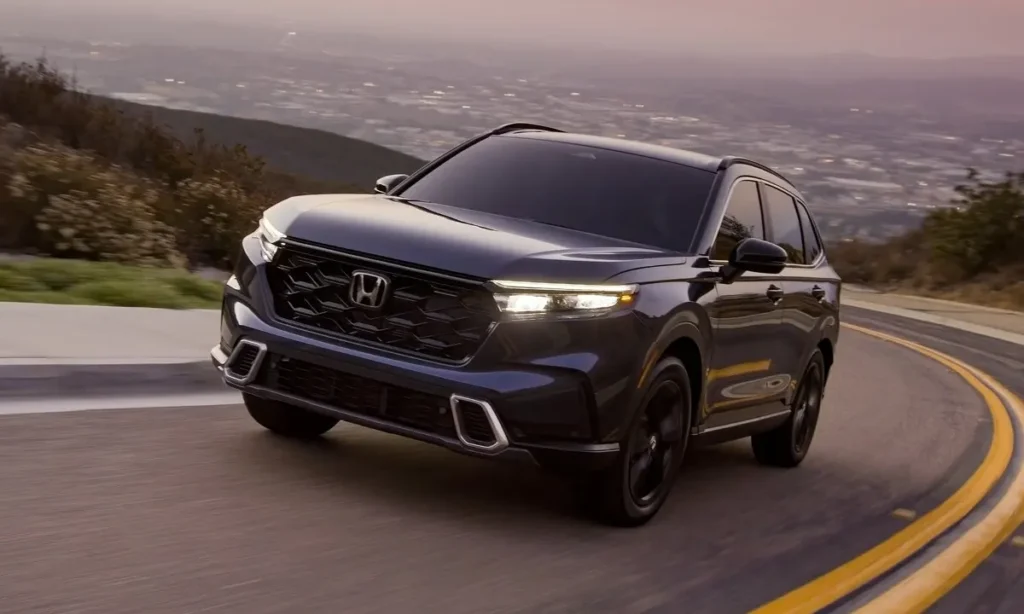
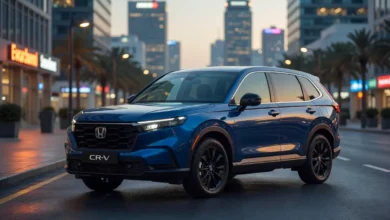
The Honda CR-V’s engineering approach — characterised by a commitment to mechanical simplicity, proven component architectures and conservative powertrain development cycles that prioritise long-term durability over headline specification — produces maintenance cost outcomes that consistently place it alongside the RAV4 at the top of the lowest ownership cost rankings in the compact and midsize SUV segment. RepairPal’s annual maintenance cost estimate for the CR-V of approximately 407 dollars represents one of the lowest figures in the entire SUV category, reflecting both Honda’s parts cost management and the low unscheduled repair frequency that its reliability survey performance demonstrates.
The CR-V Hybrid variant’s maintenance cost profile deserves specific acknowledgement because it challenges the assumption — still prevalent among buyers considering their first hybrid purchase — that electrified powertrains introduce meaningful maintenance complexity and cost beyond their conventional equivalents. Honda’s hybrid system, which uses a fundamentally different architecture from Toyota’s power-split arrangement, has demonstrated long-term reliability performance in the CR-V application that justifies the hybrid premium purely on efficiency savings without requiring buyers to discount their maintenance cost expectations to accommodate elevated electrical system repair frequency.
Mazda CX-5: European Driving Character, Japanese Ownership Economics
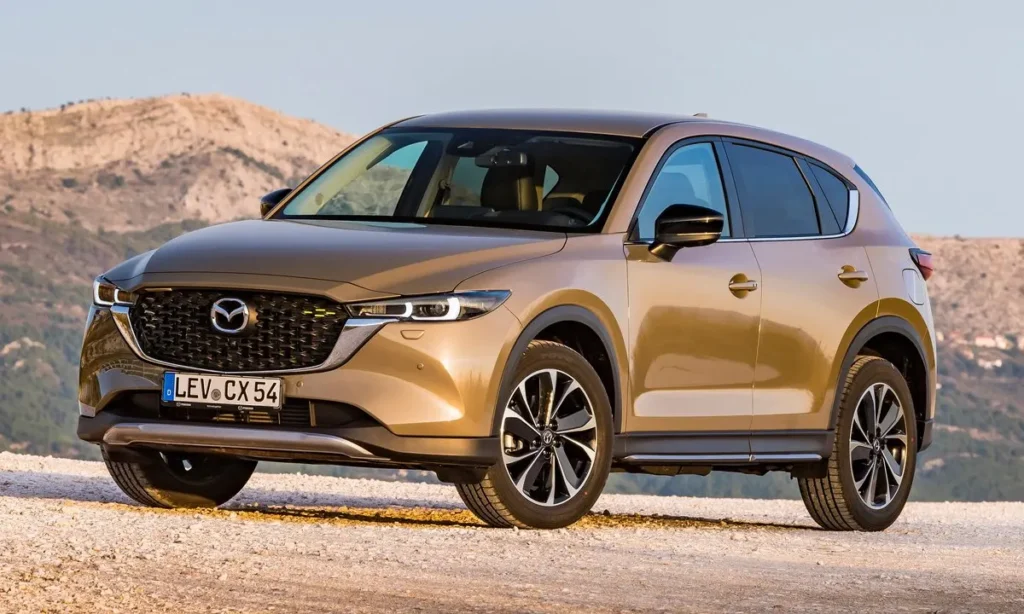
The Mazda CX-5 occupies a distinctive position in the lowest maintenance cost conversation because it delivers the driving engagement and interior quality that buyers typically associate with European premium brands — brands whose ownership economics are demonstrably less favourable — at a price point and with a maintenance cost profile that reflects its Japanese engineering heritage rather than the elevated parts costs and complex electronic architectures that define premium European SUV ownership. RepairPal estimates the CX-5’s annual maintenance cost at approximately 447 dollars, positioning it competitively within the lower tier of the segment alongside the Toyota and Honda benchmarks.
Mazda’s SkyActiv engine architecture — designed around maximising thermal efficiency and minimising internal friction to achieve fuel economy improvements through engineering rather than hybrid electrification — produces powertrains whose mechanical simplicity translates directly into maintenance cost advantages. Fewer ancillary components, wider service intervals and a parts cost structure that reflects Mazda’s mainstream rather than premium brand positioning combine to make the CX-5 the most financially rewarding choice available for buyers whose priority is the combination of driving quality and low running cost — a combination that the European premium brands that occupy a similar driving character position cannot approach on ownership economics.
Subaru Forester: All-Wheel Drive Standard Without All-Wheel Drive Running Cost Premium
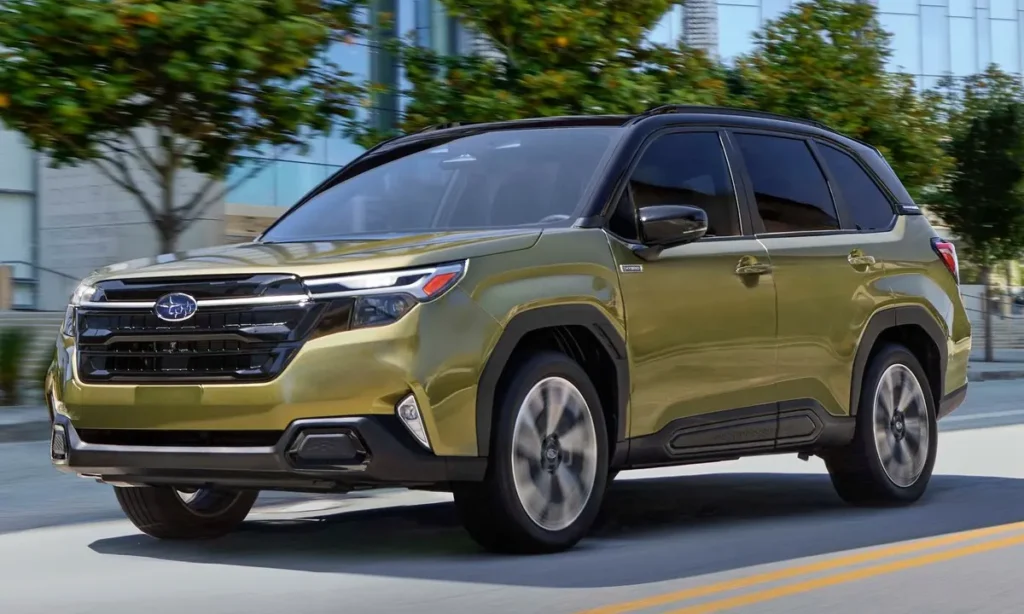
The Subaru Forester’s symmetrical all-wheel drive as standard equipment across the entire model range creates a value proposition in the lowest maintenance cost conversation that its headline annual figure does not fully capture. Every competitor that offers comparable all-wheel drive traction capability as an optional extra commands a purchase price premium for that option and introduces the additional drivetrain components — transfer cases, rear differentials, additional driveshafts — whose maintenance requirements add to the long-term ownership cost calculation. The Forester’s standard AWD means that its maintenance cost figure already incorporates the all-wheel drive drivetrain’s service requirements, making direct comparisons with front-wheel-drive rivals more nuanced than the raw annual figure suggests.
RepairPal’s annual maintenance cost estimate for the Forester of approximately 632 dollars sits above the Toyota and Honda benchmarks but remains competitive against the broader midsize SUV segment average, particularly when the all-wheel drive standard equipment is weighted into the comparison. Subaru’s EyeSight driver assistance system’s camera-based architecture — avoiding the radar sensor technologies that generate disproportionate repair costs following even minor frontal impacts in competitor vehicles — provides an additional low-cost advantage that the annual maintenance figure does not isolate but that real-world ownership experience consistently validates.
Kia Sportage: Value Purchase Price Sustained by Value Running Costs
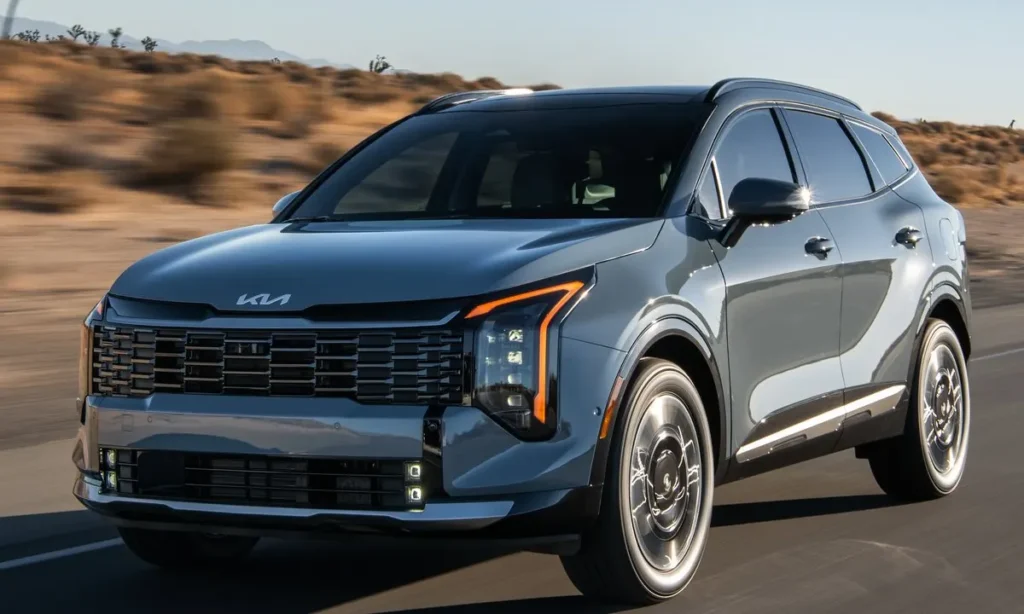
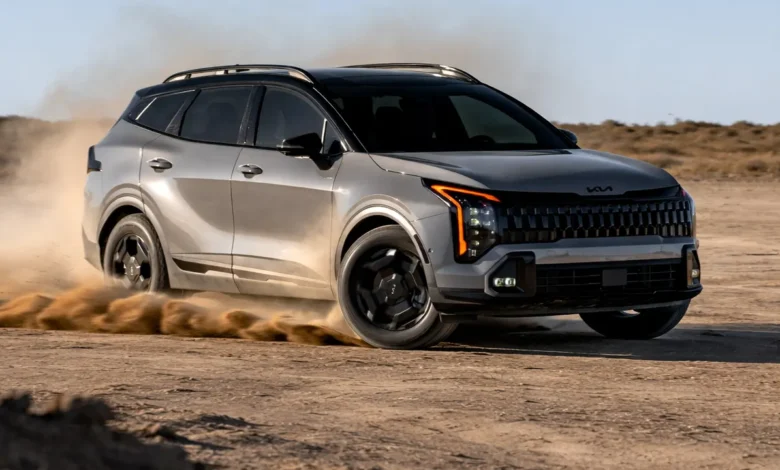
The Kia Sportage’s emergence as a genuine quality competitor in the compact midsize SUV segment has been accompanied by reliability improvement data that now supports a maintenance cost profile competitive with the established Japanese benchmarks — a development that Kia’s expanded warranty coverage, extended to ten years on powertrain components in the American market, both reflects and reinforces. RepairPal estimates annual Sportage maintenance costs at approximately 462 dollars, positioning it favourably within the segment and within the range that makes the vehicle’s value purchase price a sustainable long-term financial proposition rather than a short-term saving that elevated running costs subsequently erode.
Kia’s parts cost structure — reflecting a mainstream brand positioning that keeps components priced below the premium and near-premium competitors whose dealer network economics support elevated parts margins — contributes meaningfully to the Sportage’s maintenance cost advantage over the European alternatives in the segment. The ten-year powertrain warranty’s practical effect on ownership confidence translates into a measurable residual value benefit that reduces the effective cost of ownership across the full vehicle life cycle beyond the direct maintenance expenditure that annual cost figures capture.
Toyota Highlander: Three-Row Practicality Without Three-Row Running Cost Penalties
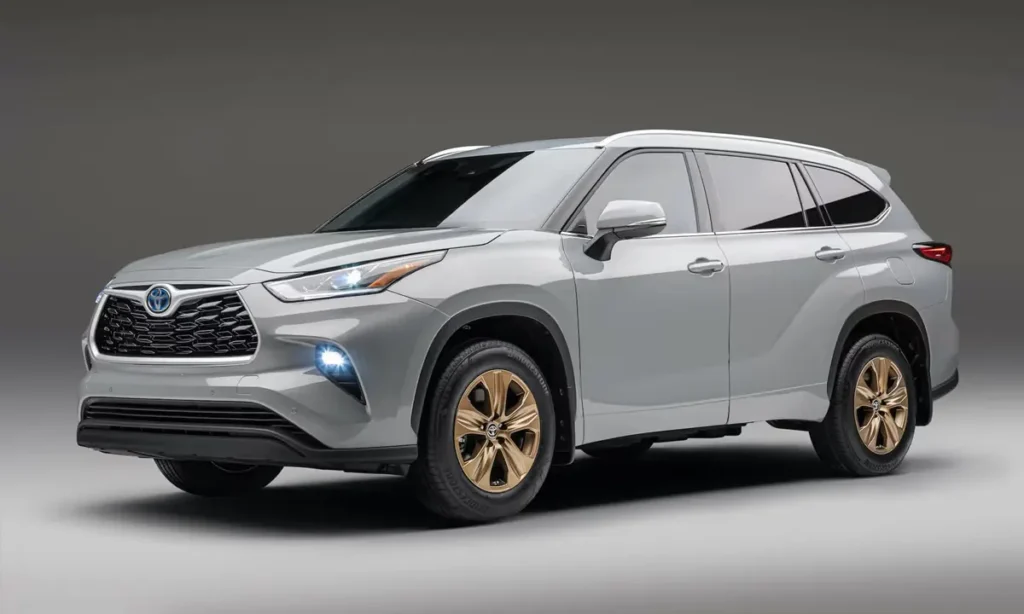
The Toyota Highlander extends the RAV4’s ownership economics into the three-row family SUV segment, delivering maintenance cost performance that its size and passenger capacity would not predict if the benchmark were established by the full-size body-on-frame alternatives that it replaces in many family driveways. RepairPal’s annual maintenance cost estimate of approximately 489 dollars for the Highlander positions it as the lowest maintenance cost three-row midsize SUV in the American market — a category where the additional mechanical complexity of larger powertrains, more extensive drivetrain systems and heavier body structures typically produces elevated workshop expenditure relative to two-row alternatives.
The Highlander Hybrid’s maintenance cost profile benefits from the same regenerative braking system that improves fuel economy — reducing brake pad and rotor wear rates that represent one of the most significant consumable maintenance cost factors in conventional SUVs driven in urban stop-and-go conditions. For families whose priority is minimising the total ten-year cost of owning a genuinely capable seven-passenger SUV, the Highlander Hybrid’s combination of hybrid fuel savings and reduced consumable replacement frequency produces an ownership economics case that no three-row non-hybrid alternative in the segment can match.
Read: 2026 Most Reliable Compact SUVs Under $30K. Ranked By Real Data
Annual Maintenance Cost Comparison At a Glance
| Model | Est. Annual Maintenance Cost | Segment | Reliability Rating |
| Honda CR-V | ~$407 | Compact Midsize | Excellent |
| Toyota RAV4 | ~$429 | Compact Midsize | Excellent |
| Mazda CX-5 | ~$447 | Compact Midsize | Very Good |
| Kia Sportage | ~$462 | Compact Midsize | Very Good |
| Toyota Highlander | ~$489 | Three-Row Midsize | Excellent |
| Subaru Forester | ~$632 | Compact Midsize (AWD Std.) | Good |
| Segment Average | ~$573 | Midsize SUV | — |
The Ownership Cost Calculation That Changes the Purchase Decision
The SUVs that lead the lowest maintenance cost rankings share a set of characteristics that their purchase price figures do not communicate and that their marketing campaigns rarely emphasise — proven powertrain architectures developed through conservative engineering cycles, parts cost structures reflecting mainstream rather than premium brand positioning, manufacturing quality standards that reduce unscheduled repair frequency, and dealer network training investments that ensure correct first-time diagnosis and repair. These characteristics produce financial advantages that compound across every year of ownership, transforming a vehicle whose sticker price may be modest or competitive into a genuinely exceptional long-term value proposition whose true cost advantage only becomes fully visible at the five and ten-year ownership horizons where the maintenance cost differential has had sufficient time to accumulate into the thousands of dollars that distinguish the best ownership decisions from the merely adequate ones.