2027 Mercedes-Benz GLS Review: Mercedes-Benz Is Redesigning Its Flagship SUV
A Complete Redesign, New Powertrain Architecture, Next-Generation MBUX Hyperscreen Integration and a Positioning Statement That Reaffirms the GLS as the Standard Against Which Every Full-Size Luxury SUV in the World Is Measured — This Is What the 2027 Mercedes-Benz GLS Is Expected to Deliver
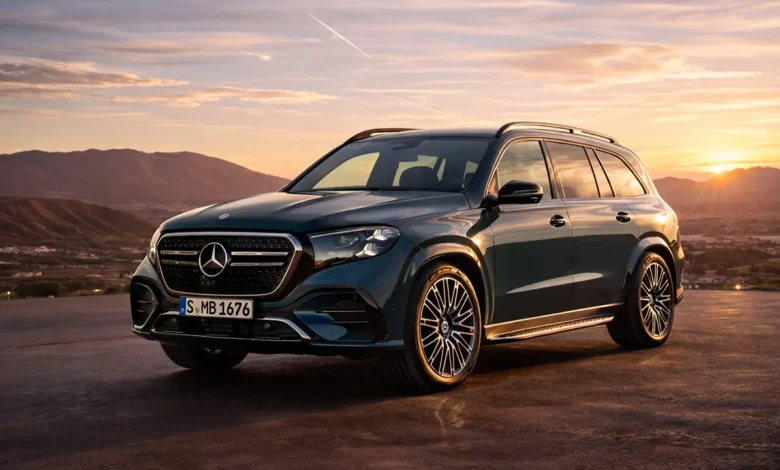
There are vehicles in the luxury automotive hierarchy whose significance extends beyond their commercial performance — vehicles whose generational transitions are watched by competitors, anticipated by buyers and analysed by the automotive press with an attention that reflects the model’s position as a category-defining standard rather than simply a successful product in a competitive segment. The Mercedes-Benz GLS is one of those vehicles. As the brand’s flagship SUV — the model that sits at the apex of the Mercedes-Benz passenger vehicle range above the GLE, above the GLC and above every other SUV in a lineup that spans more body styles and powertrain configurations than any other luxury manufacturer currently offers — the GLS’s generational redesign carries implications for the full-size luxury SUV segment that reach considerably further than its own sales figures.
Gallery: 2027 Mercedes-Benz GLS
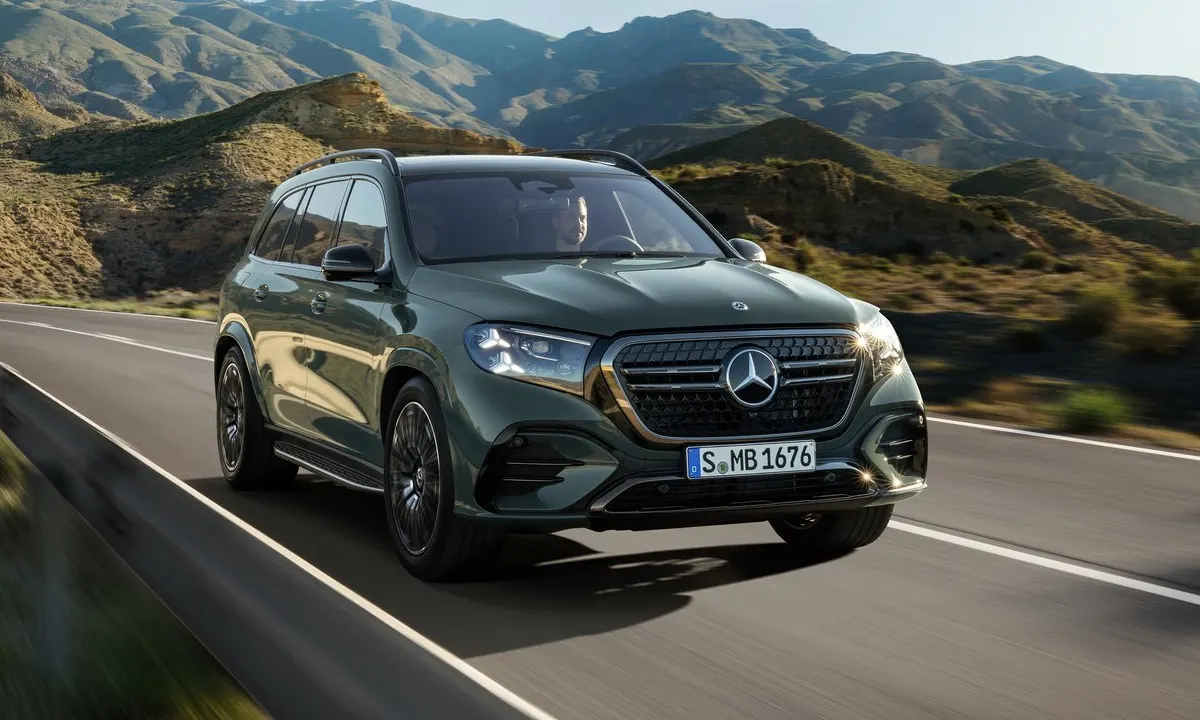
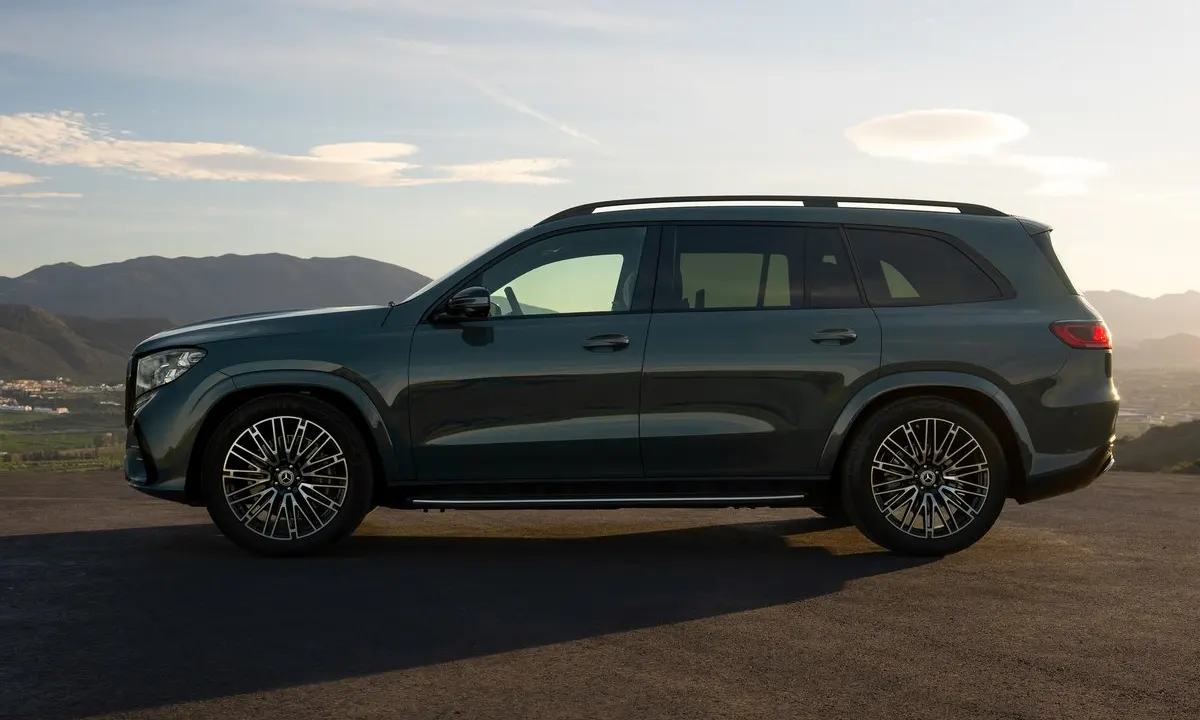
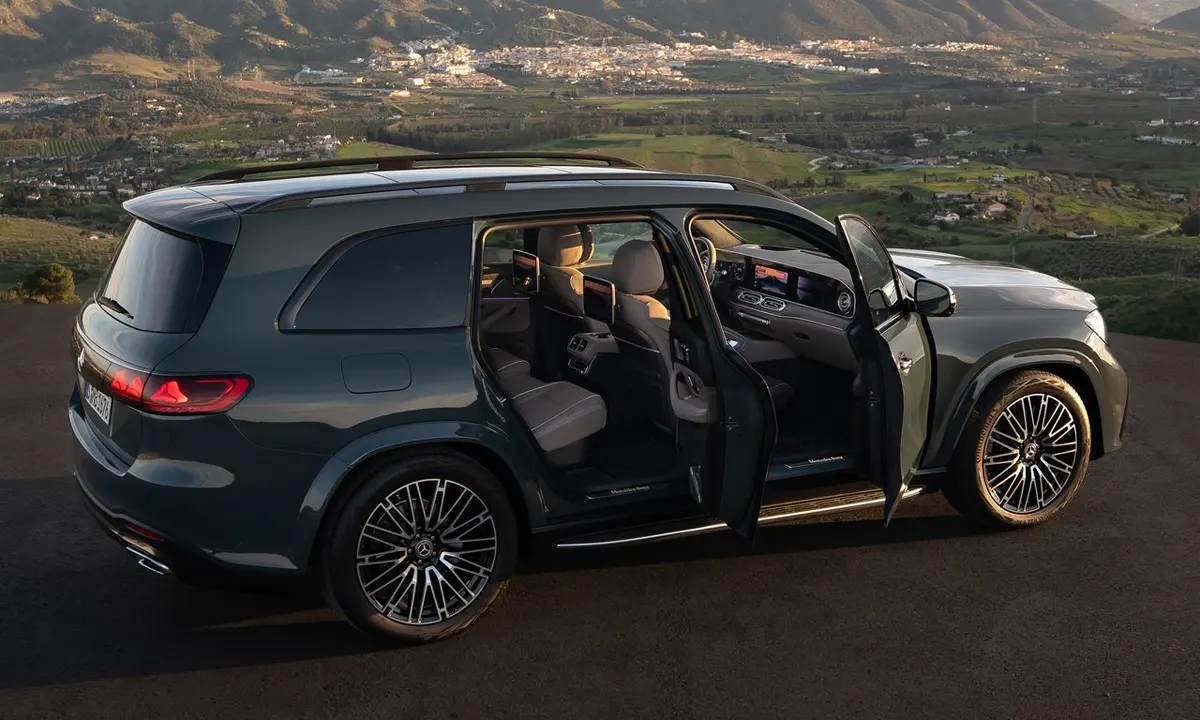
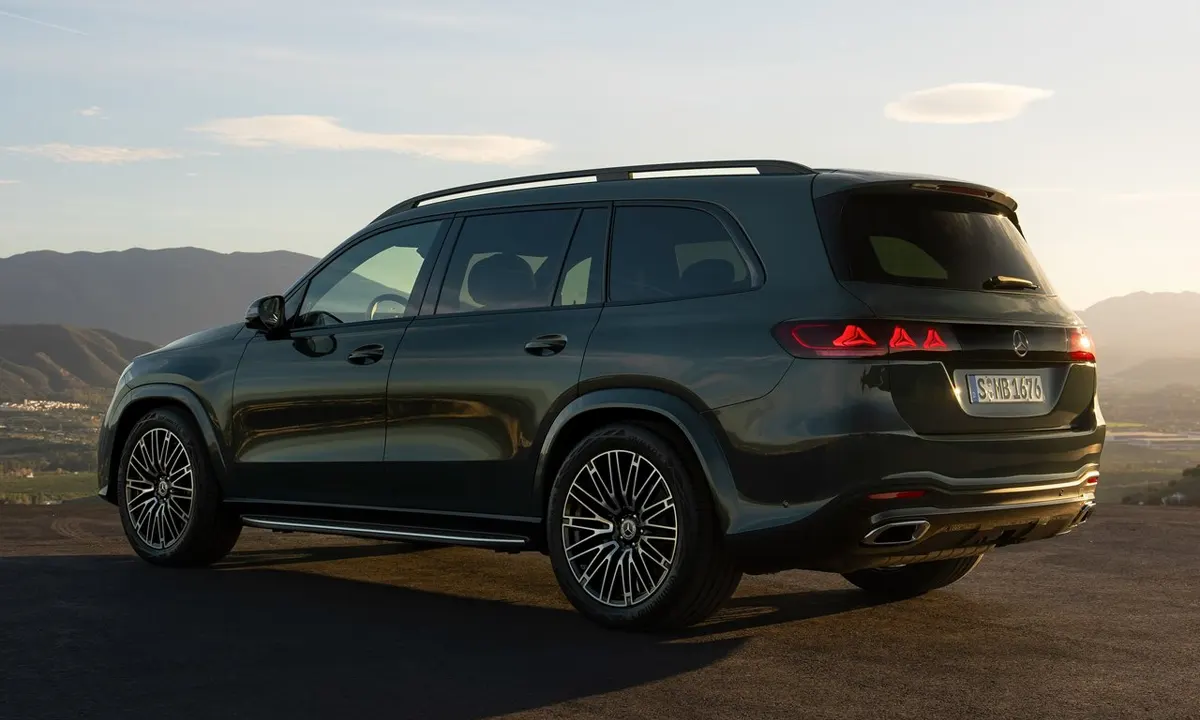
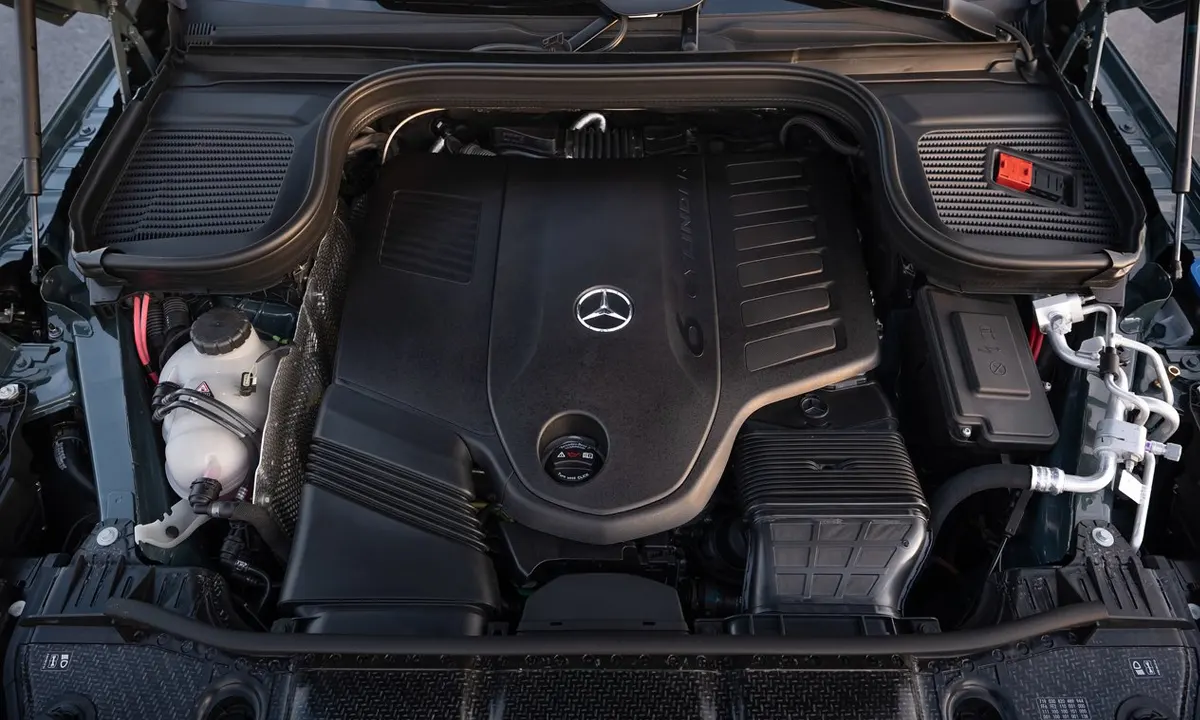
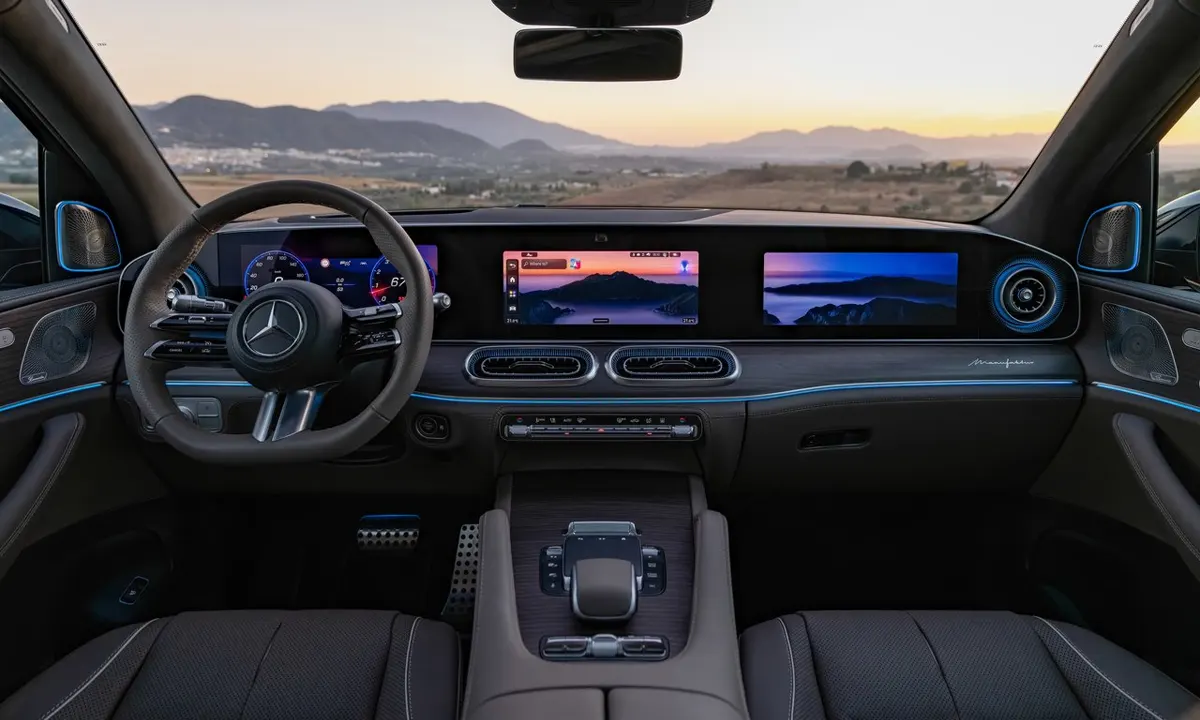
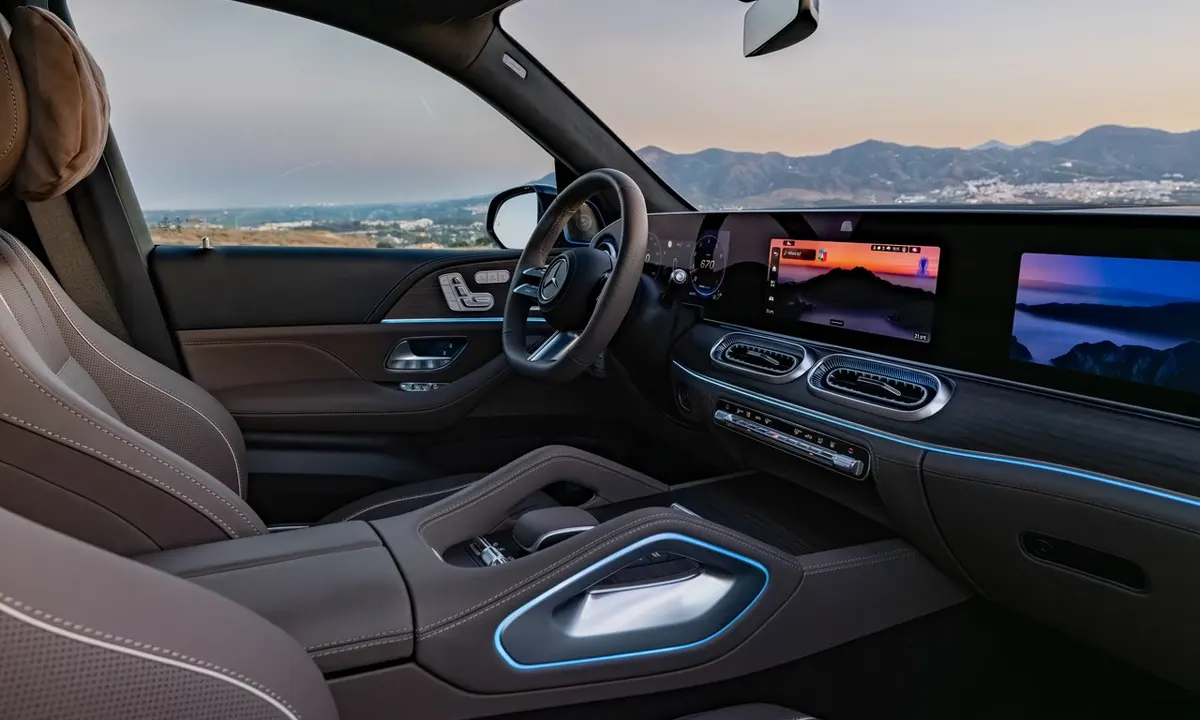
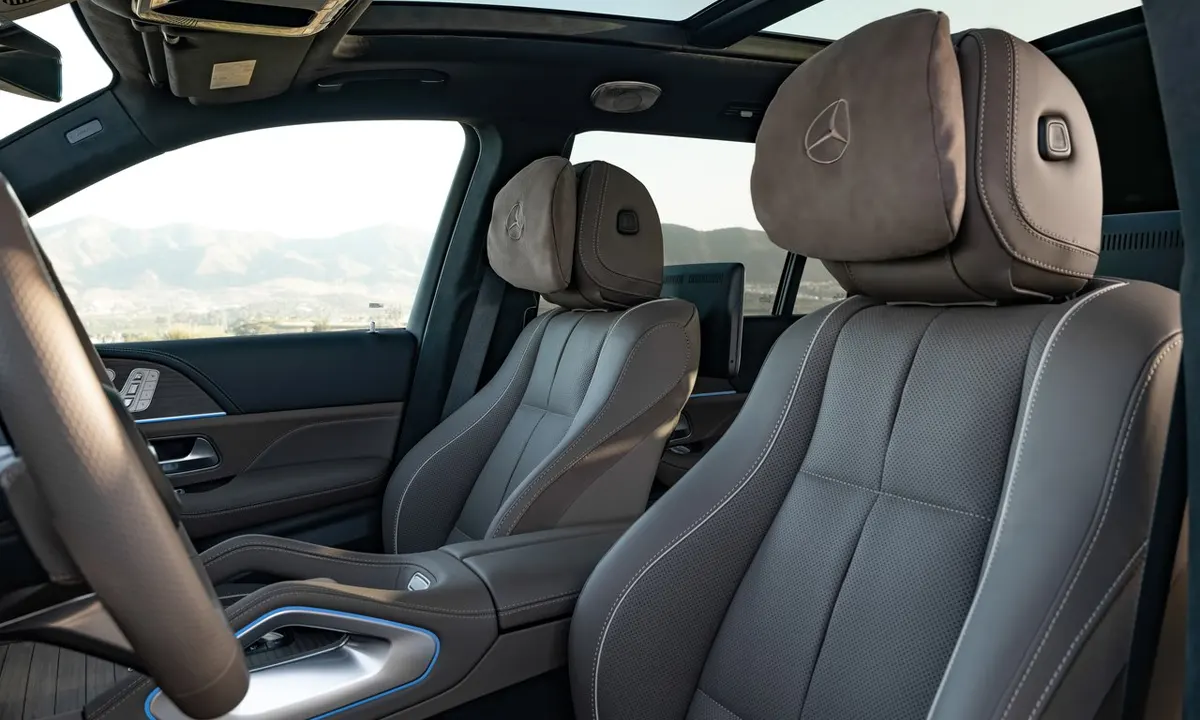
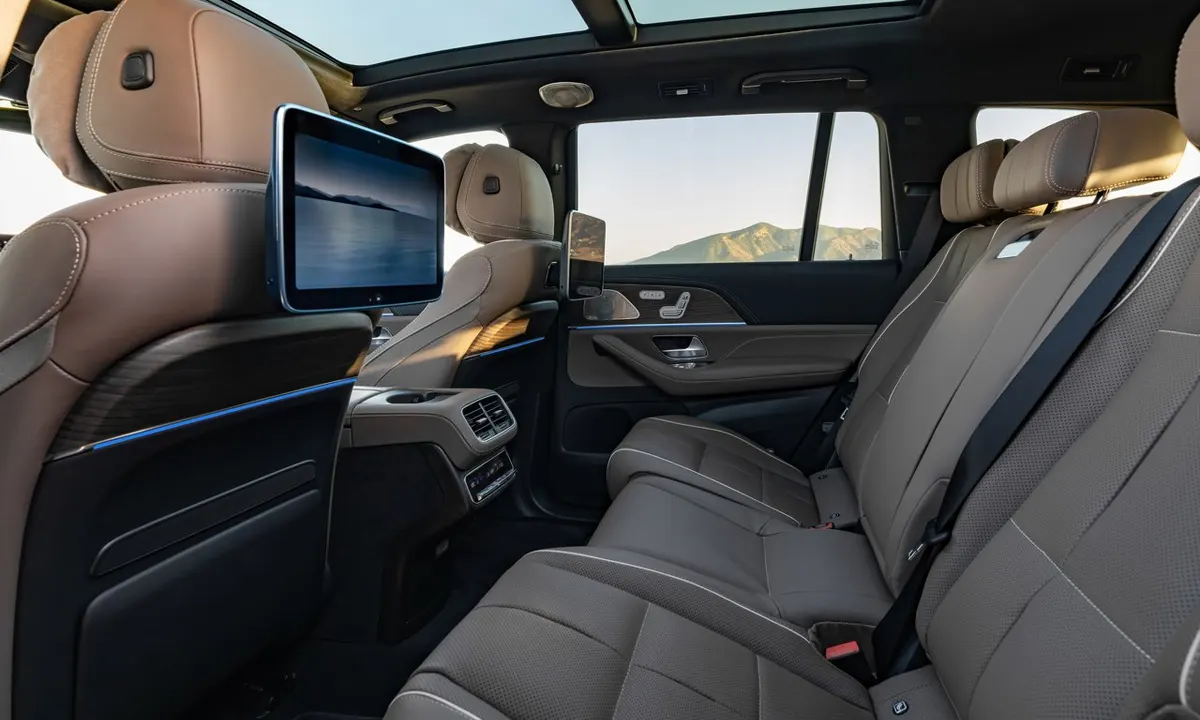
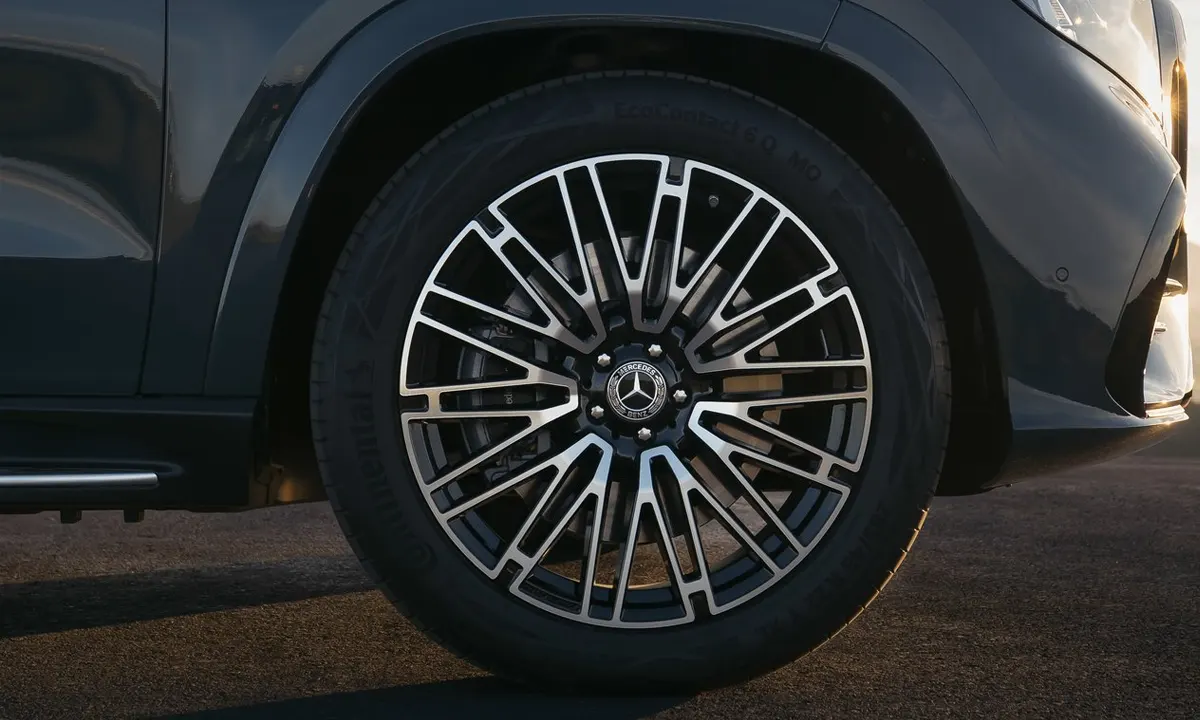
The 2027 Mercedes-Benz GLS is expected to represent the most comprehensive redesign the model has undergone since the transition from the GL-Class naming convention to the GLS designation in 2016 — a full-generation change that encompasses exterior design, interior architecture, powertrain strategy, technology integration and the fundamental positioning statement that the vehicle makes about Mercedes-Benz’s ambitions in the segment it has occupied since the original GL-Class arrived in 2006. What follows is the most complete account of what is currently known, credibly reported and reasonably anticipated about a vehicle whose official reveal has not yet occurred but whose development programme has generated sufficient reliable information to form a substantive picture of what 2027 GLS ownership will represent.
Why the 2027 Redesign Matters Beyond the Model Cycle
The current GLS generation — the X167 platform introduced for the 2020 model year and updated through a significant mid-cycle refresh for 2024 — has been a commercial and critical success whose sales performance in the American market, where the full-size luxury SUV buyer is most concentrated and most financially significant, has consistently placed it among the segment’s volume leaders alongside the BMW X7 and the Cadillac Escalade. Its combination of three-row accommodation, powertrain breadth from the inline-six mild hybrid to the AMG GLS 63’s twin-turbocharged V8, and an MBUX infotainment system whose ambition exceeded any competitor’s equivalent at the time of its introduction established the GLS as the reference against which the segment’s direction of travel has been calibrated.
The 2027 redesign arrives at a moment of extraordinary competitive pressure. The BMW X7 has undergone its own LCI update. The Cadillac Escalade IQ has introduced a pure electric full-size luxury SUV proposition. The Land Rover Range Rover continues its own electrification journey. The Lexus LX has been thoroughly modernised. Mercedes-Benz must not merely respond to these competitive developments but articulate a vision for what the full-size luxury SUV should be in the second half of the decade — a vision that the 2027 GLS will be required to express with the conviction and completeness that the brand’s flagship positioning demands.
Exterior Design: Evolution With Architectural Purpose
The 2027 GLS exterior design language is expected to reflect the direction established by Mercedes-Benz’s most recent design output — the CLA concept, the updated E-Class and the EQS SUV’s progressive aesthetic — applied to the GLS’s commanding proportions with the restraint and permanence that the luxury SUV buyer expects from a vehicle whose design must remain visually contemporary across a seven to eight year production cycle. Camouflaged development prototypes observed during testing in northern European winter conditions and in American desert environments suggest a design evolution rather than a revolution — retaining the GLS’s broad-shouldered, upright presence while refining the surfacing, the lighting architecture and the front fascia treatment to align with Mercedes-Benz’s current design family.
The lighting signature is expected to adopt the full-width LED treatment that the updated E-Class and S-Class introduced — connecting the headlight and tail light clusters with illuminated graphic elements that provide visual continuity and reinforce the vehicle’s width at both ends. The front grille treatment is anticipated to grow in visual prominence while accommodating the active aerodynamic elements and cooling management requirements of the new powertrain architecture beneath it. Overall dimensions are expected to remain broadly consistent with the current generation — the GLS’s footprint is already optimised for American parking structures and domestic garage dimensions, and meaningful growth in exterior size would produce practical penalties that the market does not reward.
Interior and Technology: The MBUX Hyperscreen Generation Arrives in Full
If the 2027 GLS’s exterior represents a confident evolution of the current generation’s visual language, its interior is expected to represent a more transformative departure — introducing the next generation of the MBUX Hyperscreen architecture that Mercedes-Benz has deployed in the EQS and EQE electric vehicles as a technology demonstration and that the 2027 GLS will translate into the brand’s flagship combustion and hybrid SUV for the first time. The full-width curved display assembly — encompassing the driver’s instrument cluster, the central infotainment display and the front passenger screen in a single flowing glass surface — is anticipated to arrive in the GLS with refinements that address the first-generation Hyperscreen’s processing speed and interface complexity criticisms while retaining the visual drama and technological ambition that made it the most striking interior architecture in the luxury segment at its introduction.
The third row — consistently the GLS’s most significant competitive advantage over European luxury SUV rivals whose three-row packaging compromises rear accommodation more severely — is expected to receive meaningful attention in the 2027 redesign, with improved seat cushion depth, enhanced climate control integration and expanded USB-C charging provision reflecting the growing expectation that even third-row passengers in flagship luxury SUVs should experience accommodation whose quality approaches that of the forward rows. The available Executive Rear Seat Package equivalent for the 2027 generation is anticipated to extend reclining, massage and ventilation functions further rearward than the current generation provides — a development that responds to the competitive pressure from the Rolls-Royce Cullinan and Bentley Bentayga’s rear passenger focus.
Powertrain Strategy: Electrification Deepens Without Abandoning Combustion
The 2027 GLS powertrain strategy reflects Mercedes-Benz’s current corporate position on electrification — a commitment to expanding plug-in hybrid and electric options while maintaining the combustion and mild hybrid alternatives that the full-size luxury SUV segment’s global buyer base continues to require in meaningful volume. The anticipated powertrain lineup spans four configurations whose breadth reflects the GLS’s position as a vehicle that must satisfy buyers across markets with fundamentally different infrastructure, regulatory and preference environments.
The entry powertrain is expected to be a turbocharged inline-six cylinder engine with 48-volt mild hybrid assistance — an evolution of the current M256 unit with enhanced thermal efficiency and refined integration of the integrated starter-generator system that provides both performance and efficiency benefits across the driving cycle. Above this, a plug-in hybrid configuration combining the inline-six with a more capable electric motor and a substantially enlarged battery pack — targeting an electric-only range approaching 50 miles to satisfy the European regulatory environment and the American buyer seeking daily electric commuting capability in a full-size SUV — is anticipated as the GLS 580e or equivalent designation. The AMG GLS 63 performance variant is expected to retain its twin-turbocharged V8 architecture with enhanced mild hybrid integration that improves both efficiency and low-speed torque delivery without compromising the combustion character that AMG buyers specifically seek.
A pure electric GLS variant — potentially designated the GLS EQ or integrated into the EQ naming architecture — remains subject to confirmation but reflects the competitive pressure created by the Cadillac Escalade IQ’s market entry and the broader luxury segment’s electrification trajectory. Mercedes-Benz’s AMG.EA electric vehicle platform, developed for performance electric applications across multiple body styles, provides the technical foundation that a high-performance electric GLS would require — and the 2027 model year timing aligns with the platform’s anticipated readiness for production deployment.
AMG GLS 63: The Performance Flagship That Sets the Benchmark
The AMG GLS 63 variant of the 2027 generation is expected to raise the performance specification of the current model’s 603 horsepower, 627 pound-feet twin-turbocharged 4.0-litre V8 application through enhanced mild hybrid integration and revised engine calibration — producing a combined system output anticipated in the region of 650 to 680 horsepower that maintains the AMG GLS 63’s position as the most powerful standard production full-size luxury SUV available in the American market. The AMG-specific air suspension calibration, the active rear-axle steering system and the AMG Dynamics torque vectoring architecture that made the current GLS 63 one of the most dynamically capable large luxury SUVs ever produced are expected to carry forward with refinements that address the few dynamic shortcomings that first-drive assessments of the current generation identified.
The AMG GLS 63’s EQ Boost mild hybrid system enhancement in the 2027 application is anticipated to provide a more extended and more seamlessly integrated electric assistance window than the current generation’s system — delivering the instantaneous torque fill that eliminates turbocharger lag perception during hard acceleration while simultaneously contributing to a fuel economy improvement that reduces the performance variant’s running cost penalty relative to the standard powertrain GLS models.
Competitive Positioning: The Standard the Segment Must Answer
The 2027 Mercedes-Benz GLS arrives in a segment whose competitive landscape has been more thoroughly transformed across the preceding five years than at any previous point in the full-size luxury SUV’s history. Against the BMW X7’s LCI-updated kidney grille design and straight-six powertrain family, the GLS must reassert its technology and interior quality leadership. Against the Cadillac Escalade IQ’s pure electric proposition and its extraordinary 55-inch diagonal curved OLED display, the GLS must demonstrate that its technology integration philosophy produces a more cohesive and more satisfying daily ownership experience than the dramatic but occasionally overwrought American alternative. Against the Range Rover’s unmatched combination of off-road capability and interior design distinction, the GLS must continue offering the more complete all-round package that its broader powertrain availability and more extensive dealer network support.
Read: Rolls-Royce Cullinan Series II vs Mercedes-Maybach GLS 600, The Ultimate Ultra-Luxury SUV Comparison
2027 Mercedes-Benz GLS Anticipated Specifications
| Category | Expected Specification |
| Platform | Updated MHA (Modular High Architecture) |
| Body Style | Full-Size Three-Row Luxury SUV |
| Seating Capacity | Six or Seven Passengers |
| Base Powertrain | Turbocharged Inline-Six + 48V MHEV |
| PHEV Powertrain | Inline-Six + Electric Motor (~50 Mile EV Range) |
| AMG V8 Output | ~650–680 hp (Est.) Combined |
| EV Variant | GLS EQ (To Be Confirmed) |
| Transmission | 9-Speed Automatic (All Variants) |
| Drivetrain | 4MATIC All-Wheel Drive (Standard) |
| Suspension | Active Air Suspension (Standard) |
| Infotainment | MBUX Hyperscreen (Next Generation) |
| Expected Reveal | Late 2026 |
| On-Sale Date | 2027 Model Year |
| Est. Starting MSRP (US) | ~$100,000 |
| Est. AMG GLS 63 MSRP | ~$175,000+ |
| Assembly | Tuscaloosa, Alabama, USA |
The Vehicle That Defines What a Flagship SUV Must Be
The 2027 Mercedes-Benz GLS carries a weight of expectation that no other SUV in the luxury segment is required to bear in quite the same way — because it is the vehicle against which the segment’s ambitions have been measured since the GL-Class first established that a three-row luxury SUV could deliver S-Class levels of interior quality and technology without the compromises in passenger accommodation or refinement that the format’s packaging challenges would seem to impose. The 2027 generation must not only meet those expectations but extend them into a competitive landscape that has raised its ambitions substantially across the preceding generation cycle. Every indication from the development programme, the competitive context and Mercedes-Benz’s current design and technology trajectory suggests that the vehicle arriving in showrooms during 2027 will do precisely that.