Fastest Charging Electric Cars: Remember when the only question about EVs was “can it get me there?” Those days are over. In 2026, range has grown so much that the new battleground is how fast you can recover it. And the leaders are genuinely astonishing.
The best fast-charging EVs of 2026 can add hundreds of miles of range in well under half an hour, some in less than 20 minutes from 10 to 80 percent. That transforms everything. A car that can consistently do 10 to 80 percent in around 18 to 24 minutes turns a long day of driving into two quick coffee stops instead of three long lunches. The charging stop is no longer a chore. It is a bathroom break.
But here is the catch, and it is a big one: the number on the brochure lies to you. Carmakers love to brag about a big peak charging figure, but that does not tell you how fast the car really is. So let me show you which EVs actually charge fastest in the USA, what makes them so quick, and how to hit those numbers yourself. Because the difference between the fastest and the merely good can save you a full hour on a road trip day.
What Actually Makes an EV Charge Fast
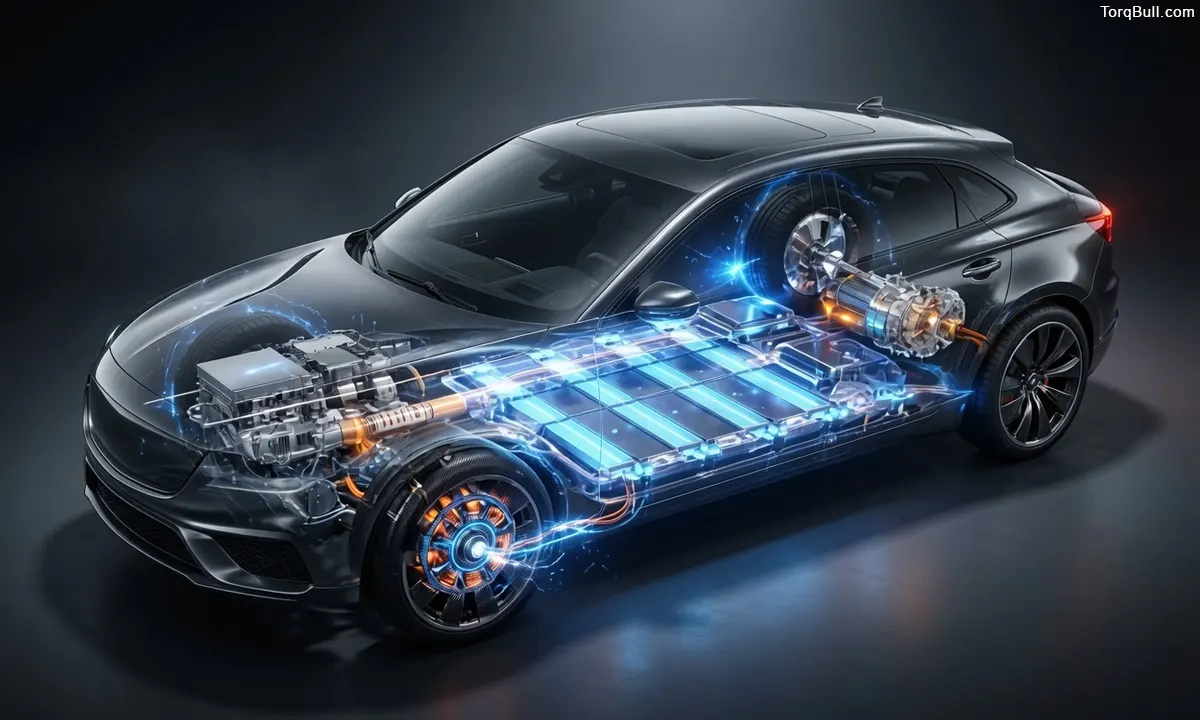
Before the rankings, understand the three things that matter, because peak kilowatts is the least important of them. The foundation is electrical architecture. Vehicles with 800-volt architecture can handle much higher power than 400-volt systems, drastically reducing charging times. A handful now run even higher. Lucid operates at over 900 volts, the highest system voltage of any production road car.
The second factor is the shape of the charging curve, which matters more than the peak. The Porsche Taycan is the poster child here. Its strength lies not only in peak power but in its extraordinarily flat charging curve, maintaining power levels close to maximum for most of the process rather than dropping rapidly like many competitors. A car that holds high power longer beats a car with a higher peak that immediately tapers.
The third is efficiency, the secret weapon. Lucid’s exceptional drivetrain efficiency means every charging minute adds more usable range than most competitors at the same power level. A super-efficient EV charging at 300 kW can out-road-trip a thirsty one pulling 400 kW, because each electron travels farther. Keep those three ideas in mind, and the rankings make sense.
The Efficiency Kings: Lucid Air and Gravity
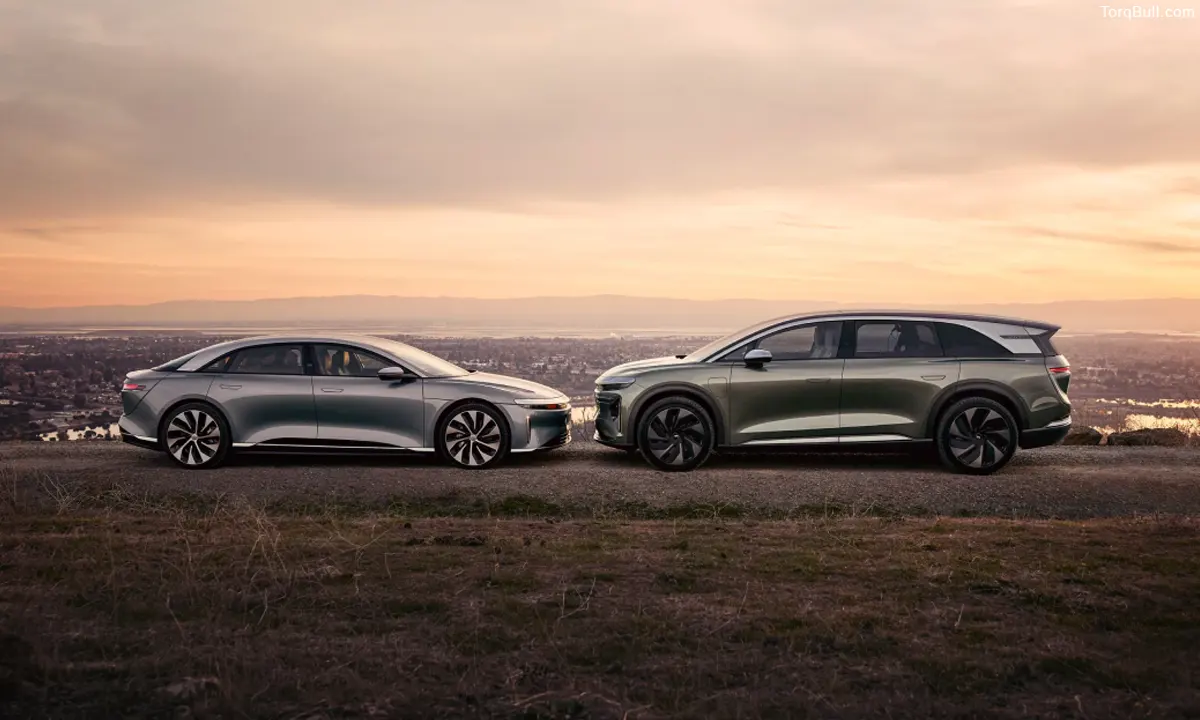
If your goal is the fewest possible stops on a long trip, Lucid is the answer, and it wins through brilliant efficiency rather than raw peak power. The Lucid Air charges at a peak of 300 kW, adding 200 miles of range in just 12 minutes, and independent testing clocks it adding 100 miles in around 8 minutes, while delivering the longest real-world range of any car in its class. Fewer stops, shorter stops. That is the dream combination.
The new SUV takes it further on raw power. The Lucid Gravity rides on a version of the same 900-volt platform and is good for a charging peak of 400 kW, enough to bring its 123 kWh battery from 10 to 80 percent in 23 minutes, with a 450-mile range. For road trippers who hate stopping, Lucid is the benchmark.
The Sustained-Power Champ: Porsche Taycan and Friends
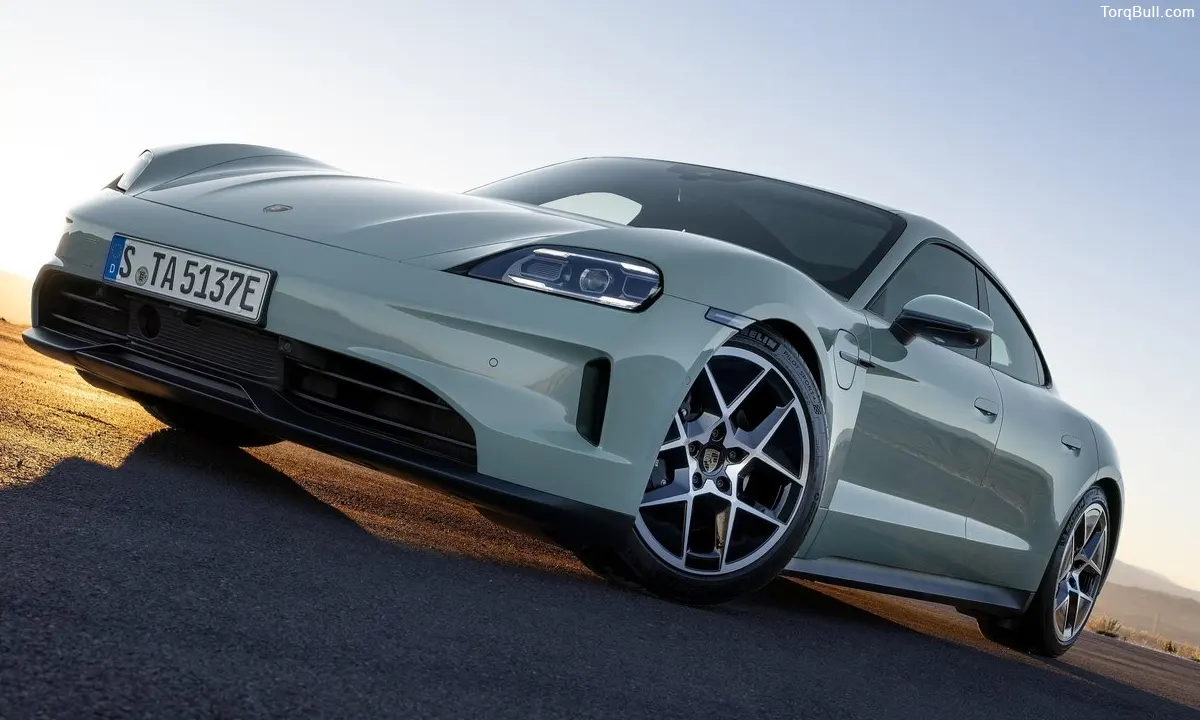
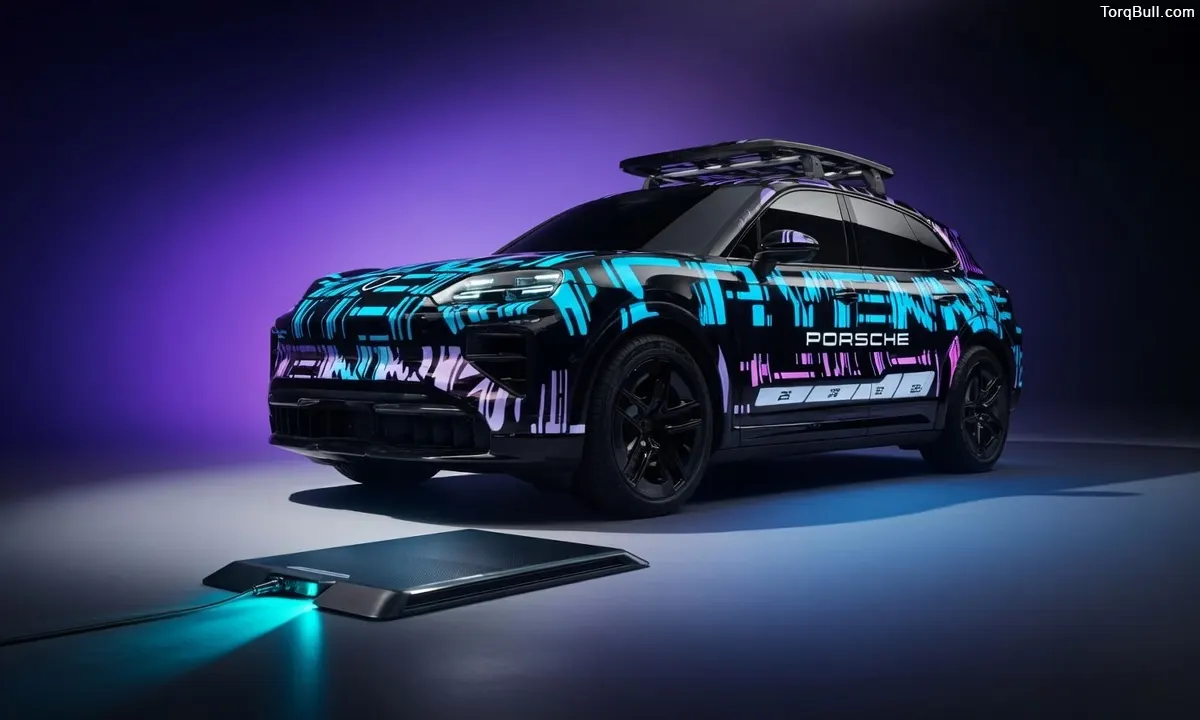
For the most consistent real-world charging, the refreshed Porsche Taycan is the gold standard, and the reason is that flat curve. Its peak reaches 320 kW with a real-world average of 223 kW, the highest sustained average of any independently tested vehicle, completing 10 to 80 percent in under 20 minutes while holding strong power until 50 percent state of charge before tapering. That sustained power is a genuine advantage on repeat long-distance stops.
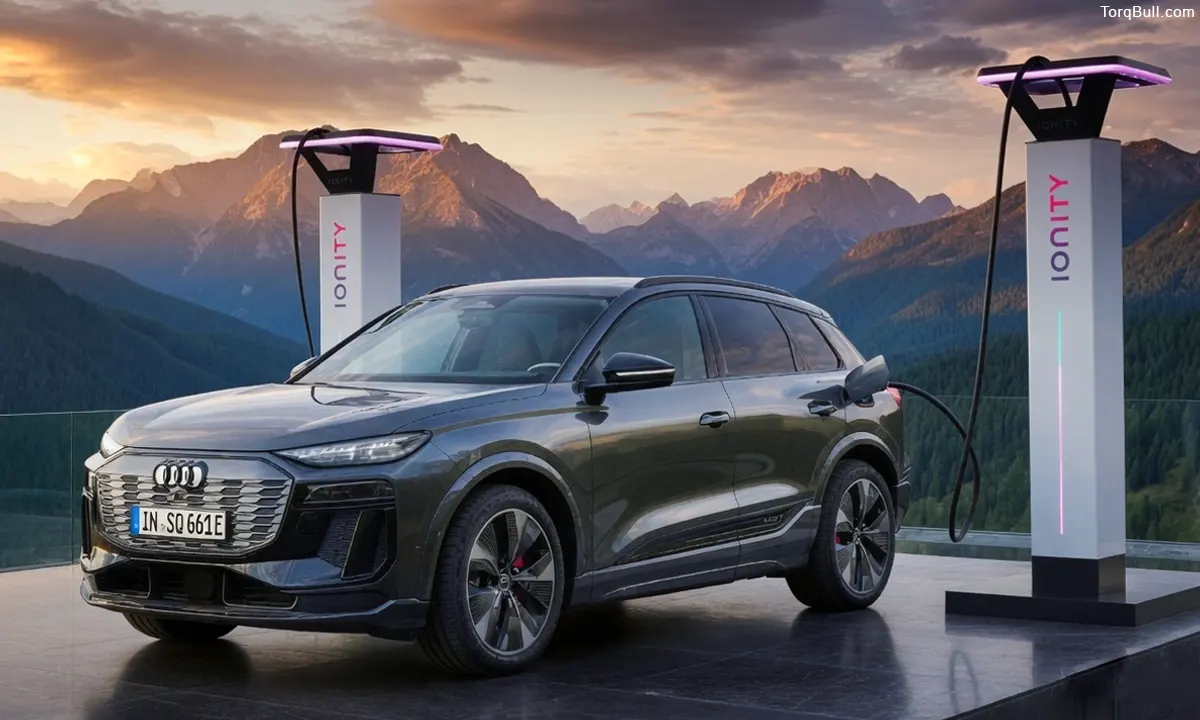
The Taycan shares its excellent tech with corporate cousins you can also buy here. The Audi e-tron GT delivers extremely fast charging, and the newer Q6 e-tron reaches 80 percent from 10 in about 21 minutes, with the closely related Porsche Macan EV matching that 21-minute figure. All are 800-volt, all charge beautifully.
The Value Speed Demons: Hyundai and Kia
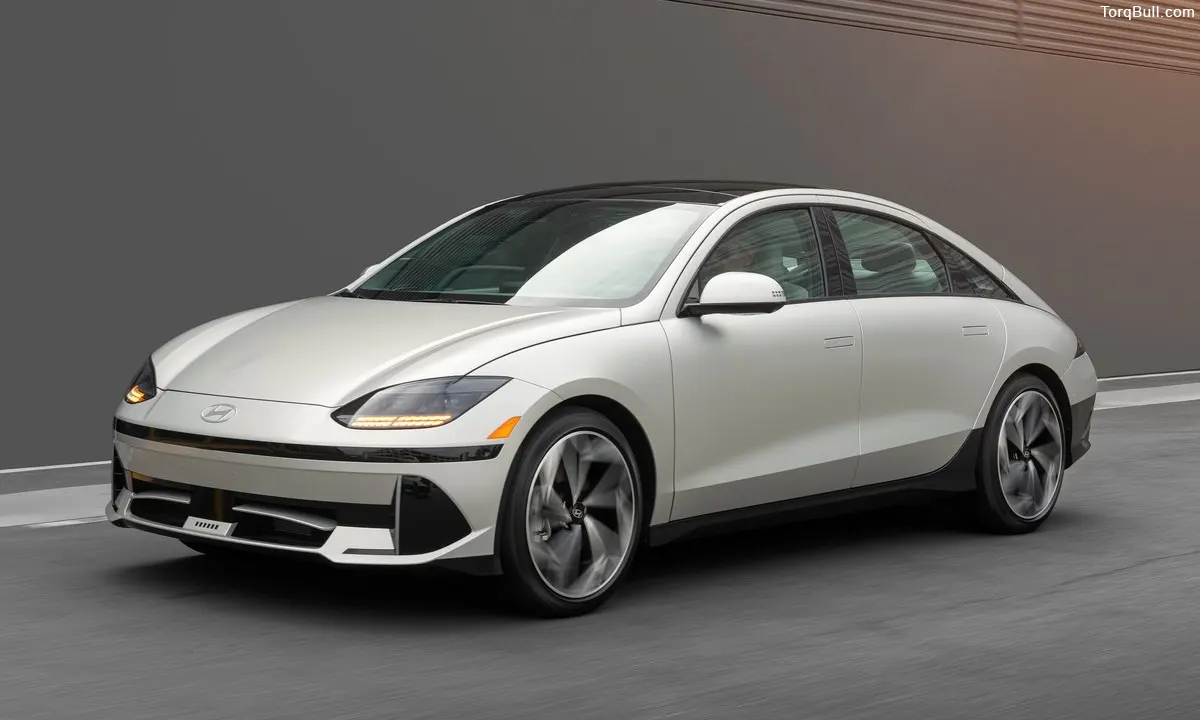
Here is where fast charging gets affordable, and it is my pick for most buyers. The Hyundai Ioniq 6, Ioniq 5, Kia EV6, and Genesis GV60 all ride on the group’s E-GMP 800-volt platform, pulling around 230 kW in independent tests and typically completing 10 to 80 percent in about 18 minutes. And they are ruthlessly efficient. The Ioniq 5 can add 100 miles of range in under 6 minutes, so every minute plugged in goes a long way.
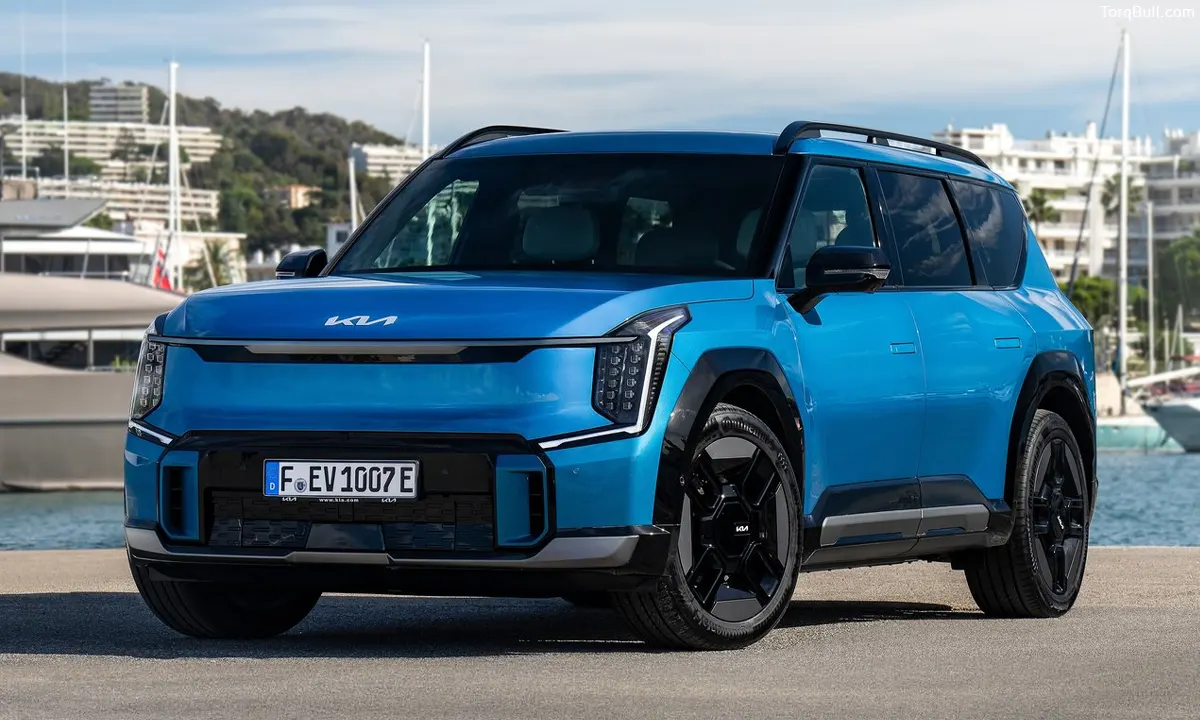
Even the three-row family SUV charges fast. The Kia EV9 can charge up to 80 percent in as little as 20 minutes, remarkable for a spacious three-row with up to 304 miles of range. You do not need six figures to get genuinely quick charging anymore, and that is the real 2026 story.
Read: Can Porsche Cayenne S Electric Actually Handle an American Road Trip?
How They Stack Up
Here are the fastest-charging EVs you can actually buy in the USA.
| Model | Peak Power | 10 to 80% Time | Architecture | Standout |
| Lucid Gravity | 400 kW | 23 min | 900V | Power + 450 mi range |
| Lucid Air | 300 kW | 22 min | 900V | Efficiency, fewest stops |
| Porsche Taycan | 320 kW | Under 20 min | 800V | Highest sustained power |
| Hyundai Ioniq 5/6 | ~235 kW | ~18 min | 800V | Speed + value |
| Kia EV6 | 240 kW | 18 to 20 min | 800V | Value performance |
| Audi Q6 e-tron | ~270 kW | 21 min | 800V | Refined luxury |
| Tesla Model 3/Y | 250 kW | 15 to 20 min | 400V | Best network |
Two newcomers are about to shake up the top of this list. The BMW iX3, launching in autumn 2026, brings a 400 kW peak and adds around 230 miles in 10 minutes, doing 10 to 80 percent in under 20 minutes. And the new Mercedes CLA Electric hits a 320 kW peak, adds about 200 miles in 10 minutes, and even earned Car of the Year 2026 honors. Both are worth waiting for.
Don’t Forget Tesla’s Trump Card
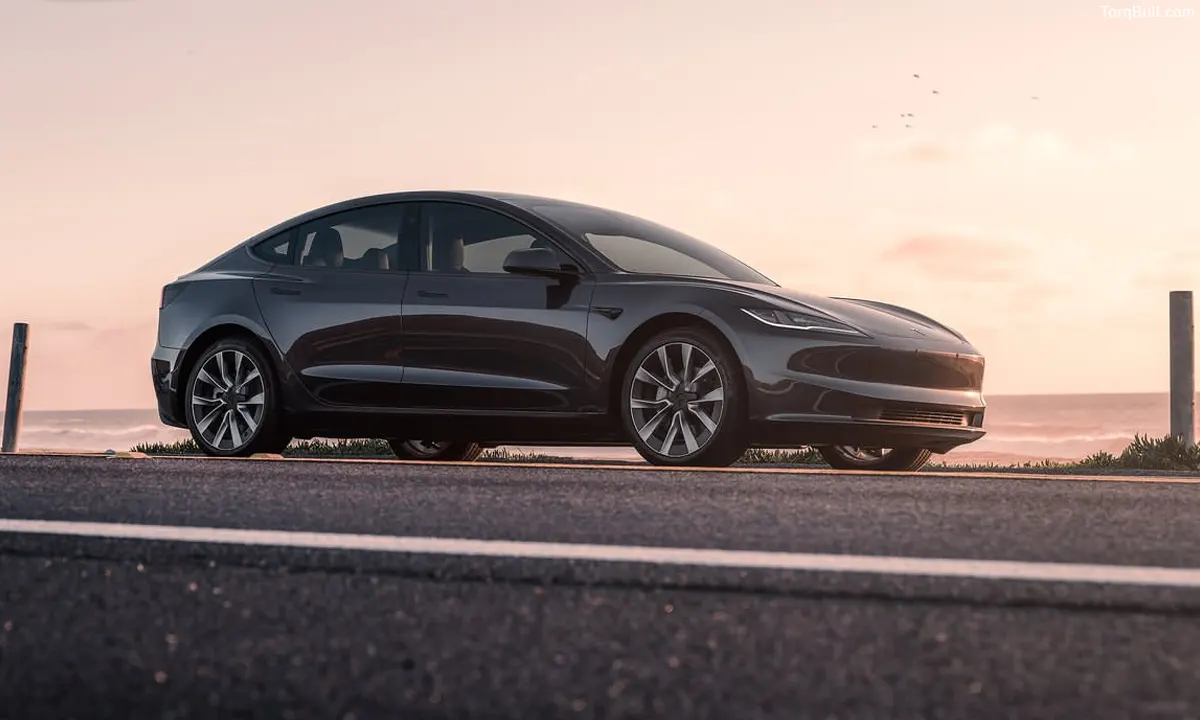
Tesla is not the fastest on paper, and that is worth being honest about. The Model 3 and Model Y charge at up to 250 kW on a 400-volt architecture, doing 10 to 80 percent in roughly 15 to 20 minutes. Respectable, but the 800-volt cars edge it on raw speed.
Where Tesla wins is reliability and ubiquity. The Supercharger network remains the most dependable, widespread fast-charging system in America, and a slightly slower charge that always works beats a faster one that is broken or occupied. For many road trippers, that reliability matters more than shaving three minutes off a stop.
The Nuance Nobody Tells You: CCS vs NACS
Here is a genuinely important wrinkle that can make or break your charging speed. Counterintuitively, most 800-volt vehicles get higher charge speeds on CCS chargers than on NACS. If you are planning stops on a road trip and time matters, look for CCS chargers that offer 250 or 350 kW speeds.
Why? Tesla’s Supercharger network runs at a lower voltage, so when an 800-volt car plugs in via a NACS adapter, its speed can be throttled by the conversion. So if you own a blazing-fast Hyundai or Porsche, seeking out a healthy 350 kW CCS station will often beat a Supercharger. And always precondition your battery. When you enter a fast charger as a destination in the navigation system, the car automatically warms the battery to the optimal temperature, maximizing charging performance from the moment you plug in. Skip that step in cold weather and your blazing-fast EV suddenly charges slowly.
Let Me Be Honest About the Catches
I have to keep it real, because the headlines can mislead. First, many of the world-record chargers are not sold in America. The Lotus Emeya hit 443 kW and the Xpeng and Zeekr models push past 480 kW, but those China and Europe stars are largely unavailable in the US, and even the updated 800-volt Polestar 3 is not on sale here yet, with the company still selling the slower 400-volt version stateside. Do not fall for a spec sheet you cannot actually buy.
Second, advertised peak rarely equals reality. In charging tests, the Ioniq 5 has blindingly fast speeds but does not actually hit the advertised 350 kW, because that is the charger rating, not the vehicle’s peak acceptance rate. Real-world times run longer than claims too. Expect 18 to 25 minutes rather than the rosy 18-minute figure, especially if the battery is cold or the station is busy or degraded.
Third, and most important, a fast-charging car is useless without a fast, healthy charger nearby. Infrastructure still varies wildly by region, and the quickest EV in the world crawls on a broken 150 kW stall. Always have backup chargers in mind along your route.
Here is my read, though. None of these caveats undo the progress. Even accounting for real-world slowdowns, the fastest US EVs of 2026 genuinely recharge in a coffee break, and that is a monumental leap from a few years ago. Just shop for the car you can buy, judge it on the 10 to 80 time rather than the peak, and learn to precondition.
Verdict: Pick Your Champion by How You Drive
So which fastest-charging EV should you actually buy in the USA? It depends on what you value, and the good news is there is a clear winner for every type of driver.
If you want the fewest stops on long trips, buy a Lucid. Its 900-volt architecture and class-leading efficiency mean each charge goes farther and comes back fast, making the Air and Gravity the road-trip royalty of 2026. If you want the most consistent, repeatable charging for someone who drives serious highway miles, the Porsche Taycan and its Audi cousins deliver the flattest curve and the highest sustained power in the business. If you want genuine fast charging without the six-figure price, the Hyundai Ioniq 5 and 6 and Kia EV6 are the sweet spot, combining 18-minute charges with real efficiency and sane prices. And if network reliability matters most, Tesla’s Superchargers still offer the most dependable experience, even if the car is not the outright fastest.
Whatever you choose, remember the golden rules. Judge the 10 to 80 time, not the peak kilowatts. Seek out 350 kW CCS stations if you own an 800-volt car. Precondition your battery every single time. And only charge to 80 percent on the road, because the curve falls off a cliff after that.
The charging speed war is the best thing to happen to EVs in years. It has quietly turned the biggest weakness, the long wait, into a genuine competitive strength. The fastest electric cars in America now recharge faster than you can finish your latte. Pick the one that fits your life, learn to use it right, and enjoy road trips that finally feel effortless. The wait, quite literally, is over.