Confession time. I had basically written off the old Toyota C-HR. You remember it, right? That funky little gas crossover with the swooping roofline, the back seat windows shaped like gun slits, and an engine so lazy it needed a calendar to measure zero to sixty. It looked like it wanted to street race but drove like it was perpetually merging onto the highway in fear. Toyota quietly killed it here back in 2021, and honestly, I did not shed a tear.
So when I heard the C-HR was coming back, I braced for more of the same. Then I read the spec sheet, and my coffee nearly went up my nose. This thing returns as an all electric crossover with standard dual motor all wheel drive and 338 combined horsepower, hitting 60 mph in a manufacturer estimated 4.9 seconds. For a car that used to need eleven seconds to do the same job, that is not an upgrade. That is a personality transplant.
And the more I dug in, the more I realized something. Toyota did not just fix the C-HR. It quietly built one of the best commuter EVs you can buy right now. Let me tell you why.
The Math of a Perfect Commute
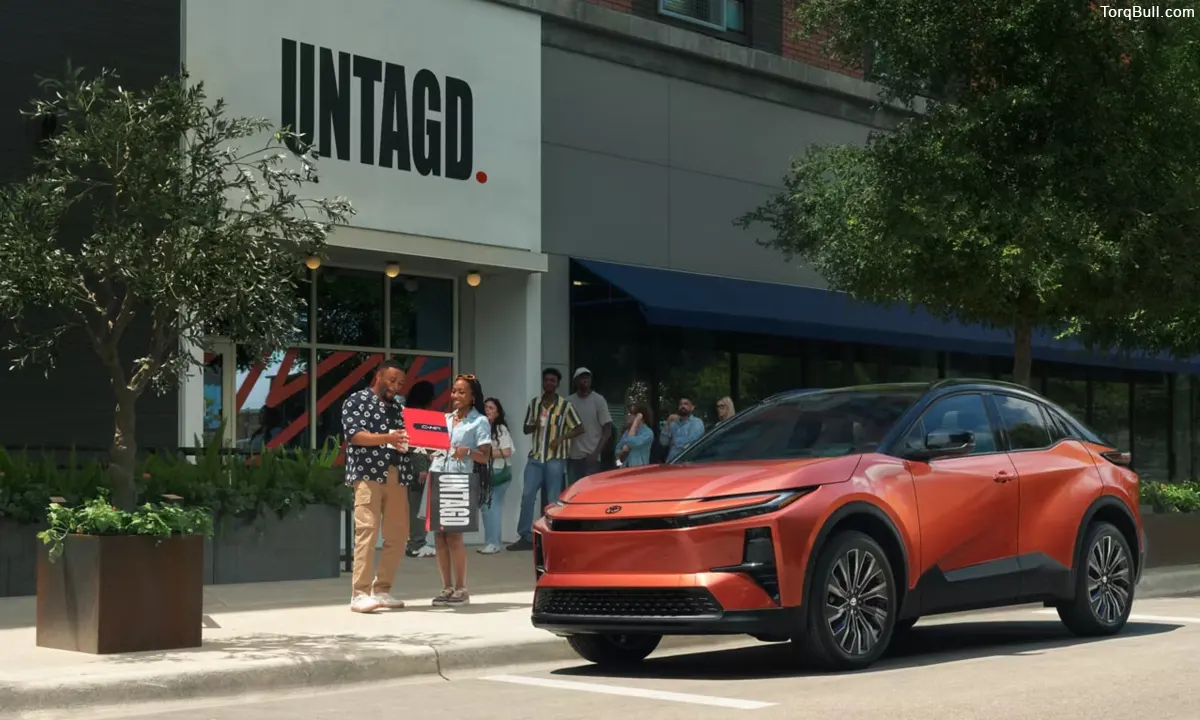
Here is the thing nobody wants to admit about EV shopping. Most of us are not driving across three states on a Tuesday. We are doing the same 30 or 40 mile loop to work, to school pickup, to the grocery store, and back. The C-HR is built for exactly that life.
The SE grade returns an EPA estimated 287 miles of range on its 18 inch wheels, while the XSE on its 20 inch wheels comes in at 273 miles, both running off a 74.7 kWh battery. Is that a class leading number? No, and I will not pretend it is. The Chevrolet Equinox EV stretches to 319 miles and the Tesla Model Y reaches up to 357. But here is my hot take. For a commuter, chasing a giant range number is a bit of a vanity metric. With 287 miles in your back pocket, you could go an entire workweek of normal driving without plugging in once. That is plenty.
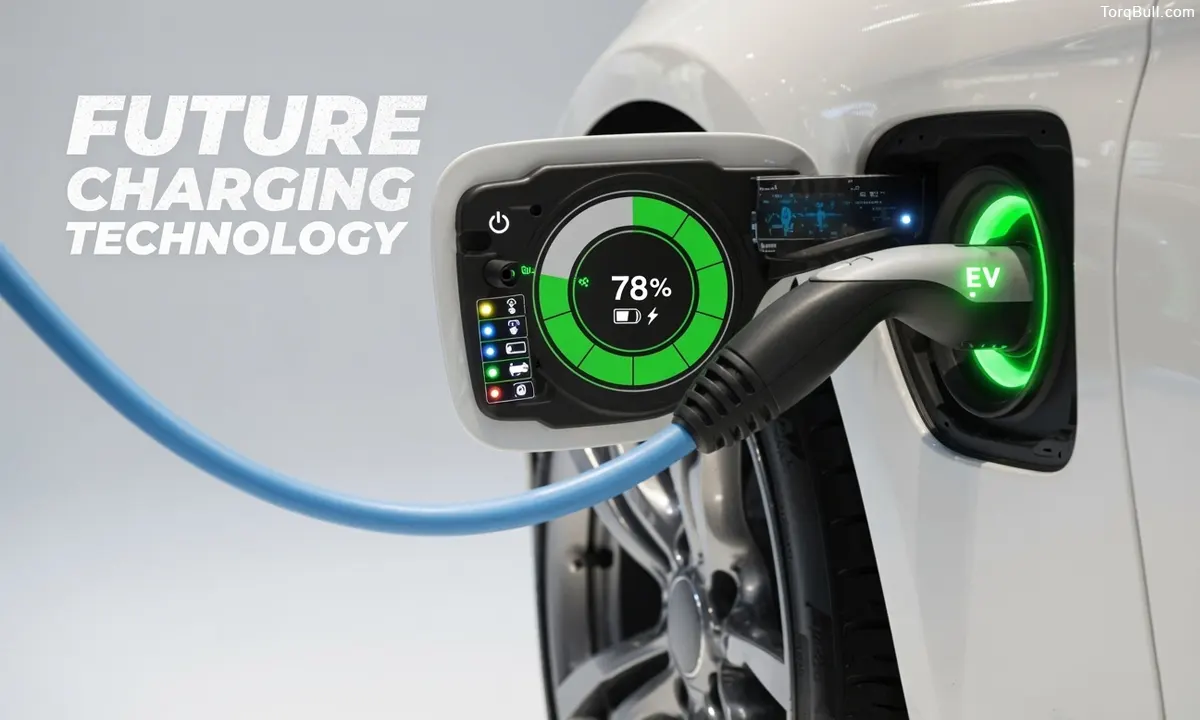
What seals the deal is the charging setup. Every C-HR comes with a North American Charging System port, so it plugs straight into Tesla Superchargers with no adapter dance, and it charges from 10 to 80 percent in about 30 minutes. For home, the 11 kW onboard charger refills the pack overnight on a standard 240 volt outlet in roughly 7 to 8 hours. You leave home full every single morning. That is the commuter dream, and it costs you nothing in range anxiety.
It Is Genuinely, Stupidly Quick
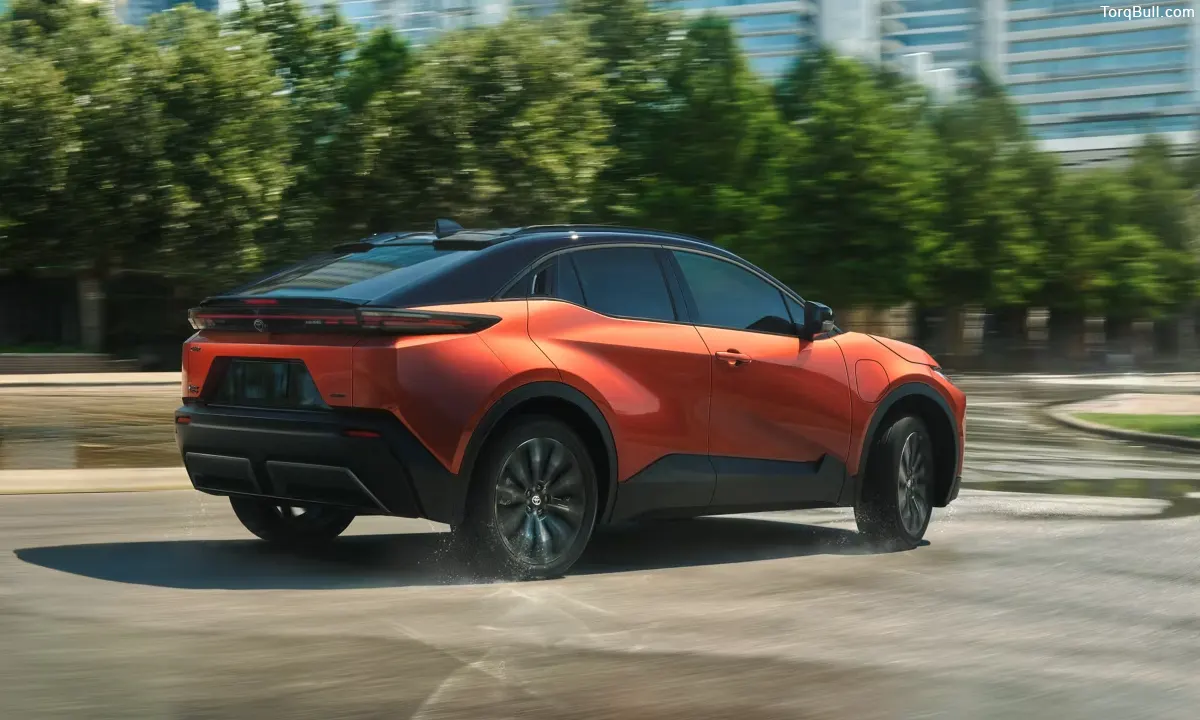
This is the part that makes me grin. Commuting is mostly boring. Traffic lights, on ramps, that one merge where everybody forgets how zippers work. A slow car turns all of that into a chore. The C-HR turns it into a tiny thrill.
The dual motors crank out 338 horsepower, which is a whopping 194 more than the old gas C-HR ever made. That is more power than any direct competitor in the class by a significant margin. Stomp the pedal at a green light and this little crossover just leaps. There is something deeply satisfying about a humble commuter car that can embarrass a sport sedan off the line, and the C-HR does it without breaking a sweat.
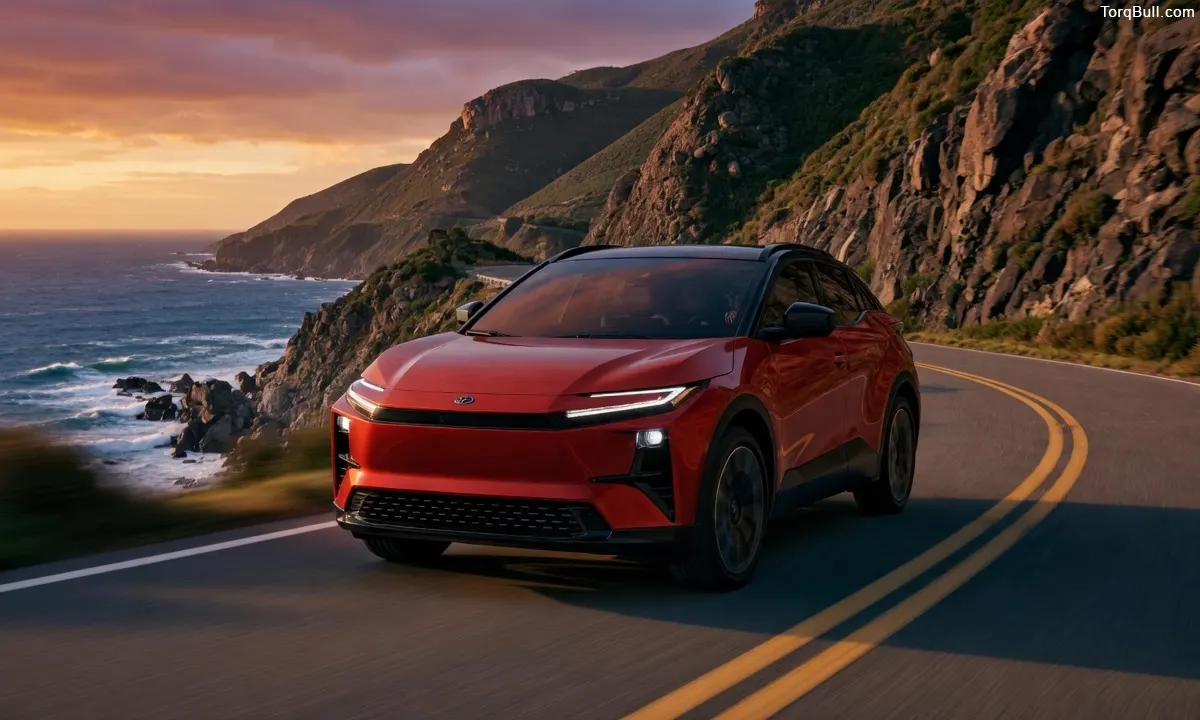
And no, it is not just a drag strip trick. One reviewer who flogged it along mountain roads near Ojai, California, came away calling it spry and genuinely fun, with Toyota stiffening the chassis to give it a sportier feel than its bZ siblings. A commuter that is actually entertaining when the road gets twisty? Sign me up.
All Wheel Drive Standard, Because Weather Is Real
Here is a feature I wish more people obsessed over. Every single C-HR comes with standard all wheel drive, with electric motors housed in the front and rear eAxles. The old one did not even offer AWD as an option. Now it is baked in across the board.
If you live anywhere that sees snow, sleet, or the occasional biblical rainstorm, this matters way more than another 30 miles of range. Your commute does not care that it is February. Standard AWD means you get traction when you need it without paying extra or ticking a box. For the daily grind in real American weather, that is a quietly huge advantage.
A Cabin That Punches Above Its Price
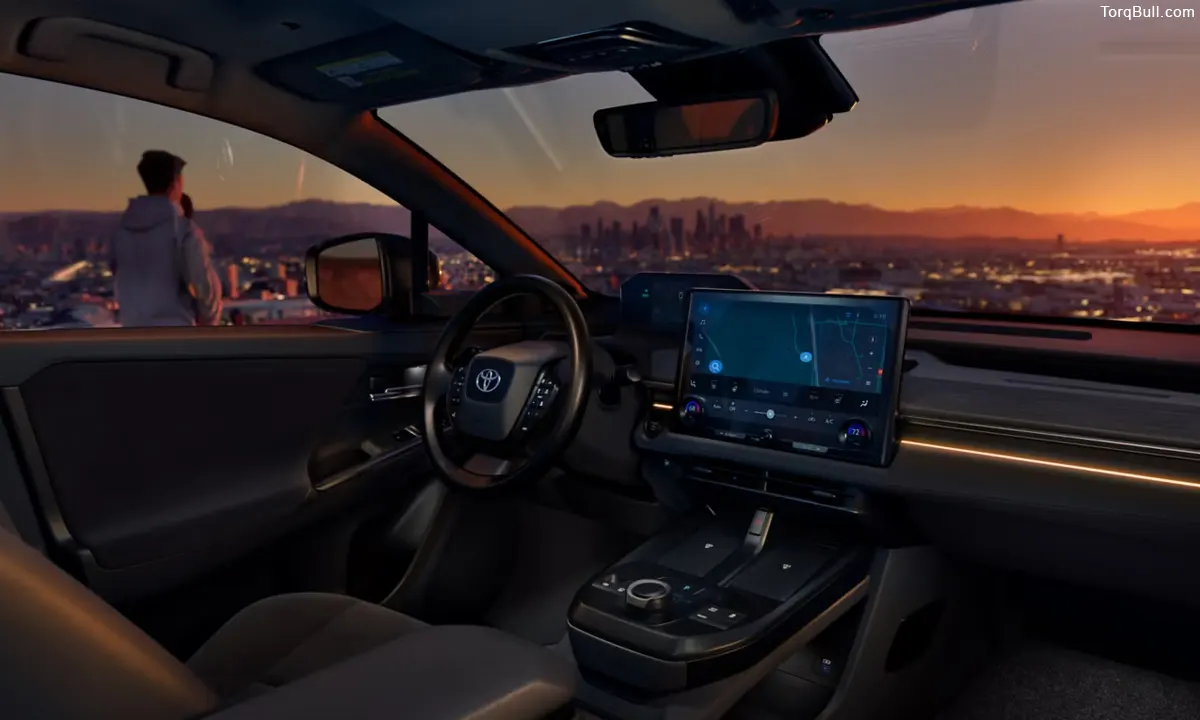
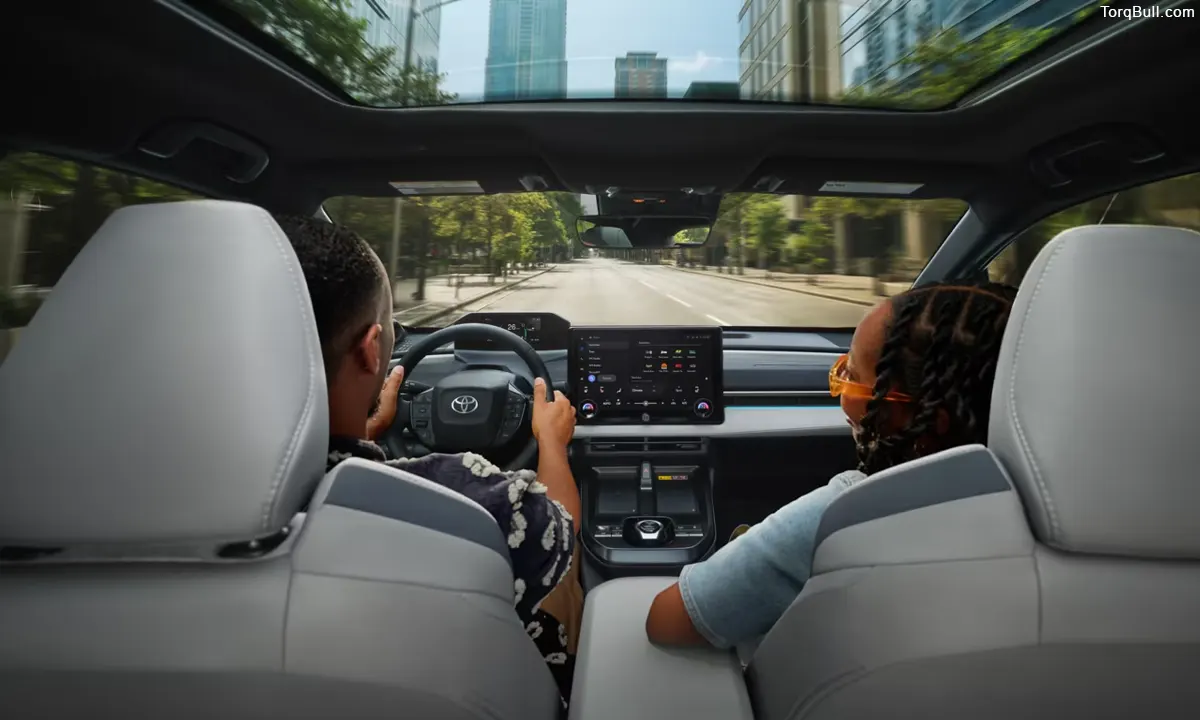
Step inside and the budget vibes of the old Scion era are gone. Even the base SE includes a 14 inch touchscreen, a fully digital gauge cluster, and dual wireless chargers. You also get heated front seats, a heated steering wheel, an eight way power driver seat, leatherette inserts, and ambient lighting. For a car starting where this one does, that is a properly equipped interior.
Safety is loaded up too. Toyota Safety Sense 3.0 comes standard with automatic emergency braking, lane keeping, adaptive cruise, and blind spot warning, plus a safe exit assist that checks for passing cars before you open the door. For a daily driver weaving through city traffic, that suite of tech is exactly what you want watching your back.
Read: How Xiaomi’s 1,900 HP Vision GT Rewrites the Rules of Hypercar Aerodynamics
How It Stacks Up
Let’s put the numbers side by side so you can see where the C-HR lands.
| Model | Power | Range | Drivetrain | Starting Price |
| 2026 Toyota C-HR SE | 338 hp | 287 mi | Standard AWD | About $37,000 |
| Chevrolet Equinox EV | Varies | Up to 319 mi | FWD standard | About $35,000 |
| Hyundai Kona Electric | Varies | 261 mi | FWD | About $33,000 |
| Tesla Model Y | Varies | Up to 357 mi | RWD standard | About $49,000 |
Pricing for the C-HR starts at $37,000 before destination, with the SE landing around $38,450 and the XSE near $40,450 once you add it in. Yes, the Equinox is cheaper and the Tesla goes farther. But look at what the C-HR uniquely brings to that price. It is the combination of standard all wheel drive, quick acceleration, and Toyota’s reputation for building cars that last that sets it apart. For a commuter you plan to keep for a decade, that reliability reputation is worth real money.
Let’s Be Honest About the Flaws
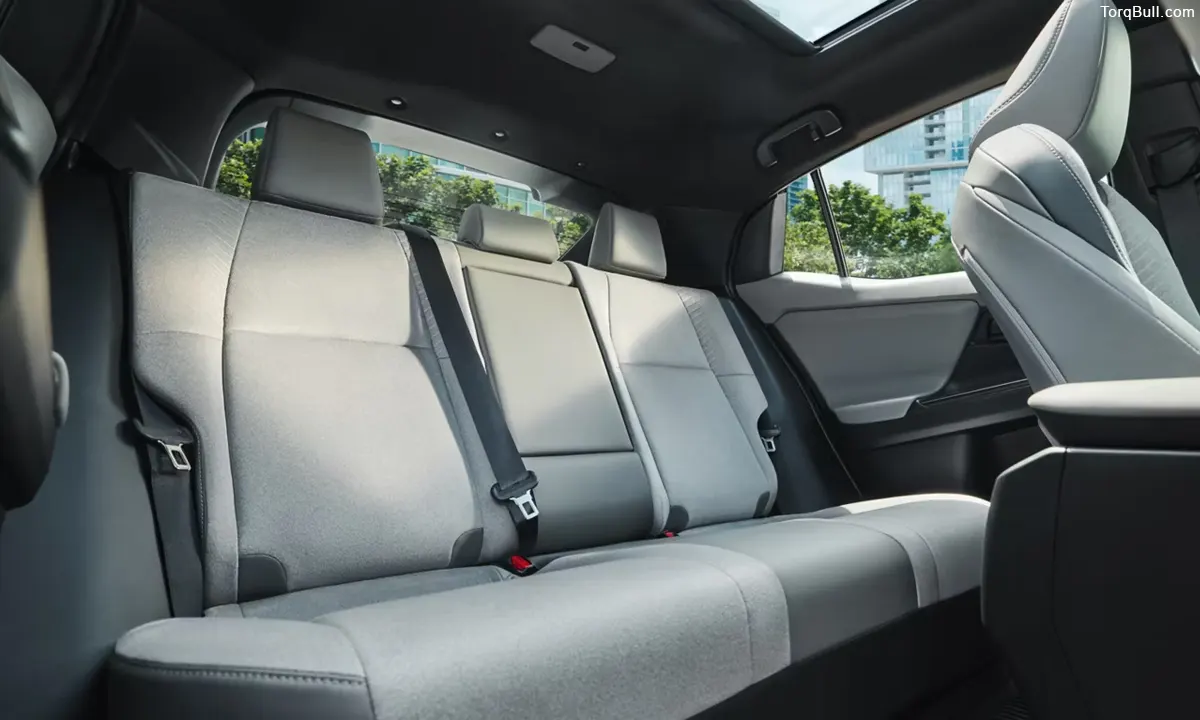
I am not going to sell you a fantasy. The C-HR has quirks. That swoopy roofline and thick rear pillar mean visibility over your shoulder is compromised, and rear headroom gets a little snug. There is also no built in road trip charge planning in the software, and Toyota says it has no plans to add it. For long hauls, that is annoying.
But notice something. Almost every flaw is a road trip flaw, not a commuter flaw. Even the harshest reviewers admit it drives better than expected and rides beautifully over bumps. The stuff that bugs people only shows up when you ask it to be a cross country machine, which is not its job.
My Verdict: Buy It for the Life You Actually Live
Here is where I land. If you are shopping for a do everything, one and only family road trip hauler, the C-HR is probably not your answer, and that is fine. But if you want a sharp looking, quick, all weather, premium feeling EV that turns your daily slog into something you almost look forward to, this thing is a bullseye. Toyota took its goofy little styling experiment and turned it into a genuinely smart commuter with serious punch, a Tesla friendly charge port, standard grip for bad weather, and that bulletproof Toyota badge on the hood. I came in expecting another style over substance flop. I left wanting one in my driveway. For the way most of us actually drive, the 2026 C-HR might just be the ultimate electric commuter. Funny looking? Sure. But it finally has the substance to back up the swagger.