Let’s be honest about the elephant in every EV showroom. The road trip. Not the commute, not the grocery run, the actual cross country haul where you point the car at the horizon and drive until your bladder or your fuel gauge says stop. For gas cars, that is a non issue. You stop for five minutes, you fill up, you go. For most EVs, it has historically been a teeth gritting exercise in range math, charger roulette, and praying the one plug at the rest stop actually works.
So when Porsche rolled out the electric Cayenne, with a Cayenne S Electric joining the lineup, I had one burning question that cuts through all the horsepower hype. Can this thing actually road trip like a normal vehicle? Or is it another gorgeous EV that turns a six hour drive into a nine hour science project?
I went deep on the numbers, the real world tests, and the charging tech. And I will tell you up front: I came away more convinced than I expected. Let me show you why.
The Range Is Real, Not Just a Brochure Fantasy
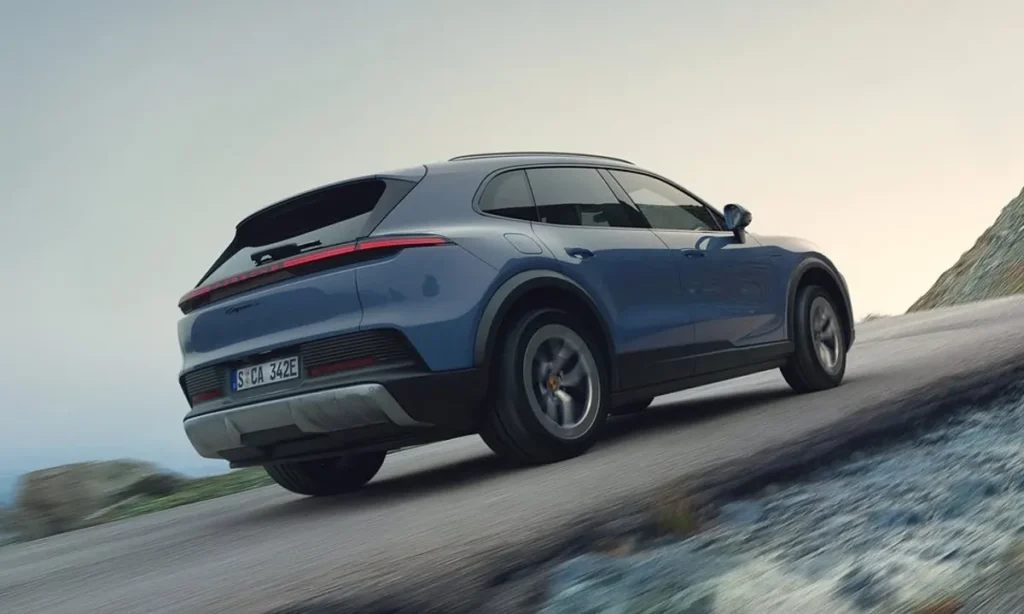
Here is where most EVs lose me. They quote a huge range number, then deliver something far smaller the moment you hit the highway at 75 mph. The Cayenne is refreshingly different, because we already have real world highway data from near production cars, and it is genuinely impressive.
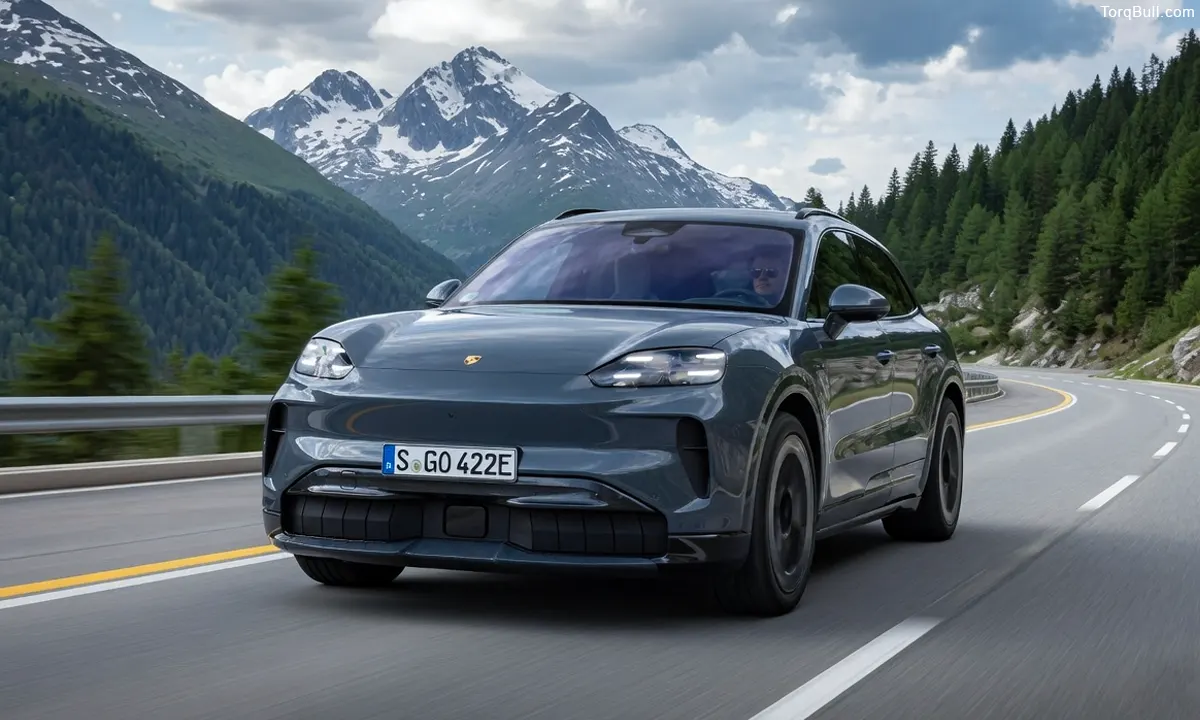
During a 70 mph highway range test, a near production Cayenne Electric covered 353 miles at a constant 70 mph before hitting 2 percent charge, and that car even had the off road package and three people on board. The other test cars backed it up. One achieved 343 miles and another managed 351.9 miles, all three returning the same 3.3 miles per kWh efficiency.
That is the key. These are not gentle, downhill, hypermiling numbers. The test route had a lot of elevation changes, which negatively impact range, yet the results were better than expected. Now, a dose of honesty. The official EPA figure will land lower than the flashy European number. The roughly 400 mile WLTP rating sounds huge, but a reasonable working assumption is roughly 300 to 330 miles of EPA range, and if you drive fast in cold weather, plan for 60 to 70 percent of the headline figure. But 300 plus miles of usable highway range is genuinely road trip ready. That clears the first hurdle easily.
The Charging Is Where It Wins the Trip
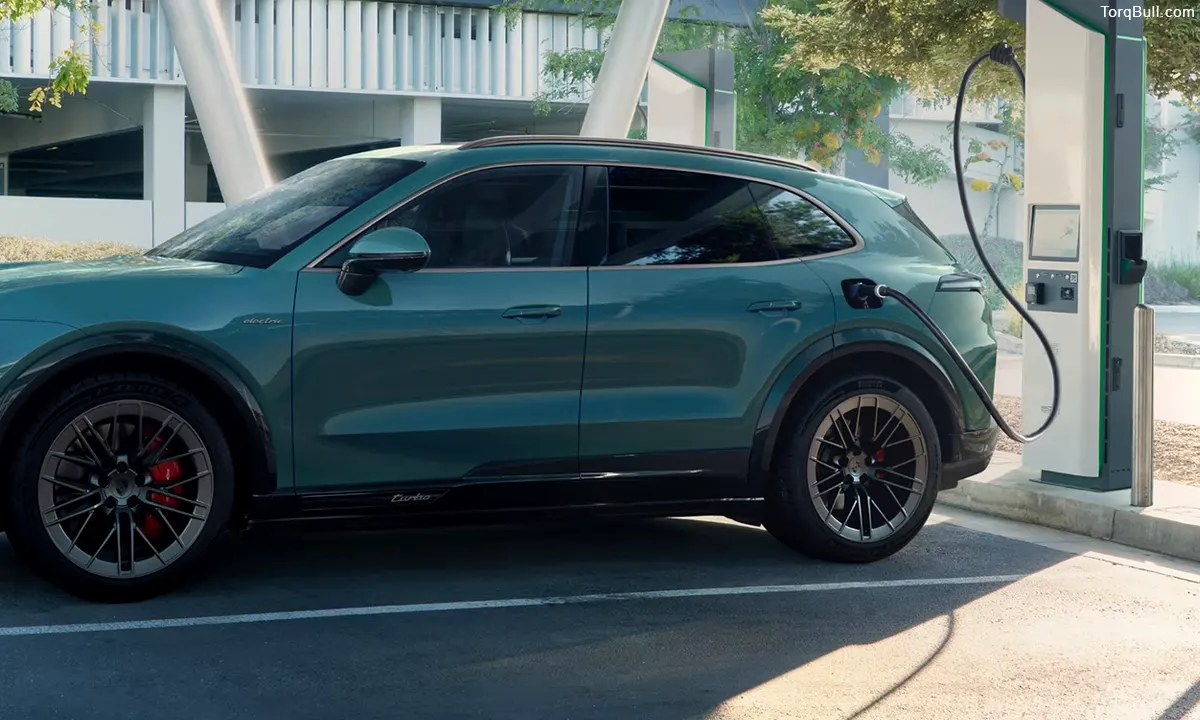
Range gets you between stops. Charging speed determines whether those stops are a coffee break or a hostage situation. This is the Cayenne’s superpower, and it is the reason I think it can truly handle the long haul.
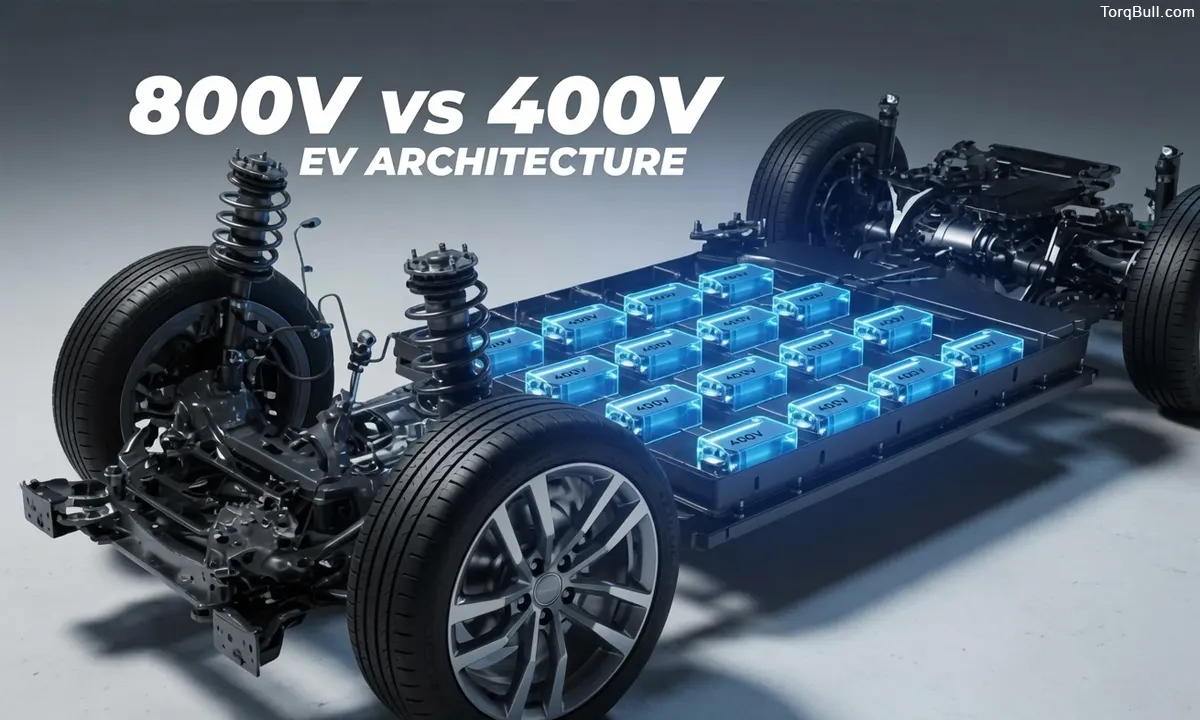
Thanks to 800 volt technology, the Cayenne can charge at up to 390 kW, and under specific conditions up to 400 kW, taking the battery from 10 to 80 percent in less than 16 minutes, with enough energy for an additional 325 km of range added in just 10 minutes. That 325 km is about 200 miles of range in the time it takes to use the restroom and grab a snack. That is the dream. That is what makes EV road tripping feel normal.
Even better is the shape of the charging curve, which matters more than the peak number. Porsche says the SUV can hold very high power up to about 50 percent state of charge, which matters a lot when you’re doing back to back highway legs. Many EVs hit a big peak then taper off fast. The Cayenne stays fast deep into the session, so your second and third stops of the day are just as quick as the first.
The Tech That Kills Range Anxiety
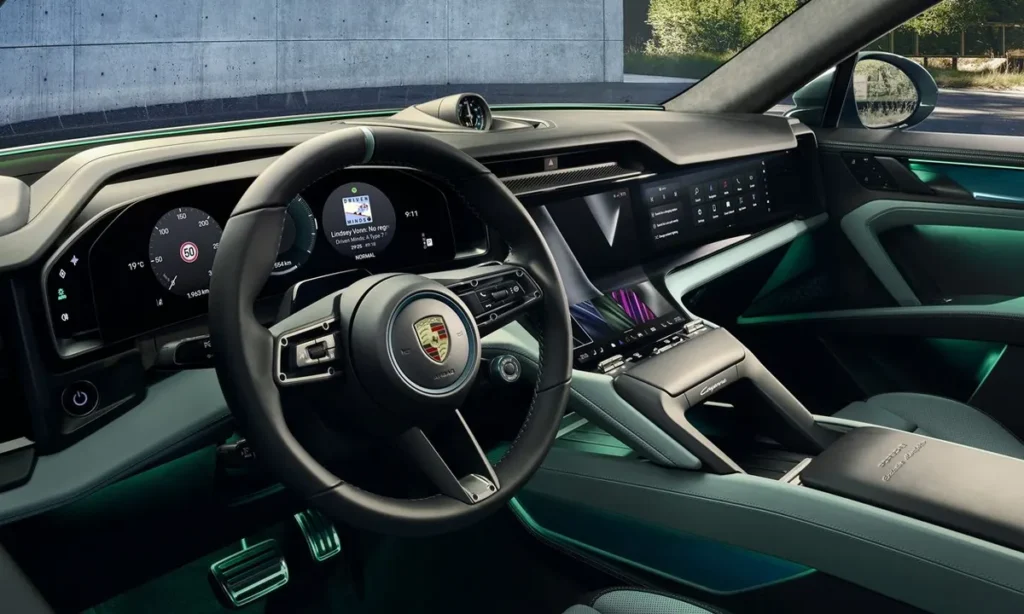
Beyond the raw numbers, Porsche built in the smart stuff that separates a relaxing trip from a stressful one. The first is automatic battery preconditioning. The car regulates the pre-conditioning of the battery before you arrive at the charging stop, optimizing the charging power and reducing total travel time. In plain terms, it warms or cools the battery to the perfect temperature before you pull in, so you get those blazing charge speeds every time, not just when conditions happen to be ideal.
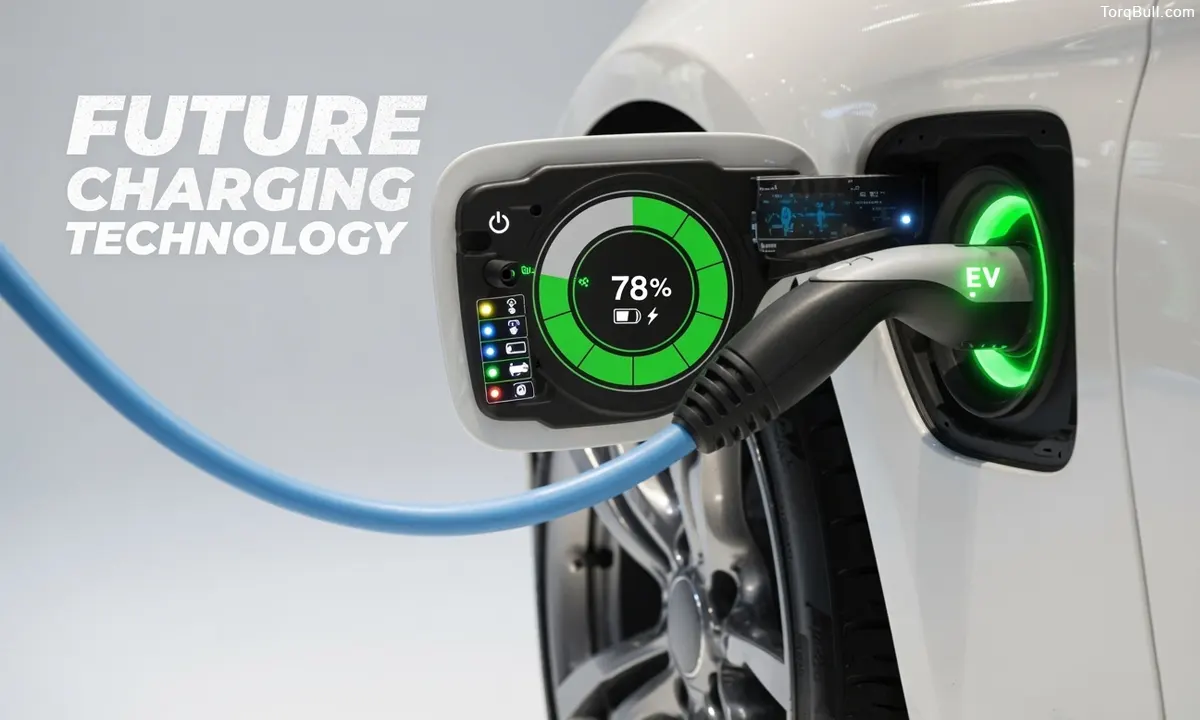
The battery is engineered to keep performing too. A cooling plate above and below the battery ensures it always operates within the ideal temperature range, which means consistent fast charging whether you are crossing Arizona in July or Minnesota in January. And the car keeps you fully informed. Charging time, range, charge level, charging rate, and battery temperature are all displayed in the dash and the app, and if full charging power cannot be achieved, that is clearly communicated. No guessing games.
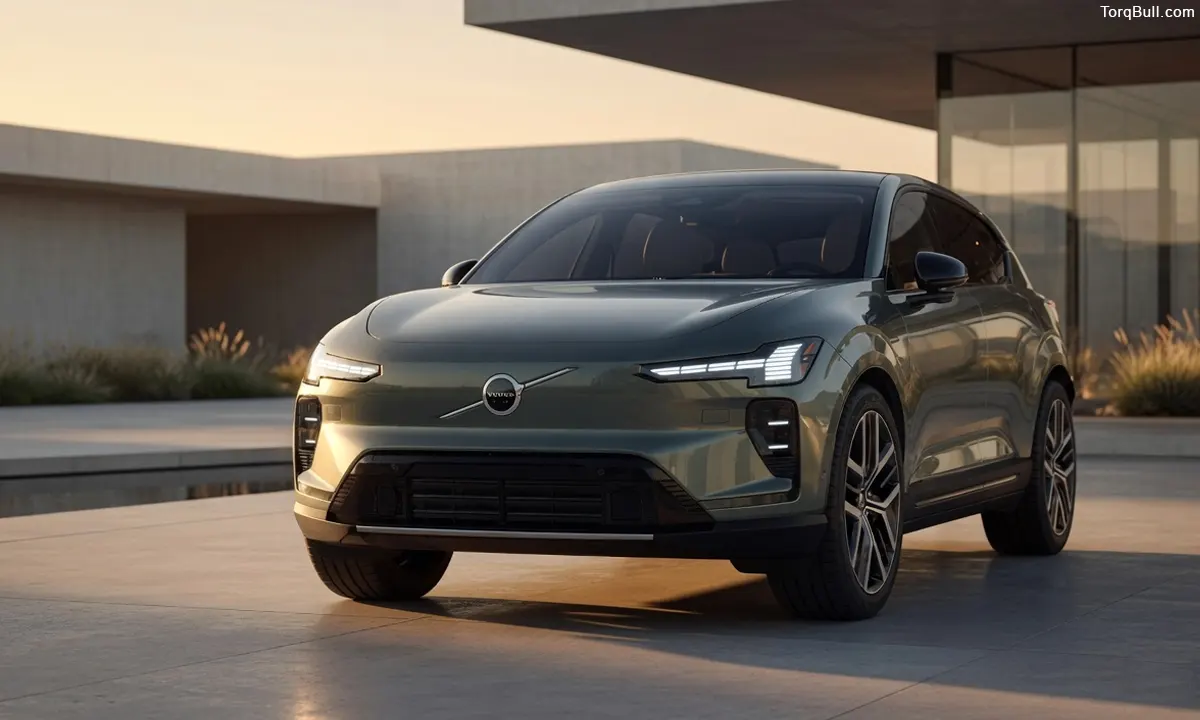
Read: Don’t Call It a Boring Family Car. Inside the 670-HP 2027 Volvo EX60
How It Stacks Up
Here is where the Cayenne lands against other luxury EV road trip rivals.
| Model | Usable Battery | Real-World Highway Range | Peak DC Charging | Charge Port |
| Porsche Cayenne Electric | 107.8 kWh | 343 to 353 mi (70 mph test) | Up to 400 kW | Native NACS |
| Rivian R1S | Large | Around 300 mi | Around 220 kW | NACS-ready |
| BMW iX | Large | Around 290 mi | Around 195 kW | CCS/NACS |
| Tesla Model X | Large | Around 320 mi | Around 250 kW | NACS |
The Cayenne’s charging speed is in a different league from most of that field. And then there is the single most important road trip feature for an American buyer. By combining an 800 volt pack, very high peak charging speeds, and native NACS access, the Cayenne Electric significantly narrows the gap between EV road tripping and traditional gas stops, particularly in the U.S., where Tesla’s network sets the pace. A native Tesla Supercharger port means you are not hunting for sketchy third party chargers. You have access to the most reliable, widespread fast charging network in the country. That changes everything.
The Comfort Makes the Miles Disappear
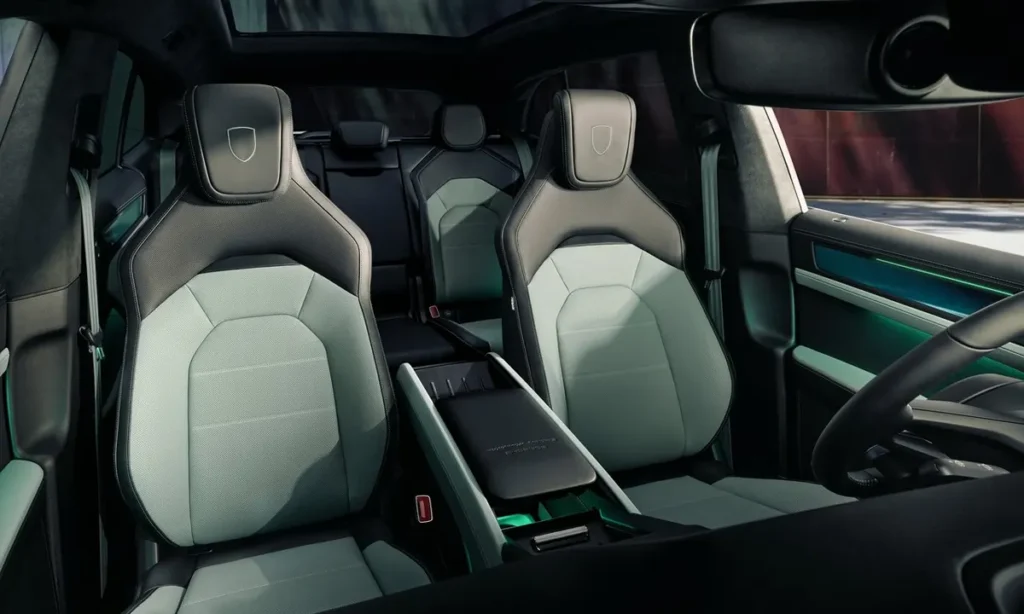
A road trip machine also has to be a pleasant place to spend hours, and here the Cayenne is pure Porsche luxury. It offers the largest display area in any Porsche, interactive Mood Modes, and the latest generation of seats for a unique interior experience. The S trim gets a genuinely clever party trick. Active Ride, available on the S, doesn’t just absorb road imperfections, it anticipates them, actively adjusting damping and ride height in real time for cloud like comfort and telepathic cornering precision.
There is even a thoughtful cold weather touch that helps your range. The optional surface heating is a fanless system that warms the contact surfaces with occupants within a few minutes while consuming very little energy. Cabin heating is a notorious range killer in EVs, so a low draw way to stay warm is a smart road trip ally.
Let Me Be Honest About the Catches
I am clearly impressed, so here is the cold water. First, timing. The base and Turbo are arriving in Spring 2026, but the Cayenne S Electric is expected at the end of Summer 2026. So if you want the S specifically, you are waiting.
Second, the price. This is no bargain. The Cayenne Electric lives in the upper tier of the luxury EV SUV space, with the base expected somewhere in the low to mid six figures before options. The S will sit comfortably above that. Third, and this is the honest limit on any EV road trip, you still need to plan around high power stations. The real decision point is how often you road trip more than 250 miles in a day, and if you do, you should learn where high power stations sit along your routes. Rural charging deserts still exist, and on the loneliest stretches of America, a gas car remains more carefree.
Here is my read, though. None of these are dealbreakers for the road trip question itself. The wait is temporary, the price buys genuine capability and luxury, and the route planning is a minor habit, not a hardship, especially with Supercharger access baked in. The fundamental road trip ability is there in a way it simply was not a couple of years ago.
Verdict: Yes, and It’s One of the Best at It
So can the electric Porsche Cayenne S actually handle an American road trip? My honest answer is a confident yes, and it does it better than almost any EV on sale.
It clears every hurdle that used to make EV road trips miserable. The real world range is genuinely 340 plus miles at highway speed, not a brochure fantasy. The charging is blisteringly fast, adding 200 miles in a 10 minute stop and holding that speed deep into the session for quick back to back legs. The battery preconditions itself so you get those speeds every time. And the native NACS port hands you the keys to America’s best charging network, killing the single biggest source of EV anxiety. Wrap it all in a quiet, plush, beautifully built Porsche cabin and you have a machine that makes the long haul feel effortless.
Is it perfect? No. You will wait for the S, you will pay dearly, and on the most remote routes a gas car is still less hassle. If you regularly drive across empty stretches of the mountain west, keep that in mind. But for the vast majority of American road trips, the interstate hauls, the family vacations, the long weekend escapes, the Cayenne S Electric is not just adequate. It is excellent.
The truth is that the EV road trip has quietly grown up, and the Cayenne is proof. A few years ago, the answer to this question was a nervous maybe. Today, with this Porsche, it is a genuine yes. Charge it up, point it at the horizon, and go. The science project days are over.