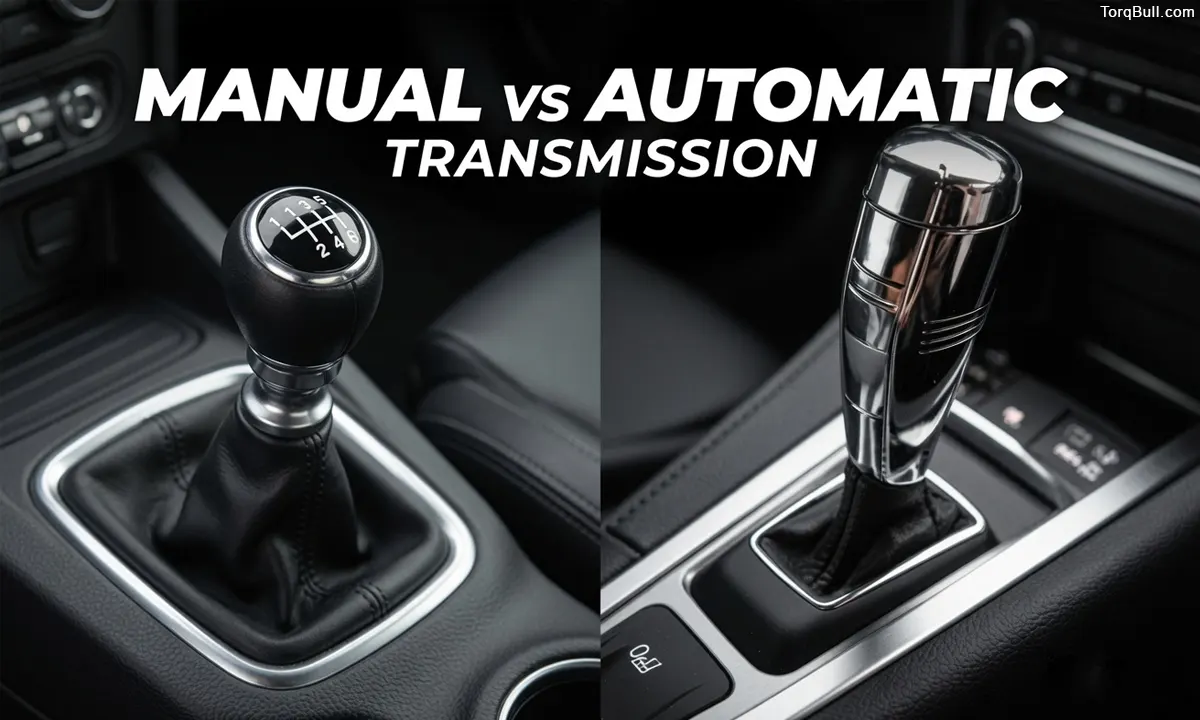
Every few years, someone declares the manual transmission officially dead. And every few years, a stubborn tribe of enthusiasts rises up, waves their “Save the Manuals” flag, and buys stick shifts in defiant numbers. So which is it? Is the three-pedal setup a relic gasping its last breath, or a beloved classic making a comeback?
The honest answer is both, depending on where you look. As a mainstream technology, the manual is stone-cold dead. As an enthusiast’s choice, it is thriving in a way that would shock the doomsayers. And 2026 happens to be a pivotal, bittersweet year that captures the whole contradiction perfectly.
So let me break down what is really happening with the stick shift in America right now, because the story is far more interesting than a simple dead-or-alive verdict. Grab a coffee, and let’s talk about the joy of shifting your own gears.
The Brutal Numbers First
Let’s not sugarcoat the mainstream reality, because it is grim. Manual transmissions comprise less than 1 percent of all U.S. new-car sales. Less than one percent. In economy cars, family sedans, and commuter appliances, the manual is gone, and it is never coming back. That ship has sailed.
Why? Because the automatic won the objective argument years ago, and it won decisively. Modern automatics are faster, more efficient, and more convenient than manuals, dual-clutch gearboxes shift quicker than any human possibly can, and CVTs optimize engine efficiency better than manual shifting ever could. From a pure performance and practicality standpoint, the manual lost. In stop-and-go traffic, on a fuel-economy test, on a drag strip, the automatic wins every time. That is simply the truth, and pretending otherwise does the debate no favors.
But Here’s the Plot Twist
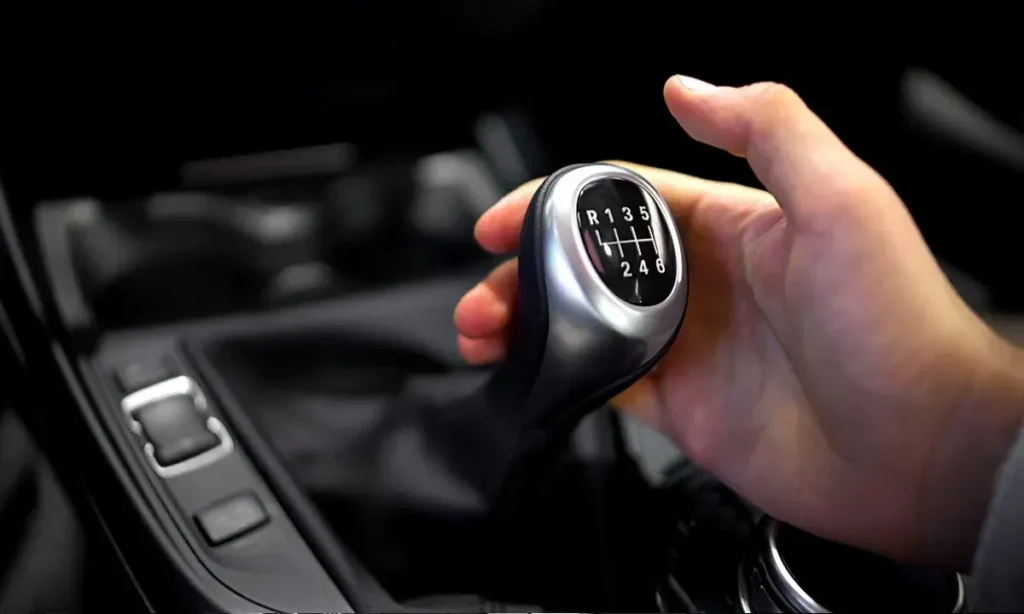
Now for the part that keeps the flame alive, and it is genuinely remarkable. In the cars where driving joy is the whole point, buyers overwhelmingly choose the manual. Not a few holdouts, a majority, sometimes an overwhelming one.
Look at the take rates. When Toyota finally added a manual to the GR Supra, it achieved a 65 percent manual take rate in 2024, a 22 percent jump that vindicated the loyalists who begged for it. The Subaru BRZ posts around 90 percent manual, the WRX around 85 percent, and the GR Corolla around 71 percent. Even luxury sport sedans join in, with over 60 percent of Cadillac CT4-V Blackwing buyers choosing the six-speed over a brilliant 10-speed automatic. And the exotics are wild, with the Lotus Emira at 88 percent and the Pagani Utopia at 75 percent manual.
These are not the numbers of a dead technology. In its natural habitat, the sports car, the manual is not just surviving, it is dominating. When engagement is the priority, enthusiasts put their money where their mouth is.
The Young People Are Fueling It
Here’s a wrinkle nobody predicted: the manual’s champions are getting younger. In just two years, the overall stick-shift take rate nearly doubled, climbing from 0.9 percent in 2021 to 1.7 percent in 2023, an increase of nearly 89 percent. Tiny numbers in absolute terms, but a real and meaningful trend in the right direction.
And the driving force is a generation you might not expect. The typical manual buyer skews younger and male, running about four years younger than the average car buyer, and it’s millennials and Gen Z powering the uptick. Young people love vinyl records and point-and-shoot film cameras, and that same analog fascination extends to the stick shift. In a world of touchscreens and automation, there’s something rebelliously appealing about a machine that demands your full participation. The manual has become cool again precisely because it’s difficult.
Read: Hybrid vs. Plug-In Hybrid: Which One Actually Saves You More Money?
How the Take Rates Stack Up
Here are the models keeping the manual alive, and by how much.
| Model | Manual Take Rate | Notes |
| Subaru BRZ | ~90% | Purest enthusiast pick |
| Subaru WRX | ~85% | One of two manual AWD cars |
| Pagani Utopia | 75% | Exotic manual thrives |
| Toyota GR Corolla | ~71% | Manual AWD, iMT rev-match |
| Toyota GR Supra | 65% | 2026 is the last manual year |
| Cadillac CT4-V Blackwing | 61% | Manual beats a 10-speed auto |
| BMW M3 (RWD) | ~50% | Down slightly from 2024 |
| VW Jetta GLI | 44.9% | VW’s last US manual |
| Acura Integra | 22% | Up from 19.8% |
The Real Killer Is Coming
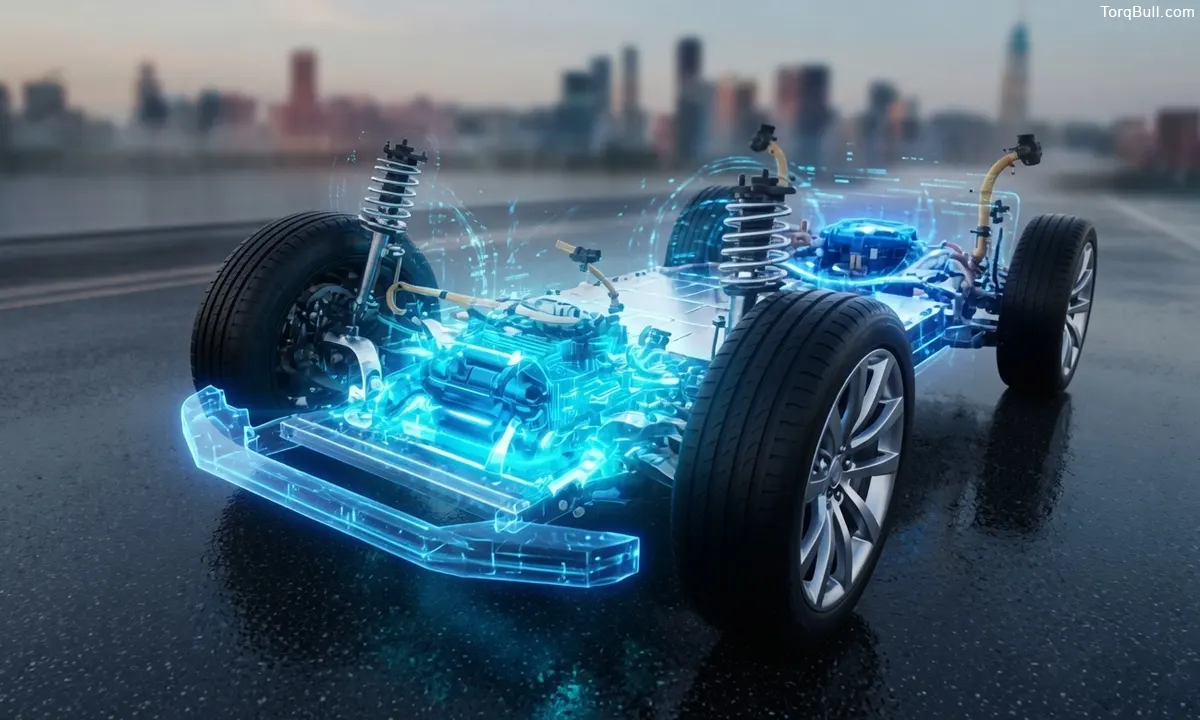
Here’s the sobering part, because there’s a threat to the manual bigger than better automatics: electrification. The automotive industry’s rapid shift toward hybrid powertrains fundamentally conflicts with manual transmissions, because electric motors provide instant torque that automatics manage far more effectively. As hybridization spreads, manuals become technically impractical rather than simply unprofitable.
That’s a crucial distinction. Automakers used to drop the manual because it didn’t sell enough. Now, as hybrid systems and EVs take over, the manual becomes an engineering mismatch, something that no longer even fits the hardware. A pure EV has a single-speed gearbox and no clutch at all. So the very technology sweeping the industry is the one thing a three-pedal setup cannot easily coexist with. That is the existential threat, and it is arriving fast.
Why 2026 Is a Bittersweet Year to Act
This brings us to the painful, urgent reality of right now. Several beloved manuals are taking their final bow this very year. The 2026 GR Supra Final Edition confirms this is the last year for the manual Supra. The Porsche 718 Cayman and Boxster end production in 2026, with electric or hybrid replacements expected. The BMW Z4, and its manual, wraps up by 2027. The next Honda Civic Si will likely go hybrid, making a manual unlikely, and the Mazda3 Turbo’s manual is expected to vanish with the next redesign.
The message for anyone who has ever wanted a new manual car is blunt: the time to buy is now. Only about 24 manual models remain in the U.S. for 2026, and several won’t survive to 2027. Once they’re gone, they’re not coming back. Waiting for the “right time” increasingly means waiting until the option disappears entirely. If a stick shift is on your bucket list, this is not a drill.
So Why Does It Survive at All?
Given everything, given that automatics are faster, cheaper, more efficient, and more convenient, why does anyone still choose to shift their own gears? Because driving was never purely about objective performance. The manual transmission endures because it transforms transportation into engagement.
That’s the whole thing, right there. An automatic drives the car for you. A manual makes you part of the machine. You heel-and-toe into a corner, you feel the clutch bite, you time the perfect shift, and suddenly a commute becomes an event and a boring errand becomes a little adventure. Modern manuals even meet you halfway, with rev-matching and anti-stall aids like the GR Corolla’s clever iMT system smoothing the learning curve. It’s not about being faster. It’s about being involved. As one enthusiast truism goes, when the only muscle car left with a stick is the Mustang, why would you ever buy the automatic?
Verdict: Not Dead, but Transformed
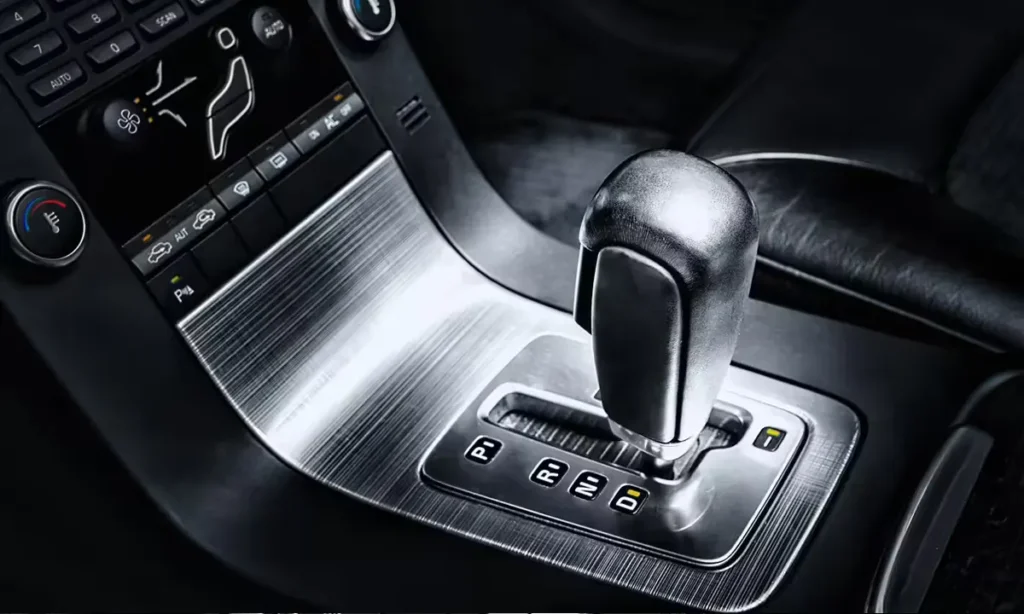
So, is the stick shift actually dead? My honest answer is no, but it has been fundamentally transformed, and understanding that transformation is the key to the whole debate.
The manual is absolutely dead as a mainstream, practical, default technology. It’s finished in economy cars and family sedans, killed first by superior automatics and now, permanently, by the march of hybrids and EVs that it simply cannot coexist with. At under 1 percent of sales, the manual lost the volume war a long time ago, and that’s not coming back. If you’re waiting for stick shifts to return to Corollas and Camrys, let it go.
But the manual is very much alive, even thriving, in the one place it truly belongs: the enthusiast’s garage. When driving joy is the point, buyers choose three pedals at rates of 50, 70, even 90 percent, proving that a passionate, growing, and increasingly young audience will always pay for the privilege of shifting their own gears. The manual survives in spirit even if it can’t survive in volume, and honestly, that niche existence might be the most fitting fate for something that was always about passion over practicality.
Here’s where I land. The automatic won the technical argument, and I won’t pretend otherwise. If you want the fastest, most efficient, most convenient car, buy the automatic and enjoy it with a clear conscience. But if you want to feel something, if you want driving to be a joyful conversation between you and the machine rather than a silent transaction, the manual is worth every extra bit of effort, and it’s more precious now than ever. It didn’t die. It became a deliberate choice, a small act of analog rebellion in an automated world. And if you’ve ever dreamed of owning one, don’t wait. Several icons are taking their final bow in 2026, and this genuinely may be your last chance to buy some of them new. Go drive a stick while you still can. The clutch pedal isn’t dead. It’s just waiting for the people who get it. Long live the manual.