Highest MPG Cars In USA Non-Hybrid 2026. Complete Ranking of Pure Gasoline Efficiency
- Honda Civic leads with 36 MPG combined / 41 MPG highway
- Corolla, Elantra, K4 and Sentra deliver 34–35 MPG
- No hybrid system or charging required
- Lower purchase cost vs hybrid alternatives
- Best fuel-efficient non-hybrid sedans in 2026
Highest MPG Cars In USA Non-Hybrid: The conversation about fuel economy in 2026 is dominated by hybrids, plug-in hybrids and electric vehicles — and with good reason. A Toyota Prius at 57 MPG combined genuinely transforms the annual fuel budget in ways that no purely gasoline-powered car can match. But hybrids carry a purchase price premium of $2,000 to $5,000 over their conventional counterparts, and for a segment of American buyers — those planning shorter ownership periods, those prioritising the lowest upfront cost or those who simply prefer the operational simplicity of a conventional powertrain — the non-hybrid gasoline car remains the most rational choice. The question for those buyers is not whether a hybrid would be more efficient, but which purely gasoline-powered car delivers the most fuel economy without any electrified assistance. This guide answers that question definitively, with every 2026 EPA rating, every annual fuel cost calculation and the honest assessment of what each vehicle delivers beyond its fuel economy number.
The State of Non-Hybrid Fuel Economy in 2026: Setting Expectations
A clear-eyed understanding of what gasoline-only cars can realistically achieve in 2026 is the essential starting point for any non-hybrid fuel economy analysis. The most fuel-efficient non-hybrid car available in the American market tops out at approximately 36 MPG combined, according to EPA data compiled for the 2026 model year. The most efficient non-hybrid highway rating is 41 MPG, achieved by the Honda Civic Sedan in its most efficient configuration. Several other compact and subcompact sedans achieve 34 to 35 MPG combined in their gasoline-only versions.
This ceiling — approximately 35 to 36 MPG combined — is not a failure of engineering ambition. It reflects the fundamental thermodynamic limits of the internal combustion engine without battery assistance and the aerodynamic and weight constraints of vehicles designed for real-world practicality rather than fuel economy optimisation alone. The gap between the best non-hybrid gasoline car at 36 MPG and the Toyota Prius at 57 MPG is real and financially meaningful, but it is also a gap that a buyer can reasonably choose to accept in exchange for a lower purchase price, simpler maintenance and powertrain familiarity.
At 15,000 annual miles and a national average gasoline price of $3.32 per gallon, the annual fuel cost difference between a 36 MPG non-hybrid leader and a 30 MPG class-average non-hybrid is approximately $460 per year. Compared to the 57 MPG Prius, the best non-hybrid car costs approximately $1,073 more in annual fuel — a difference that, against a $4,000 hybrid purchase premium, takes approximately 3.7 years to break even on fuel savings alone.
1. Honda Civic Sedan: The Non-Hybrid MPG Champion at 36 MPG Combined
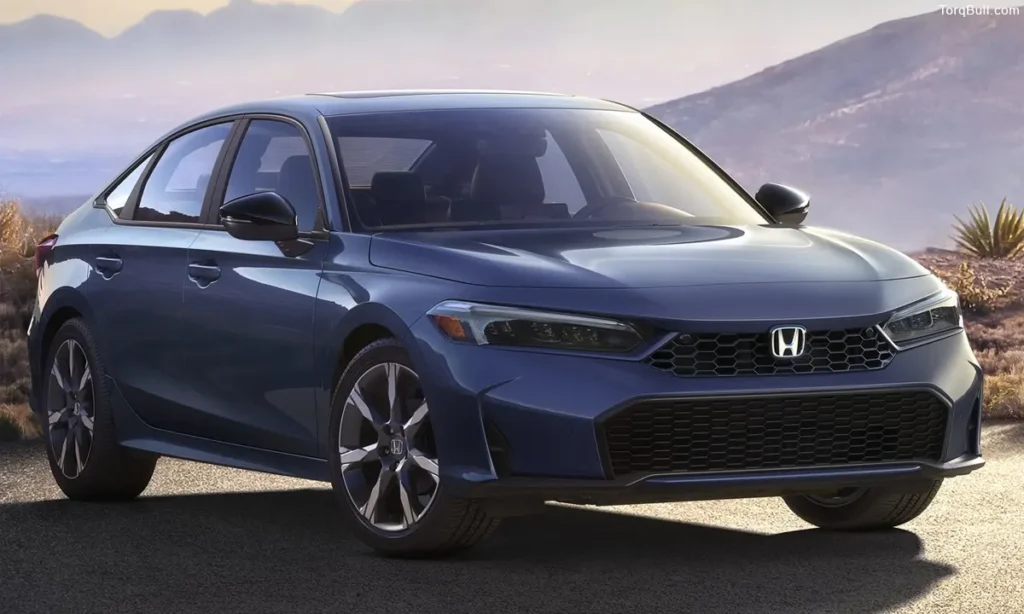
Engine: 2.0L Naturally Aspirated 4-Cyl | MPG: 32 City / 41 Highway / 36 Combined | Starting Price: $25,890 | Range: ~446 miles
The Honda Civic Sedan holds the top position among all non-hybrid, non-plug-in gasoline-only cars in the 2026 American market at 36 MPG combined — the highest combined rating of any purely combustion-powered car available to American buyers this model year. Its highway rating of 41 MPG is the highest highway number in the non-hybrid segment, making it the optimal choice for buyers whose driving patterns favour sustained highway miles over city stop-and-go — precisely the condition under which a gasoline engine’s efficiency advantage over hybrid systems is narrowest, yet the Civic still delivers class-leading numbers.
The Civic’s fuel economy is achieved through a 2.0-litre naturally aspirated four-cylinder of Honda’s K-series lineage — an engine with a decades-long reliability record — paired with a continuously variable transmission calibrated specifically for fuel economy optimisation. The Civic Sedan’s aerodynamic packaging, lighter kerb weight than the hatchback variant and lower rolling resistance tyres on economy-focused trim levels collectively produce the combined economy advantage over the hatchback’s 34 MPG combined.
U.S. News rates the Civic 9.4 out of 10 as a commuter car, praising its all-around excellence, well-designed interior and stellar fuel economy. At $25,890 starting price, it offers the highest non-hybrid fuel economy in the segment without any pricing premium associated with electrification. CarBuzz notes the Civic’s EPA total range of 446 miles from a 12.4-gallon tank — making it one of the longest-range non-hybrid compact cars available, reducing fill-up frequency for weekly commuters.
2. Toyota Corolla: The 35 MPG Reliability Benchmark
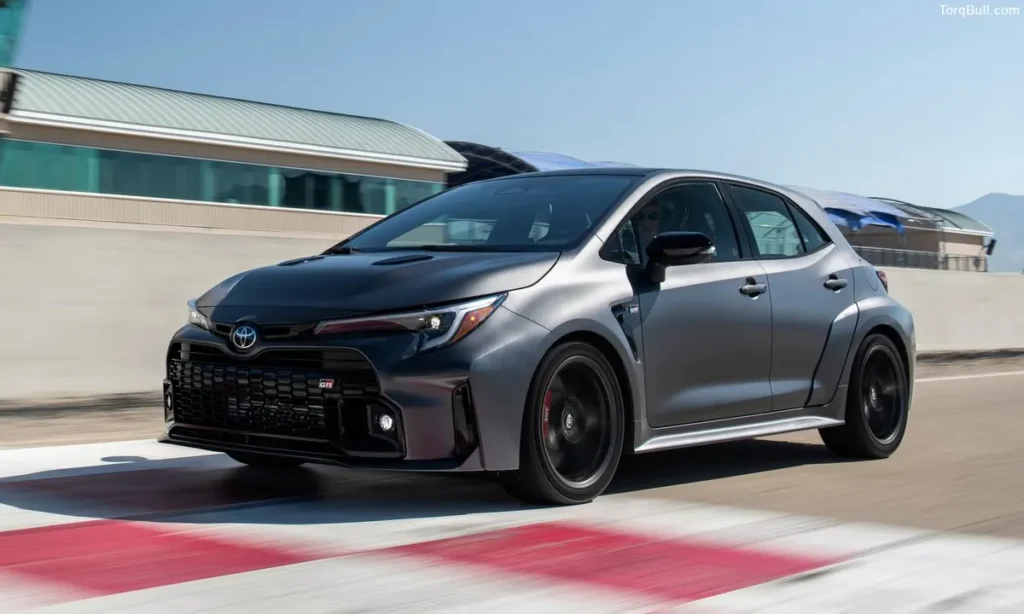
Engine: 2.0L 4-Cyl (Dynamic Force) | MPG: 31 City / 40 Highway / 35 Combined | Starting Price: ~$21,550 | Range: ~420 miles
The Toyota Corolla achieves 35 MPG combined from its 2.0-litre Dynamic Force naturally aspirated four-cylinder — available in both sedan and hatchback body styles at this identical combined figure. CarBuzz identifies the Corolla as “one of the most popular and enduring everyday workhorse cars there has ever been,” and its combination of 35 MPG combined, Toyota’s industry-leading reliability record and the lowest entry price among the top non-hybrid fuel economy performers makes it the strongest value proposition in the segment.
The Corolla’s Dynamic Force engine represents Toyota’s significant investment in improving naturally aspirated combustion efficiency — achieving thermal efficiency ratings that approach hybrid levels compared to conventional gasoline engine benchmarks. The CVT transmission’s calibration has been specifically tuned for maximum fuel economy in everyday driving patterns, and buyers who choose lower trim levels with smaller alloy wheels achieve the combined figure most consistently in real-world conditions. The Corolla Hybrid at approximately $24,000 is available as an alternative for buyers willing to spend modestly more — but the non-hybrid Corolla at $21,550 represents the most affordable route to 35 MPG combined in any new car in the American market.
3. Hyundai Elantra: 35 MPG Combined With Modern Technology
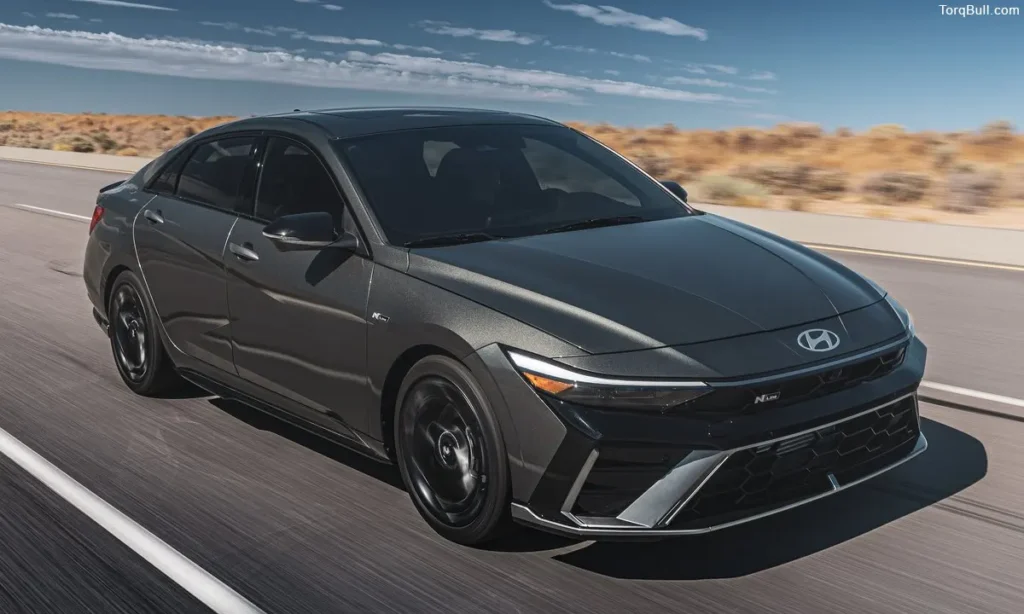
Engine: 2.0L IVT 4-Cyl | MPG: 31 City / 41 Highway / 35 Combined | Starting Price: $23,870
The 2026 Hyundai Elantra achieves 35 MPG combined in its non-hybrid configuration — tied with the Toyota Corolla for the second-highest non-hybrid combined rating — with a highway rating of 41 MPG that matches the Honda Civic’s best highway figure. The Elantra’s 2.0-litre naturally aspirated four-cylinder paired with an Intelligent Variable Transmission delivers this efficiency in a body whose interior quality and technology content consistently earn praise above its price point.
CarBuzz identifies the Elantra’s exterior styling, EPA total range of 434 miles and modern cabin design as differentiating attributes beyond its fuel economy figures. The Elantra’s positioning is as a vehicle that delivers impressive fuel efficiency without appearing to sacrifice on design or technology — appropriate for buyers who want fuel savings alongside a vehicle that does not look or feel like an economy appliance. The non-hybrid Elantra’s 35 MPG combined is particularly notable for buyers in states where the Elantra Hybrid carries a significant over-MSRP premium due to demand, as the price difference between non-hybrid and hybrid can exceed $4,000 while the MPG gain is approximately 19 MPG combined.
4. Kia K4: The Newest Non-Hybrid Efficiency Contender
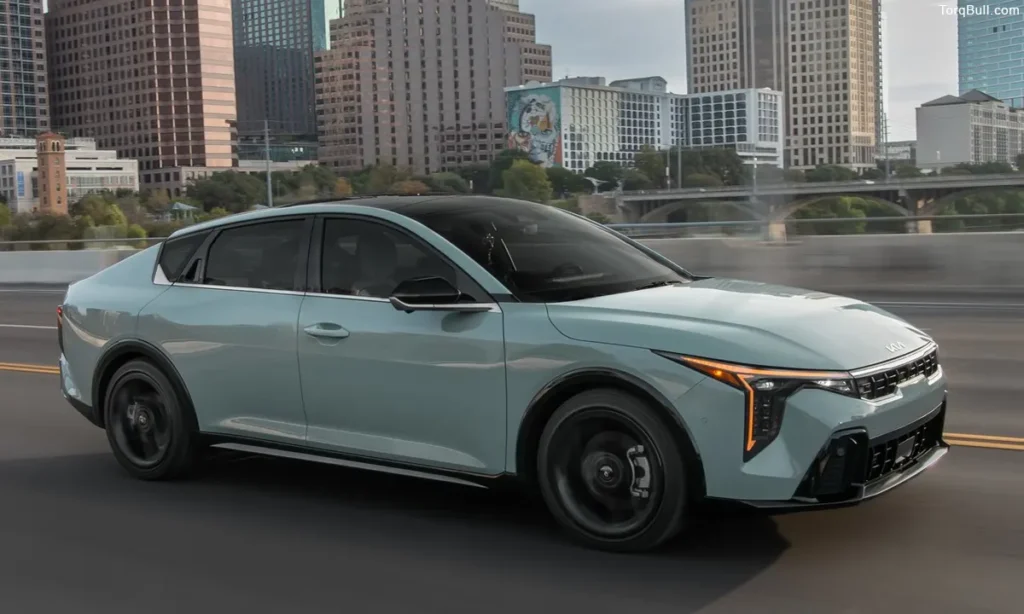
Engine: 2.0L 4-Cyl AVT | MPG: 30 City / 40 Highway / 34 Combined | Starting Price: ~$21,600
The Kia K4 — the successor to the Forte in Kia’s sedan lineup — enters the non-hybrid fuel economy rankings with 34 MPG combined from a 2.0-litre four-cylinder and Automatic Variable Transmission. CarGurus notes its highway rating of 40 MPG places it “right alongside the Sentra and close to the top of the wider non-hybrid field” — a strong performance for a newly introduced nameplate whose powertrain prioritises efficiency alongside the brand’s characteristic value positioning.
The K4’s relevance in the non-hybrid fuel economy ranking is strengthened by Kia’s 10-year, 100,000-mile powertrain warranty — the most comprehensive coverage offered by any mainstream manufacturer — which gives non-hybrid K4 buyers long-term protection comparable to what Kia Hybrid and EV owners receive. For buyers who want strong non-hybrid fuel economy at the lowest possible ownership cost risk, the K4’s combination of 34 MPG combined and industry-leading warranty is genuinely distinctive.
5. Nissan Sentra: The Understated Efficiency Performer
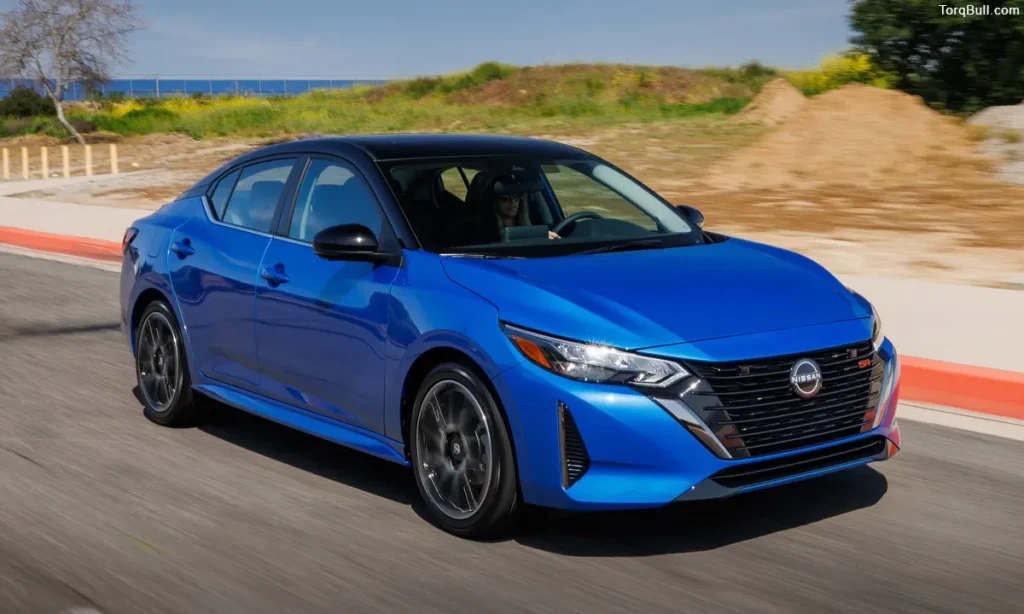
Engine: 2.0L 4-Cyl CVT | MPG: 29–31 City / 37–39 Highway / 33–34 Combined | Starting Price: $23,845
The Nissan Sentra achieves 34 MPG combined in its most efficient trim configuration — 31 city and 39 highway — with lower trim levels returning 30 MPG city and 37 MPG highway at 33 MPG combined. CarBuzz describes the Sentra as a vehicle that brings “a sense of calm” to the compact sedan segment, noting its 422-mile EPA range, composed ride quality and more mature presentation than some direct competitors. The Sentra’s 2.0-litre engine and CVT focus squarely on smooth, efficient commuting in a segment where many rivals have moved toward more dynamic but slightly less economical configurations.
The Sentra’s value as a non-hybrid fuel economy vehicle is its combination of efficiency, highway range and a pricing structure that keeps it within the mainstream compact sedan segment — starting at $23,845 and topping out at $29,235 — while delivering fuel costs that trail only the top performers in its category.
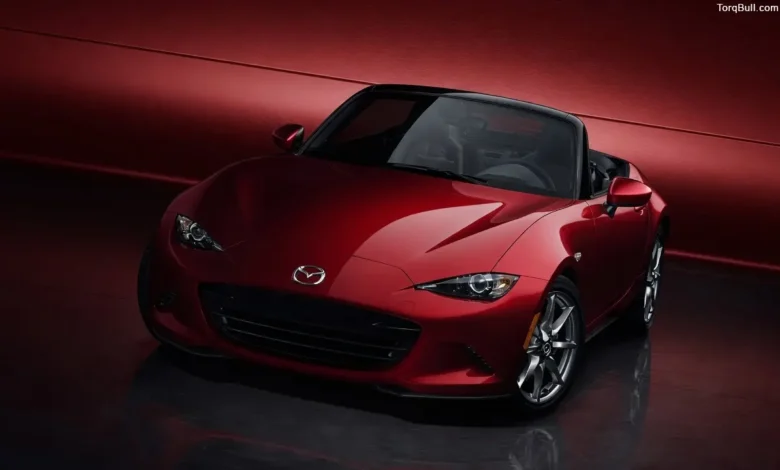
6. Toyota GR86 and Mazda MX-5 Miata: Efficiency From Sports Cars
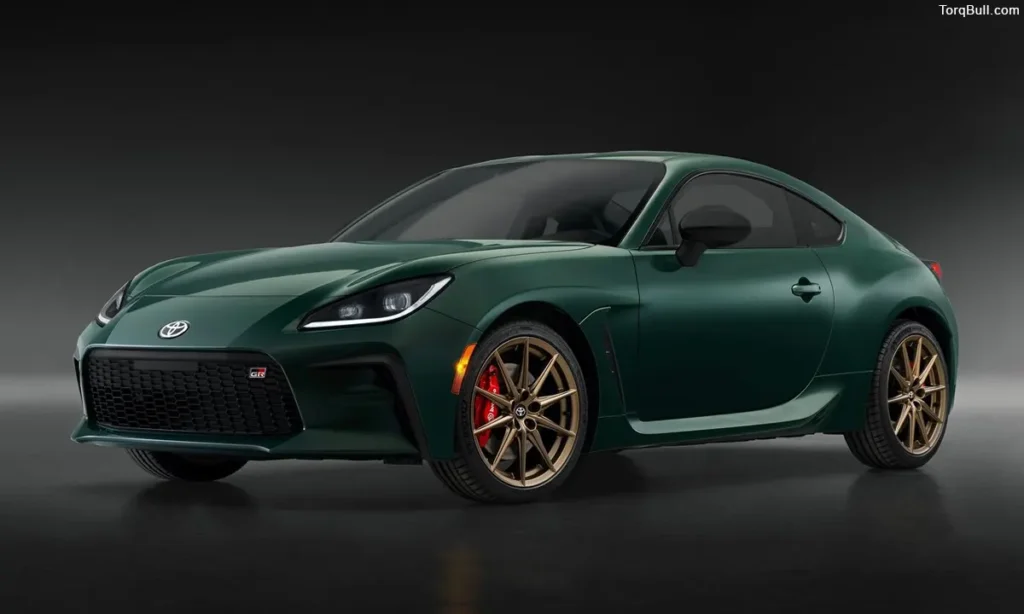
GR86: 21 City / 32 Highway / 25 Combined | MX-5 Miata: 26 City / 34 Highway / 29 Combined
Two notable non-hybrid performers outside the compact sedan category — the Toyota GR86 sports coupe and the Mazda MX-5 Miata roadster — achieve fuel economy figures that compare favourably to some mainstream crossovers while delivering an entirely different driving experience. The MX-5 Miata at 29 MPG combined is the most fuel-efficient two-seat sports car in the American market without electrification. The GR86 at 25 MPG combined is modest for its price tier but competitive for a naturally aspirated rear-wheel drive sports coupe. Both demonstrate that non-hybrid fuel efficiency is not exclusively the domain of econobox sedans.
Read: Best Commuter Cars for Gas Savings In 2026. Maximum MPG, Minimum Cost, Complete Rankings
Highest MPG Non-Hybrid Cars in the USA 2026 — Complete Ranked Chart
| Rank | Car | Engine | City MPG | Highway MPG | Combined MPG | Starting Price | Annual Fuel Cost* |
| 1 | Honda Civic Sedan | 2.0L 4-Cyl | 32 | 41 | 36 | $25,890 | ~$1,383 |
| 2 | Toyota Corolla | 2.0L 4-Cyl | 31 | 40 | 35 | ~$21,550 | ~$1,423 |
| 2 | Hyundai Elantra | 2.0L 4-Cyl | 31 | 41 | 35 | $23,870 | ~$1,423 |
| 4 | Kia K4 | 2.0L 4-Cyl | 30 | 40 | 34 | ~$21,600 | ~$1,465 |
| 4 | Nissan Sentra | 2.0L 4-Cyl | 31 | 39 | 34 | $23,845 | ~$1,465 |
| 6 | Volkswagen Jetta | 1.5L Turbo 4-Cyl | 29 | 40 | 34 | ~$22,775 | ~$1,465 |
| 7 | Kia Soul | 2.0L 4-Cyl | 28 | 33 | 30 | ~$21,000 | ~$1,660 |
| 8 | Mazda MX-5 Miata | 2.0L 4-Cyl | 26 | 34 | 29 | ~$31,000 | ~$1,717 |
| 9 | Toyota GR86 | 2.4L 4-Cyl | 21 | 32 | 25 | ~$31,000 | ~$1,992 |
| 10 | Honda Civic Hatchback | 1.5L Turbo | 30 | 38 | 34 | ~$28,000 | ~$1,465 |
Annual fuel cost calculated at $3.32 per gallon, 15,000 miles per year.
Read: Hybrid Cars With Lowest Maintenance Costs In USA. Complete 2026 Guide
Why the Non-Hybrid Still Makes Sense in 2026
The case for choosing a non-hybrid gasoline car in 2026 is not that it is more fuel-efficient than a hybrid — it is not. It is that for specific buyer profiles and usage patterns, the conventional gasoline car’s advantages in purchase price, operational simplicity and maintenance familiarity produce a total ownership cost that is competitive with or superior to the hybrid alternative across a realistic ownership period.
The buyer who plans to own the vehicle for three years or fewer will almost never break even on the hybrid’s fuel savings relative to its purchase premium. At $1,073 in additional annual fuel cost for the non-hybrid leader versus the Prius, and a $4,000 typical hybrid premium, the break-even requires roughly 3.7 years — meaning a three-year owner spends less total on the non-hybrid Civic than on the Prius. The buyer who drives fewer than 10,000 miles annually sees the hybrid’s annual fuel saving shrink to approximately $700 or less, extending the break-even beyond five years. And the buyer who values the simplicity of a conventional powertrain — no battery concerns, standard oil-based maintenance, familiar service at any shop — finds that the non-hybrid compact sedan’s 34 to 36 MPG combined is a fully adequate answer to fuel cost management without any of the complexity that electrification introduces.
The Honda Civic Sedan remains the definitive non-hybrid fuel economy choice for buyers who have evaluated these trade-offs and chosen the gasoline-only path. Its 36 MPG combined is the highest available, its 41 MPG highway is the segment’s best, its reliability record is excellent, its cabin quality is above average for its price and its $25,890 starting price positions it below the premium at which most competitive hybrid alternatives begin. For pure gasoline buyers in 2026, it is the benchmark by which every other non-hybrid fuel economy claim should be measured.