- Positive long-term testing feedback from Edmunds
- Rough first-gear shifts reported when cold
- Loud four-cylinder engine under load
- City fuel economy can drop to ~13.5 MPG
- Rear seats lack comfort for taller passengers
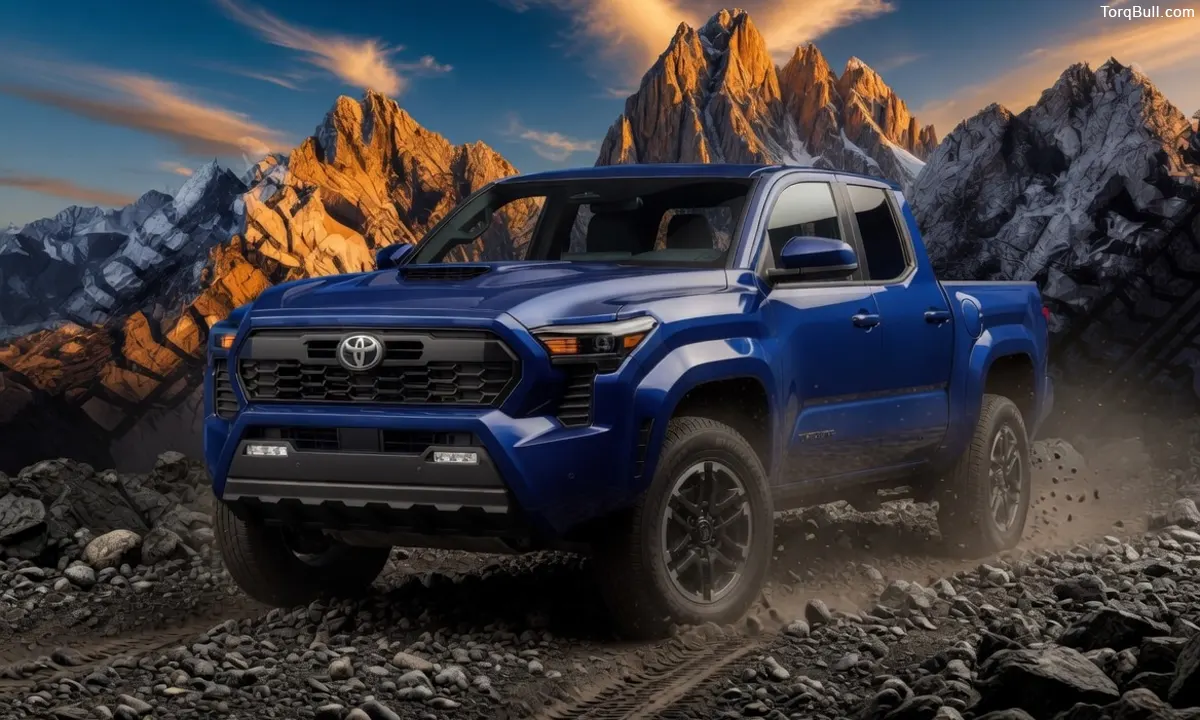
Toyota Tacoma Pros and Cons: The Toyota Tacoma is the best-selling midsize pickup truck in the American market and has been for over two decades. It set a U.S. sales record of 274,638 units in 2025 and enters 2026 with first-quarter sales growth of 15.8 percent year-over-year. JD Power named it the Most Reliable Midsize Pickup for the second consecutive year. KBB has awarded it Best Resale Value in the compact and midsize truck segment for 23 consecutive years. These are extraordinary credentials — and they explain why the Tacoma occupies its market position. But real ownership is a more complex experience than sales records and reliability awards communicate, and the verified owner reviews collected by KBB and Edmunds across the 2024 to 2026 generation tell a story that includes genuine frustrations alongside genuine strengths. This guide documents both completely.
Gallery: Toyota Tacoma
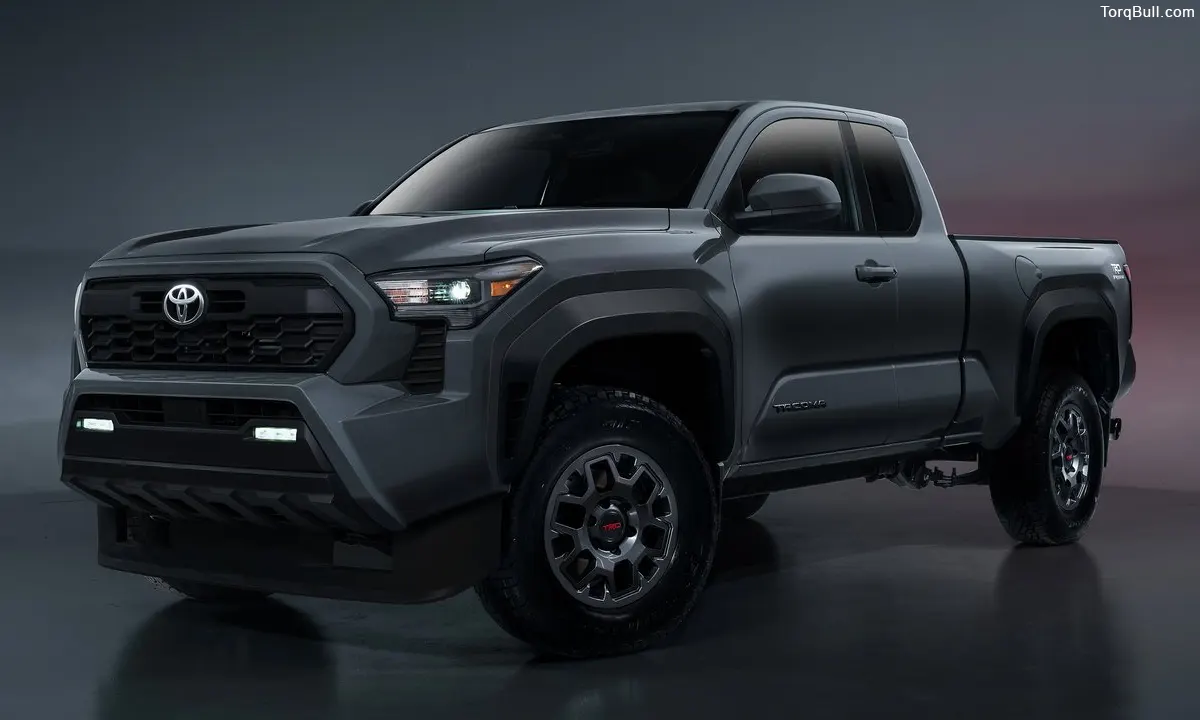
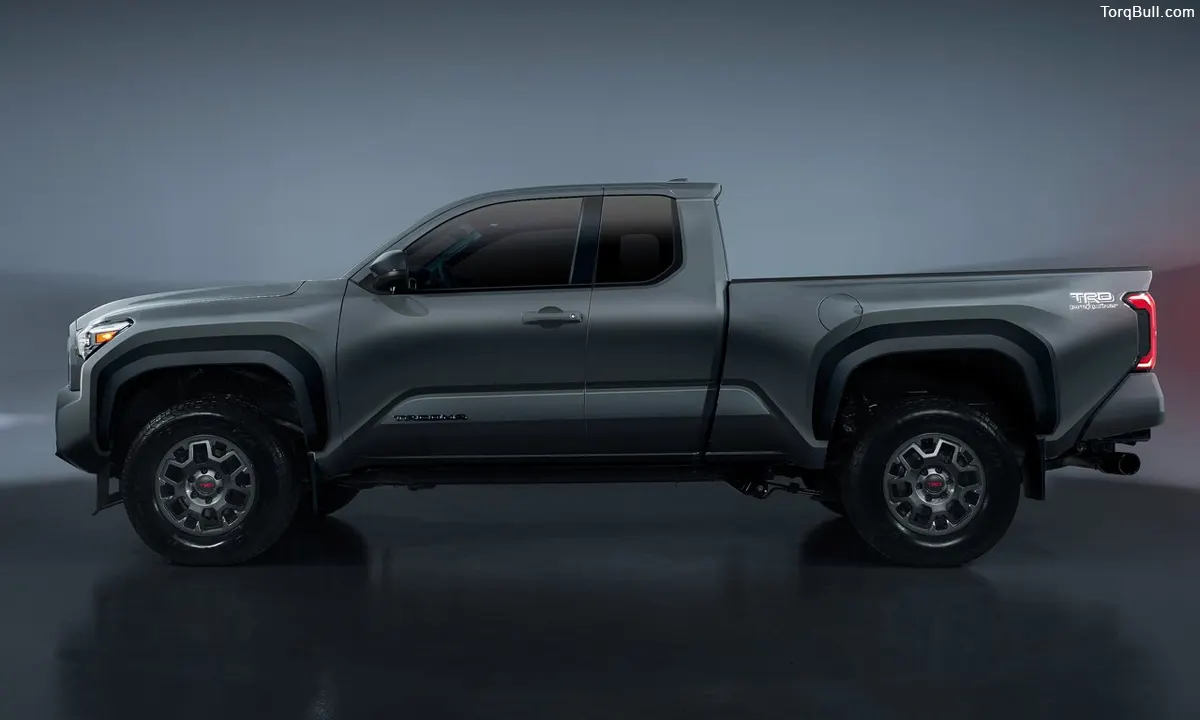
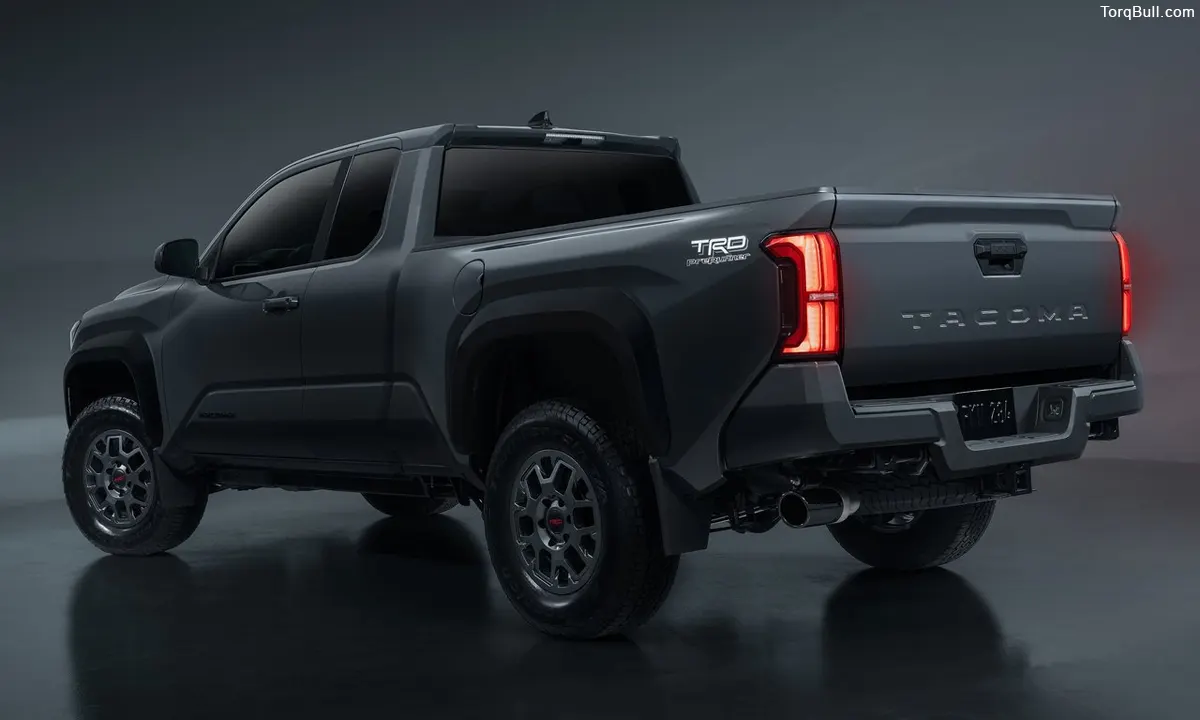
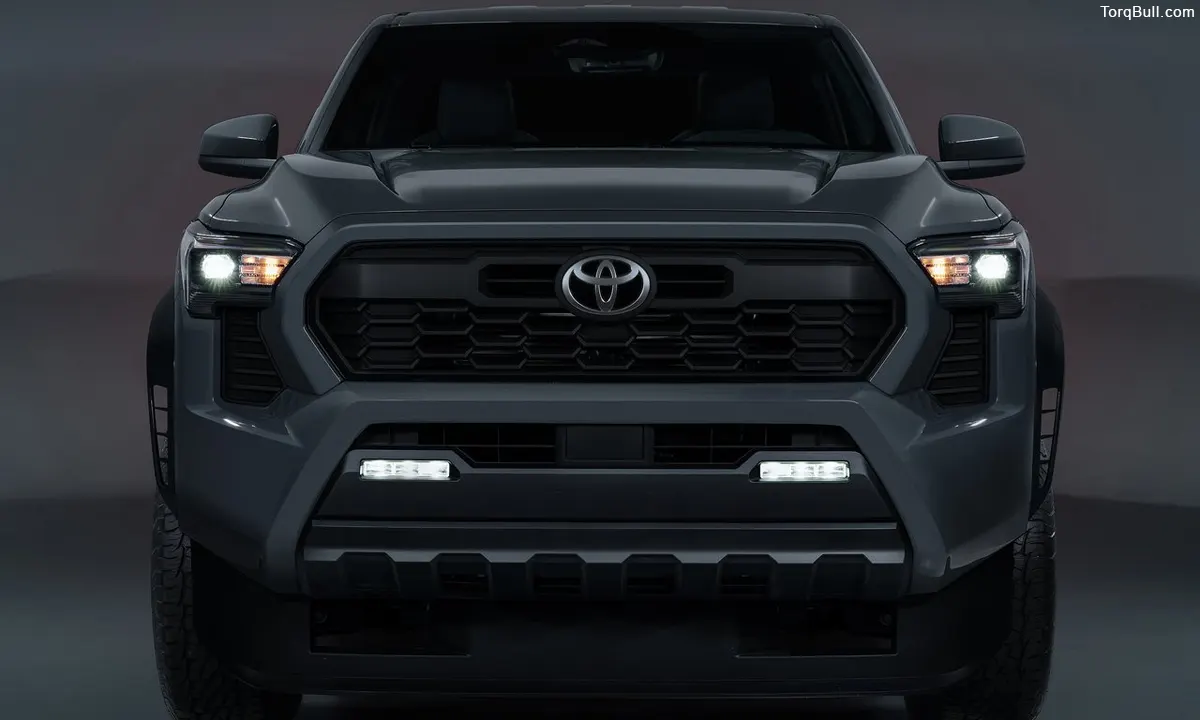
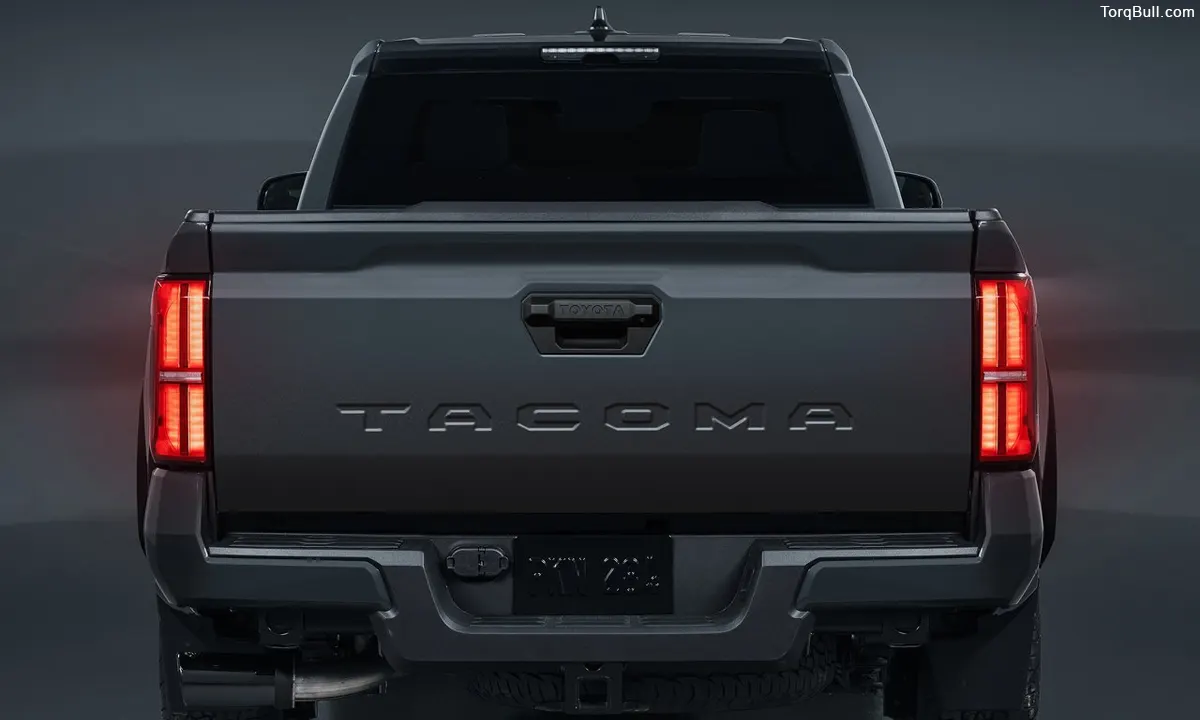
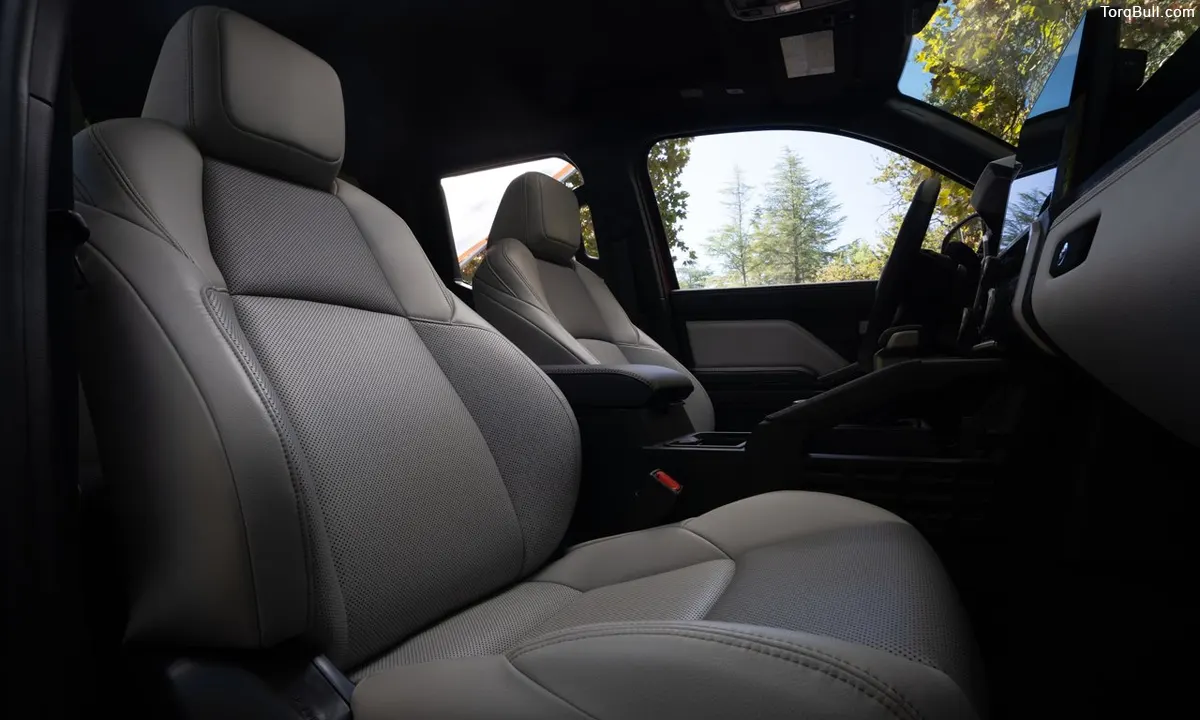
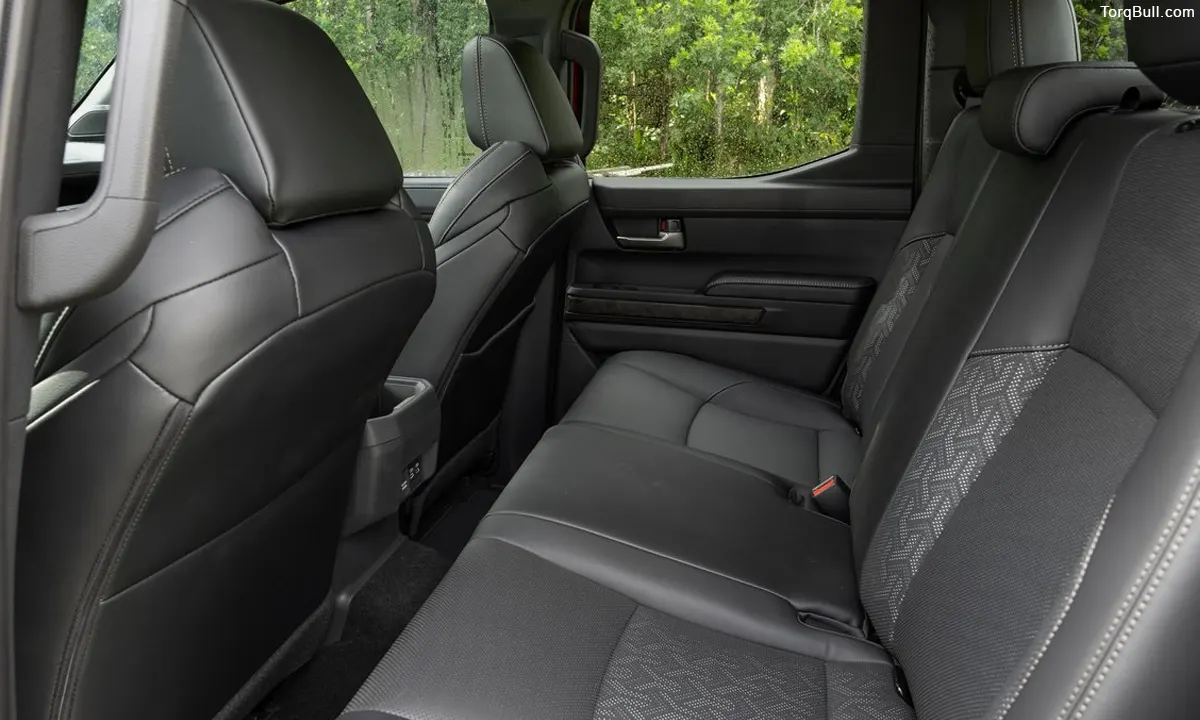
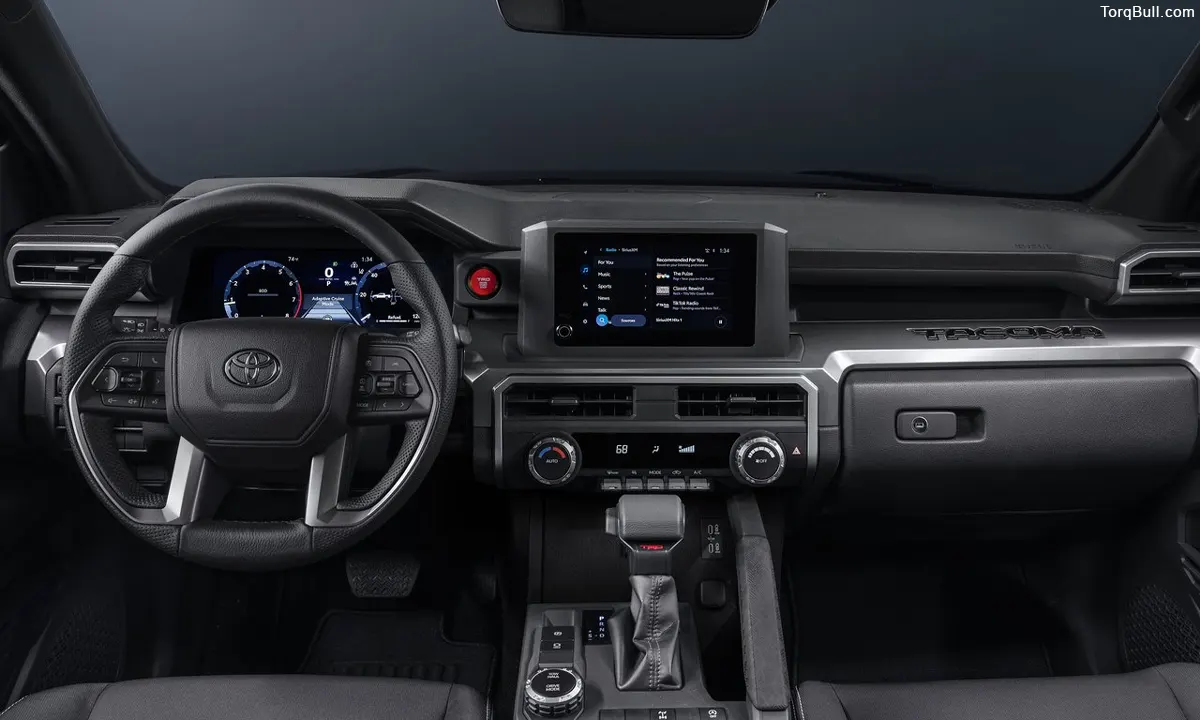
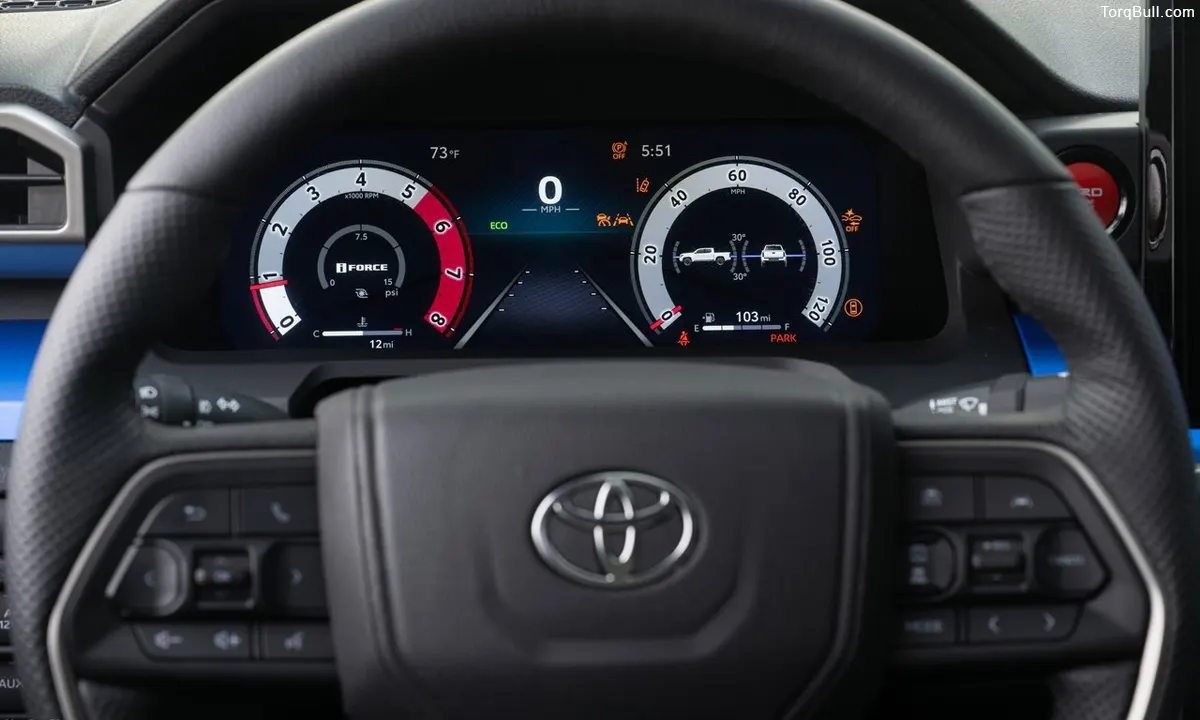
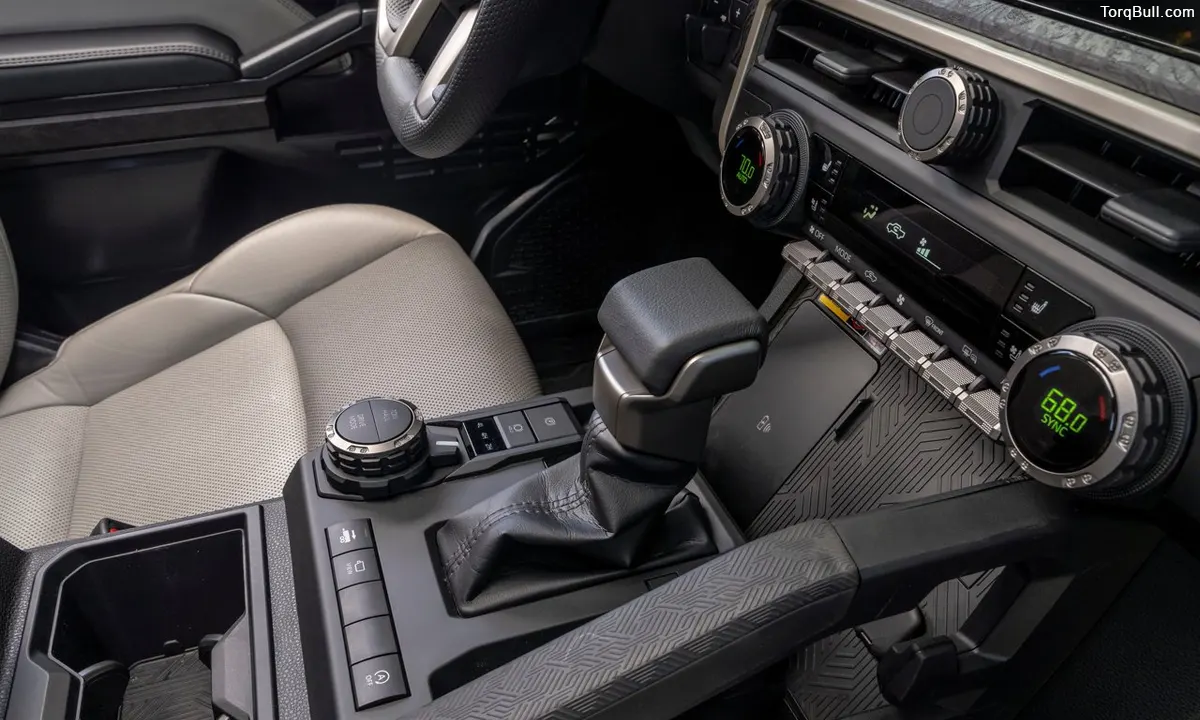
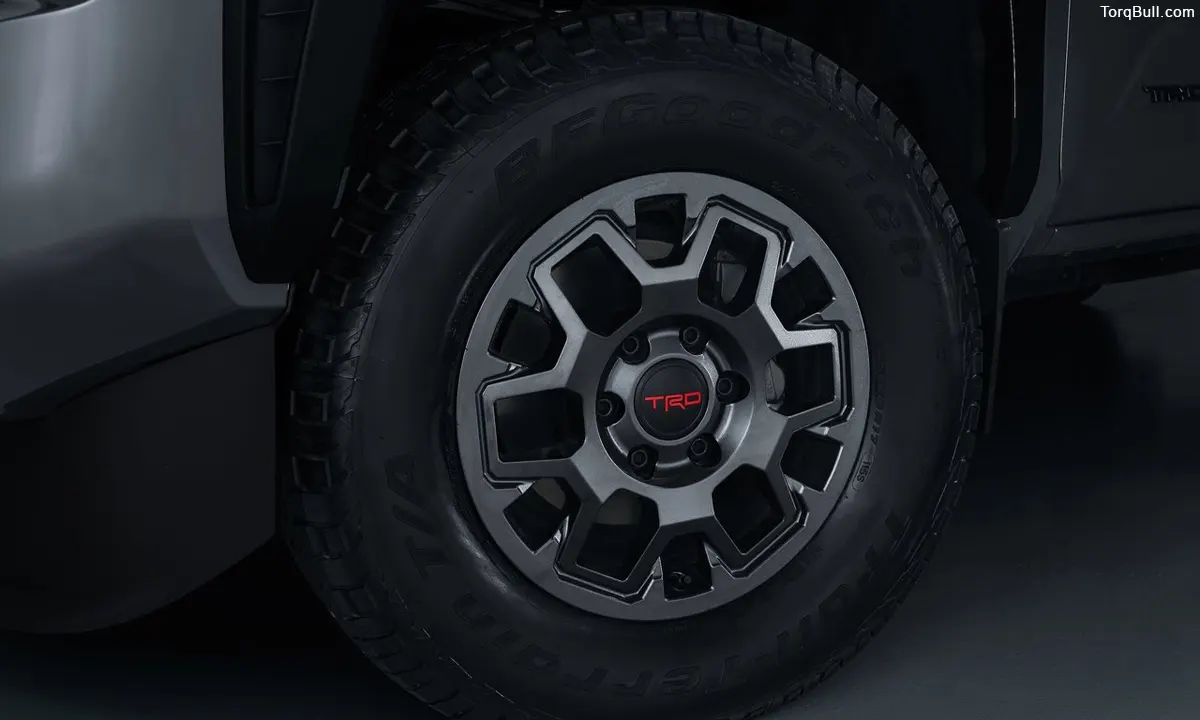
The Real Ownership Context: The 2024 Redesign Changed Everything — Mostly for the Better
Before examining specific pros and cons, the generational context matters enormously. The 2024 Tacoma was the most comprehensive redesign the nameplate had received in nearly a decade — new platform based on the Tundra and Sequoia TNGA-F architecture, new turbocharged powertrain replacing the old V6, new hybrid option, new technology suite and a significantly revised interior. Most owner feedback — both positive and critical — reflects this 2024-generation truck, which carries forward nearly unchanged into 2025 and 2026.
Edmunds tested a 2024 Tacoma for a full year and described their conclusion clearly: they loved it. The 2024 redesign brought the truck into the modern age with a roomier cab, noticeably better on-road driving manners and an available hybrid powertrain that transformed the performance and efficiency profile. But the same redesign replaced a proven, naturally aspirated V6 with a turbocharged four-cylinder that has generated the largest volume of owner complaints in the current generation — a trade-off that divides the existing Tacoma community precisely along the lines of what they valued in the previous generation.
Read: Most Fuel Efficient Trucks In USA 2026. Real MPG Numbers, Real Rankings, No Compromises
The Pros: What Real Owners Consistently Praise
Pro 1: Reliability That Independent Data Confirms
The Tacoma’s reliability reputation is its single most powerful and most consistently validated attribute — and for the 2024-generation truck, RepairPal ranks it number one out of eight midsize trucks with a 4 out of 5 reliability rating. JD Power’s 2026 Vehicle Dependability Study awarded it Most Reliable Midsize Pickup for the second consecutive year, with no competing model in the segment scoring at or above the segment average. The 2026 model carries no active recalls. One owner reviewing the 2024 SR5 described the platform as looking “fairly straightforward to maintain” under the hood — noting the traditional oil pump, air-to-air intercooler and accessible spark plug positioning as specific indicators of engineering designed with serviceability in mind. Multiple owners who have transitioned from the third-generation Tacoma describe the fourth-generation as continuing the reliability legacy they trusted across previous ownership periods.
Pro 2: Resale Value That Directly Protects the Investment
No truck buyer’s pro-and-con assessment is complete without acknowledging the Tacoma’s documented resale value advantage — because it changes the total cost of ownership calculation fundamentally. KBB projects five-year depreciation of approximately $13,238 on a Tacoma purchased in the low-to-mid $30,000 range — a retention rate that consistently outperforms every competing midsize truck. An owner who sells a three to four-year-old Tacoma in good condition routinely recovers a larger proportion of their purchase price than any competing truck owner at equivalent mileage and condition. This resale strength has a specific practical consequence: good-condition used Tacomas are expensive precisely because the market demands them, and the owner who decides to sell after four years of ownership loses less money than they would with any alternative in the segment.
Pro 3: Off-Road Capability in TRD Trims
The Tacoma TRD Off-Road and TRD Pro represent the most purpose-built factory off-road package available in the midsize segment — a category where the truck’s dominance is least contested. The TRD Off-Road includes a locking rear differential, multi-terrain select driving modes, crawl control, front and rear skid plates and all-terrain tyres. The TRD Pro adds Fox shocks and an electronically controlled front stabilizer bar disconnect that increases front wheel travel with a single button press — allowing the suspension to better conform to uneven terrain in a way that no competing midsize truck provides from the factory. Multiple TRD Pro owners report genuine trail capability that requires expensive aftermarket modification on competing platforms. One owner’s description captures the broader community sentiment: the TRD Pro delivery at the dealership was sufficiently compelling that they abandoned their intention to buy the TRD Off-Road and upgraded on the spot.
Pro 4: Modern Technology That Genuinely Works
The 2024 redesign’s technology package addressed one of the third-generation Tacoma’s most consistent criticisms — a dated infotainment system that lagged far behind competitors. The current generation offers an available 14-inch touchscreen, wireless Apple CarPlay and Android Auto, multiple USB-C charge ports, adaptive cruise control, automatic emergency braking with pedestrian detection and lane departure alert across all trim levels. One owner who replaced a 2018 Tacoma with the 2024 SR5 specifically highlighted Apple CarPlay as a standout improvement — “a winner” in their words. Edmunds’ assessment of the driver assistance systems praises their calibration as neither overly cautious nor prone to false alarms — a balance that many competing systems fail to achieve. The available 400-watt household power outlet and the 2,400-watt upgrade available with the hybrid powertrain are specific features owners note for their practical utility at worksites and campsites.
Pro 5: Driving Dynamics Noticeably Better Than the Previous Generation
Multiple owners who transitioned from third-generation Tacomas describe the fourth generation’s on-road driving character as a meaningful improvement. One owner who downgraded from a Tundra describes the power as “sufficient” with 19 MPG under heavy-footed driving. Another specifically notes “significantly more power than any other truck in this segment” and praises the ride quality as comfortable. Edmunds’ test of the TRD Sport recorded a 60 mph time of 7.6 seconds — competitive for the segment — with the transmission shifting quickly and smoothly without hunting for gears on hills. The braking is described as responsive with smooth engagement. The steering is light and accurate, and highway manners are good across all trim levels. The 2024 redesign’s platform upgrade from the old Tacoma-specific architecture to the TNGA-F underpinnings shared with the Tundra and Sequoia genuinely improved the driving character that third-generation owners found unrefined.
Read: Why the Ford Ranger XL Is Dominating the Work Truck Segment
The Cons: What Real Owners Consistently Criticise
Con 1: Turbocharged Four-Cylinder Behaviour When Cold
The most consistent and most specific complaint in KBB owner reviews for the 2024 to 2026 Tacoma concerns the turbocharged 2.4-litre four-cylinder engine’s behaviour during cold starts and under specific operating conditions. One owner’s detailed review — submitted after a 5,000-mile service — describes rough shifting in first gear when cold or on uphill grades, excessive engine noise under load and a noticeable rocking sensation when the air conditioning compressor engages. The same owner specifically notes that many fourth-generation Tacoma reviews duplicate these concerns, indicating these are not isolated individual experiences but a pattern present across the early production of this engine in this application.
Owners who compare the fourth-generation turbocharged four-cylinder directly to the third-generation 3.5-litre V6 tend to be the most critical. The V6’s naturally aspirated character — smooth power delivery across the rev range, low-effort responsiveness and a refined sound under load — is what many multi-Tacoma owners specifically valued. The turbocharged four-cylinder’s peak torque delivery occurs higher in the rev range during cold operation, producing a hesitancy and roughness that experienced Tacoma owners interpret as a regression in refinement rather than an acceptable trade-off. It is worth noting that many owners report the behaviour improves significantly after the engine reaches operating temperature, and that owners who have never driven a third-generation Tacoma frequently describe the engine as adequate and responsive without the same specific concerns.
Con 2: Real-World City Fuel Economy That Disappoints
City fuel economy is the area where the real-world Tacoma ownership experience diverges most dramatically from purchase-time expectations — and the divergence is significant. The EPA city rating for the base SR with RWD is 20 MPG. One verified KBB owner review reports city fuel economy of 13.5 to 15 MPG — roughly 25 to 33 percent below the EPA city figure. Highway fuel economy is more consistent with the EPA estimate, with the same owner reporting 22 MPG on the highway, and other owners reporting 23 to 25 MPG on mixed highway driving.
The city fuel economy gap reflects the turbocharged four-cylinder’s specific operating characteristics. The engine’s turbocharger requires time to generate boost pressure from a standing start, causing the engine to work harder at low-speed, high-load situations — precisely the stop-and-go urban driving that the EPA city cycle attempts to capture. In cold weather, this effect is amplified as the engine runs richer and less efficiently during warm-up. Owners who primarily drive in urban environments with frequent stops will consistently see fuel economy at the lower end of the real-world range. Highway-dominant drivers consistently report results approaching or exceeding the EPA estimate. The 18-gallon fuel tank — noted as a specific limitation by one owner — means that poor city fuel economy produces more frequent fill stops than competing trucks with larger tanks.
Con 3: Rear Seat Comfort That Falls Short for Adults
Rear seat accommodation is a structural limitation of the Tacoma’s body dimensions that no trim-level or configuration choice fully resolves. Edmunds’ year-long evaluation specifically notes that taller passengers found the rear seat cushions too low and too short for longer drives — a finding consistent with multiple owner reviews that identify rear seat space as a consistent disappointment. One owner notes that an adjustable seatbelt anchor that sits higher than in previous generations causes discomfort by digging into the leg and stomach on longer drives. The TRD Pro’s large IsoDynamic seat design creates an additional specific limitation — Edmunds notes that these seats almost entirely eliminate third-row legroom. For buyers who plan to regularly transport tall adults in the rear seats, the Tacoma’s rear accommodation should be verified in person through an extended test drive rather than assumed adequate based on external dimensions.
Con 4: High Upper-Trim Pricing That Erodes Value Perception
KBB owners consistently rate value as the Tacoma’s weakest attribute — a finding that reflects the significant price escalation from base to upper trims. The base SR begins at approximately $32,245, but the TRD Pro exceeds $65,000 when fully equipped. A mid-range TRD Off-Road with popular options regularly reaches $48,000 to $52,000. At these prices, the Tacoma competes directly with full-size pickup trucks and, in some configurations, with entry-level premium trucks that offer substantially more cab space, payload and towing capacity. One owner specifically notes that while the Premium Package is worth it, the small fuel tank and constrained rear space are harder to accept at the prices upper-trim Tacomas command.
Read: Why Toyota Hilux Is The Toughest Pickup Truck In The World
Toyota Tacoma Pros and Cons — Real Owner Summary Chart
| Category | Verdict | Real Owner Evidence |
| Reliability | Strong Pro | JD Power #1 midsize pickup 2025 and 2026; no current recalls; RepairPal #1 of 8 |
| Resale value | Strong Pro | 23 consecutive KBB Best Resale Value awards; lowest 5-year depreciation in segment |
| Off-road (TRD trims) | Strong Pro | Stabilizer disconnect unique to segment; locking diff, skid plates, Fox shocks |
| Modern technology | Pro | Wireless CarPlay/Android Auto praised; driver assist well-calibrated per Edmunds |
| On-road driving | Moderate Pro | Better than previous gen; owners note comfortable ride and responsive braking |
| 4-cyl cold start behaviour | Real Con | KBB owners document rough shifting, engine noise and AC compressor judder |
| City fuel economy | Real Con | Owner reports of 13.5–15 MPG city vs 20 MPG EPA; highway more consistent |
| Rear seat comfort | Real Con | Edmunds and multiple owners note cramped conditions for tall adults |
| Upper-trim pricing | Con | TRD Pro exceeds $65K; value rating is lowest owner-scored category |
| Towing capacity | Minor Con | 6,500 lbs maximum; below Frontier (7,150 lbs) and some full-size competitors |
| Long-bed turning radius | Minor Con | Owner note on maneuverability in tight spaces with 6-foot bed |
Who the Tacoma Serves Best — and Who Should Look Elsewhere
The owner review data and professional testing together produce a clear picture of the buyers for whom the Tacoma is an excellent purchase and those for whom its specific limitations make a competing truck more appropriate.
The Tacoma is genuinely excellent for buyers who prioritise long-term reliability over everything else, who plan to own the truck for five or more years where the resale value advantage produces meaningful financial return, who need genuine off-road capability in TRD Off-Road or TRD Pro specification and who are comfortable with the turbocharged four-cylinder’s behaviour profile — which the majority of owners who have not previously owned a Tacoma V6 accept without the specific frustration that multi-generation Tacoma owners express.
The Tacoma is a less compelling choice for urban-dominant drivers whose real-world city fuel economy will consistently disappoint relative to the EPA estimate, for buyers who need to regularly seat tall adults in the rear seats with full comfort, for buyers who prioritise maximum towing capacity where the Nissan Frontier at 7,150 pounds leads the segment and for buyers whose budget peaks in the mid-$30,000 range where the Frontier’s lower starting price provides more truck per dollar without the Tacoma’s resale and reliability advantages.
Edmunds’ year-long conclusion remains the most balanced available: they loved the 2024 Tacoma through a full year of real-world use, finding its strengths — reliability, off-road capability, technology and improved on-road refinement — outweighing the limitations that real owners document. The KBB owner community’s 68 percent recommendation rate, while meaningful, reflects a more divided ownership experience than the sales numbers alone suggest — and the specific pattern of complaints is worth understanding before purchase rather than discovering after.