If you’ve shopped for an EV lately, you’ve been hit with the buzzwords: “800-volt architecture,” “10 to 80 percent in under 20 minutes,” all delivered with the swagger of a spec that supposedly changes everything. Meanwhile, some of the best-selling, best-driving EVs on the road, every single Tesla among them, quietly run on old-school 400 volts and do just fine.
So what gives? Is 800V a genuine breakthrough or clever marketing? Does doubling the voltage really double the speed? And most importantly, which one should you actually buy?
Here’s the honest answer up front: there’s no universal winner, because the right choice depends entirely on how you charge and how you drive. But there’s a clear winner for you specifically, and by the end of this you’ll know exactly which camp you belong in. Let me break down the speed, the cost, and the real verdict.
First, the Physics (It’s Not What You Think)
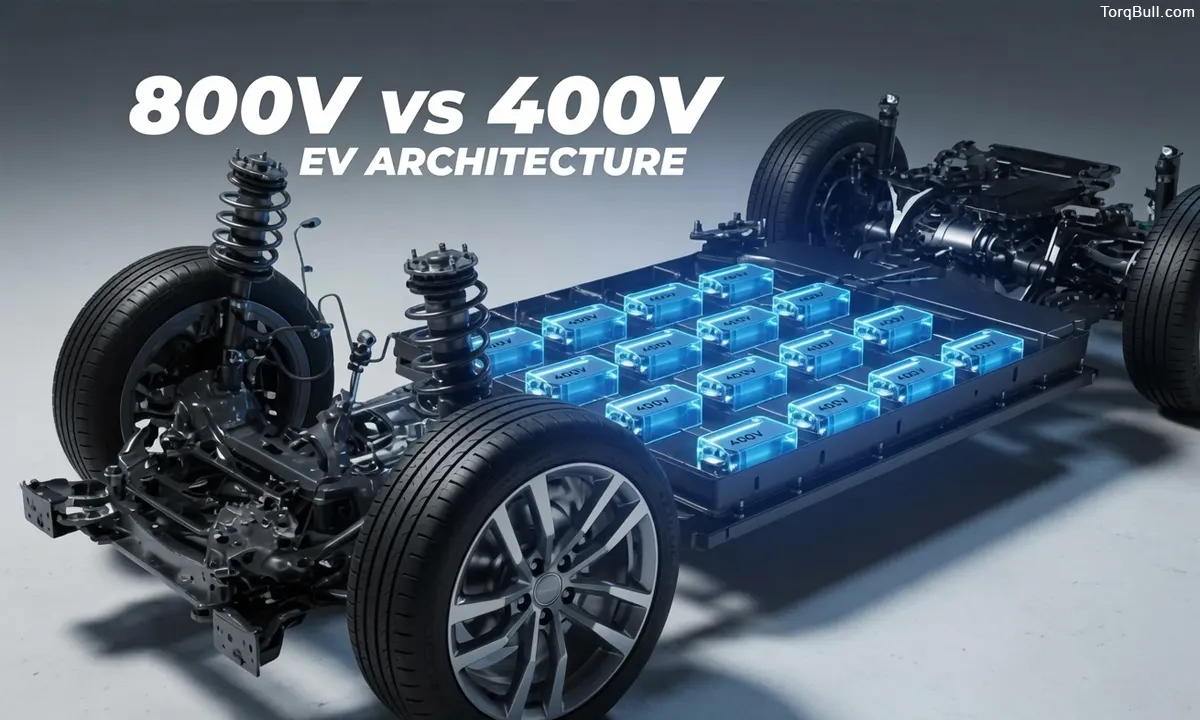
Let’s kill the biggest myth right away. Doubling the voltage does not simply double the charging speed. The relationship is more clever than that. Electrical power is voltage multiplied by current, so if you double the voltage, you can deliver the same power using half the current.
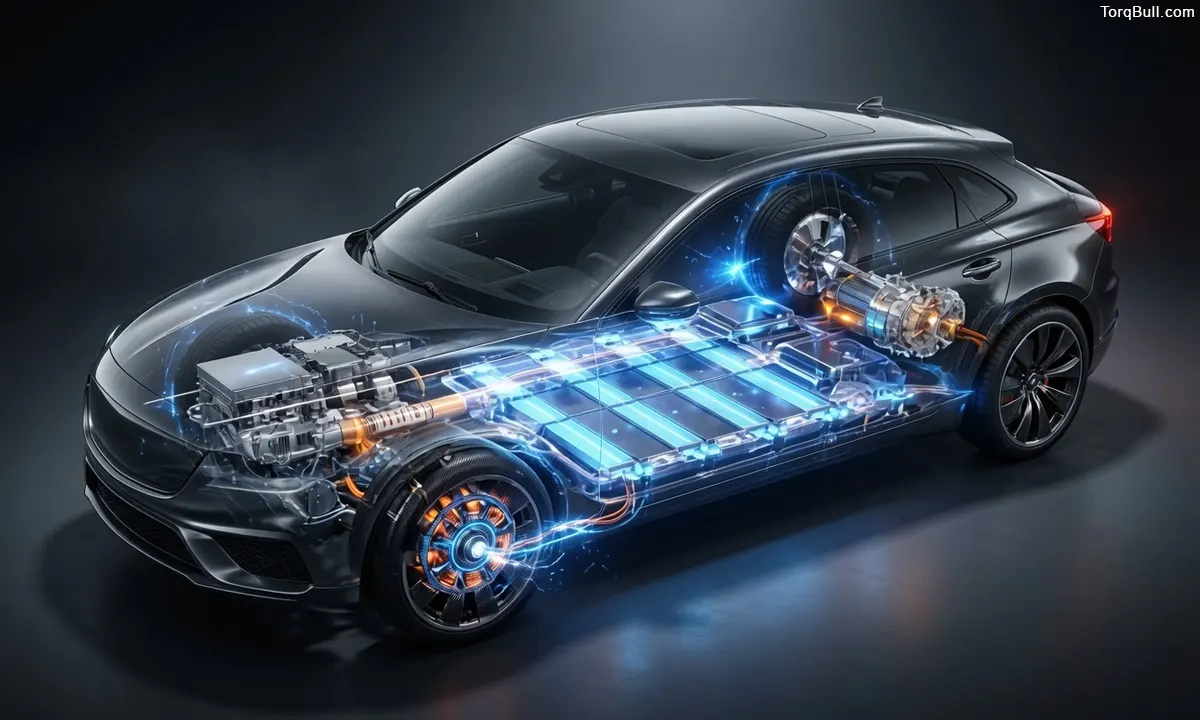
Why does halving the current matter so much? Heat. Resistive energy loss scales with the square of the current, so cutting current in half slashes heat loss by roughly 75 percent. Less heat means the system can push far more power without cooking itself, plus it allows thinner, lighter cables. So 800V’s real advantage isn’t magic voltage, it’s the ability to charge at very high power without the thermal throttling that forces 400V systems to slow down. That’s the whole ballgame, and it drives everything that follows.
Round One: Speed (800V Wins Clearly)
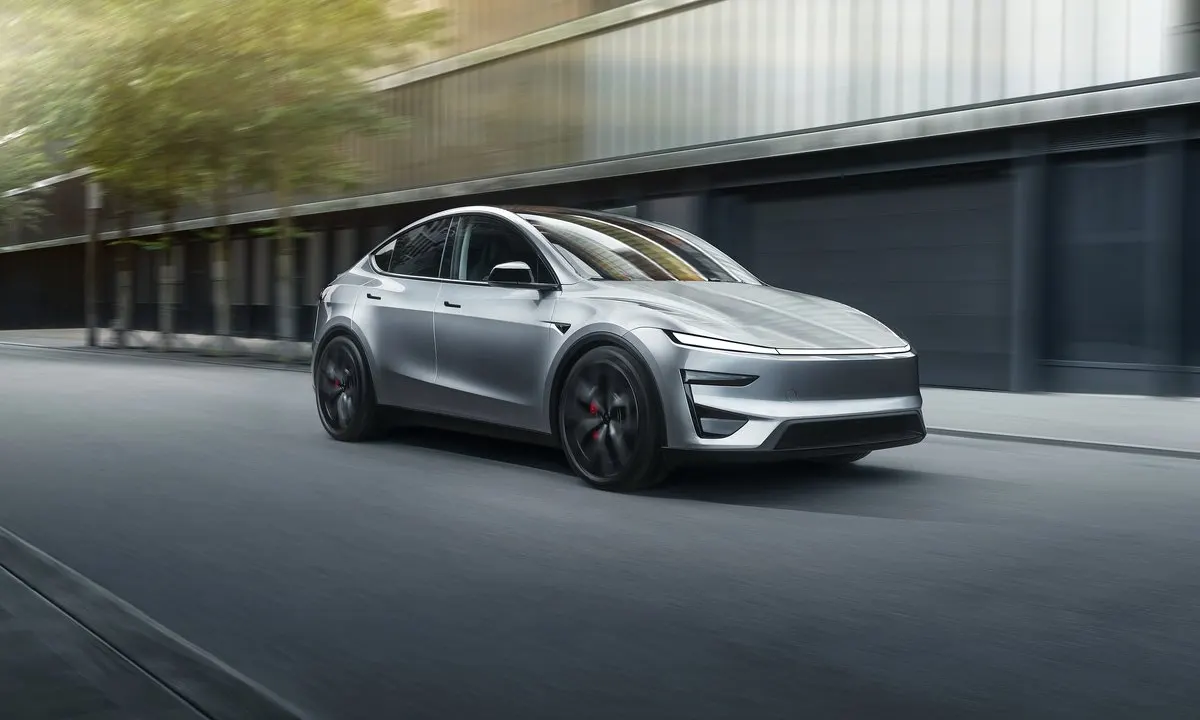
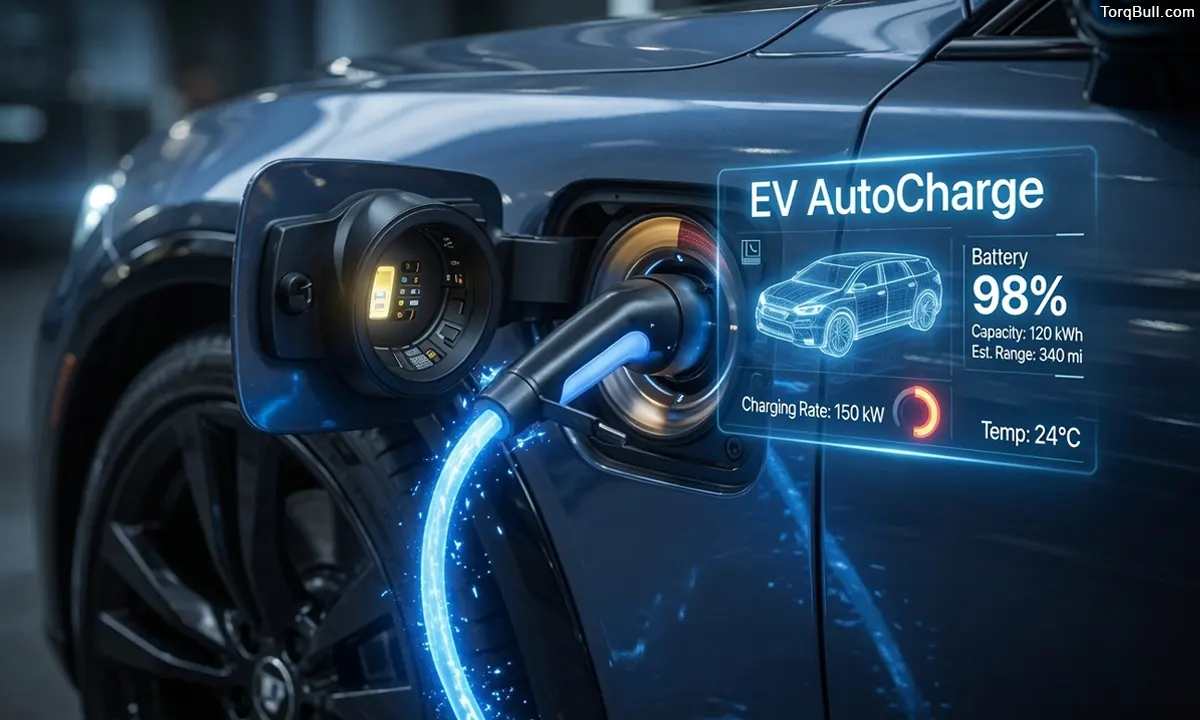
On pure charging speed at high-power stations, this isn’t close. At a 350kW DC fast charger, an 800V vehicle absorbs 200 to 240kW, while a 400V vehicle at the very same charger is typically capped at 100 to 150kW. That gap shows up dramatically in the real world.
The practical result is stark. 800V SUVs add 150 to 180 miles of range in 15 minutes at high-power stations, while 400V vehicles add just 70 to 100 miles in the same window. The 800V cars on Hyundai and Kia’s E-GMP platform, the Ioniq 5, Ioniq 6, and EV6, complete a 10 to 80 percent charge in around 18 minutes, whereas most 400V competitors need 30 to 45 minutes for the same top-up. Scale that up and it’s genuinely meaningful: on a 1,200-mile road trip with three charging stops, 800V saves you 30 to 75 fewer minutes standing at chargers. That’s not a spec-sheet number, that’s real time back in your day.
Round Two: Cost (400V Wins)
Here’s where the older technology strikes back, and it matters for your wallet. The main advantage of 400V architecture is cost, because as an older and more proven technology, its component costs have fallen thanks to a mature supply chain and economies of scale.
800V systems demand pricier, higher-spec components, including advanced silicon-carbide semiconductors, to handle the higher voltage safely. That premium gets baked into the sticker price. So if two otherwise-similar EVs differ mainly in voltage architecture, the 400V one will typically be cheaper. For budget-focused buyers, that’s a real point in 400V’s favor, even as 800V costs steadily fall with scale.
Round Three: Efficiency and Durability (800V Wins)
Beyond raw charging speed, 800V carries quieter advantages. Higher voltage means lower current for the same power, which leads to lower resistive losses, so 800V systems run more efficiently and cooler. That translates to slightly better highway range and less thermal stress on the battery over time, which can help long-term durability. 400V systems, by contrast, are generally less efficient at high power outputs due to those increased resistive losses. It’s not a dramatic gap, but it tilts toward 800V.
Round Four: Infrastructure (It’s Complicated)
Now the wrinkle that undercuts 800V’s speed advantage in practice. The existing public charging network was primarily designed for 400V systems, and while an 800V vehicle can absolutely use a 400V charger, it must rely on an onboard DC-DC boost converter, with charging speed limited by the station’s lower output. In other words, your 800V superpower only activates at genuine high-power stations, 350kW-class chargers that are growing fast but still in the minority.
So if your local fast chargers max out at 150kW, your fancy 800V car charges no faster than a 400V one there. The architecture is only as good as the plug you can find.
The Tesla Exception You Can’t Ignore
Here’s the plot twist that embarrasses a lot of spec-sheet snobbery. Tesla runs 400V, yet its cars often road-trip better than other 400V rivals, and sometimes rival the 800V experience, for one reason: the network. Tesla Superchargers deliver consistent peak power at high uptime and density, so a 400V Tesla reliably pulls 250kW at a plug that actually works, while an 800V car may be hunting for a rare, occasionally-broken 350kW station.
This is the crucial real-world lesson: network reliability and density can matter as much as peak voltage. A theoretically faster 800V car stuck at a flaky 150kW charger loses to a 400V Tesla humming along on a dependable Supercharger. Peak numbers are only half the story.
Read: Wireless EV Charging Roads: Brilliant Tech or Billions Wasted?
How They Stack Up
Here’s the head-to-head at a glance.
| Factor | 800V | 400V |
| Peak fast-charge speed | 200 to 240kW+ | 100 to 150kW |
| Miles added in 15 min | 150 to 180 | 70 to 100 |
| 10 to 80% time | ~18 min | 30 to 45 min |
| Upfront cost | Higher | Lower |
| Efficiency/cooling | Better | Good |
| Infrastructure fit | Needs 350kW stations | Works everywhere |
| Home charging | Same experience | Same experience |
| Examples | Ioniq 5/6, EV6, Taycan, Macan EV | Tesla, Equinox EV, ID.4, Mach-E |
The Home-Charging Truth That Changes Everything
Before you obsess over voltage, ask yourself the single most important question: do you charge at home? Because for daily drivers who plug in overnight on a Level 2 charger, the 800V versus 400V difference is small to irrelevant. You wake up to a full battery either way, since home AC charging speed depends on your car’s onboard charger and your home circuit, not the drive battery’s voltage architecture.
The 800V advantage lives almost entirely on DC fast charging, which is a road-trip tool. So if you rarely fast-charge, you’re paying extra for a benefit you’ll seldom feel. The voltage badge is a road-trip feature masquerading as a universal one.
Who Should Buy Which
Buy 800V if you road trip regularly or rely on public fast charging. If you hit the highway more than a couple of times a year, 800V architecture should be a hard filter in your search, because those saved minutes at chargers add up to a genuinely better long-distance experience, and you’ll enjoy the efficiency and future-proofing too. The Ioniq 6, Ioniq 5, and EV6 are the value champions here, delivering 800V speed under $55,000.
Buy 400V if you charge at home and mostly drive locally, or if you want to save money. For the home-charging daily commuter, 400V is a perfectly smart, cost-effective choice, and you’ll rarely notice the difference. And if you road trip but prize network reliability above peak kilowatts, a 400V Tesla on the Supercharger network remains one of the best real-world road-trip EVs you can buy, despite the “lower” voltage.
Verdict: 800V Wins the War, but the Real Winner Is You
So who takes the crown, 800V or 400V? On pure engineering merit, 800V wins, and it’s the future. It charges dramatically faster at high-power stations, runs cooler and more efficiently, stresses the battery less, and it’s steadily getting cheaper as it spreads into affordable models. The entire industry is transitioning from 400V toward 800V and beyond, and if you want the superior architecture and the most future-proof car, 800V is the answer. That war is being won.
But here’s the honest twist that the spec-sheet crowd misses: 400V is not the loser it looks like on paper, and for a huge number of drivers it’s actually the smarter buy right now. If you charge at home and drive mostly local, you’ll almost never feel the 800V advantage, so paying a premium for it makes little sense, and 400V saves you money. And thanks to Tesla’s reliable, dense Supercharger network, a 400V Tesla can deliver a better real-world road-trip experience than an 800V car that can’t find a fast enough plug. Infrastructure and reliability, not just voltage, decide how good your charging life actually feels.
So the real winner isn’t a voltage. It’s the buyer who chooses based on their actual driving, not the badge. Road trip often and want the best tech? Get 800V and enjoy those shorter stops. Charge at home and watch your budget? Buy 400V with total confidence and pocket the savings. Value a bulletproof charging network above all? A 400V Tesla still makes brilliant sense. Match the architecture to how you really live with a car, and whichever voltage you pick, you’ll have chosen right. That’s the winning move, and it has nothing to do with bragging rights.