Let me tell you about the electric car dream, because the sales pitch is so smooth you could skate on it. Never pay for gas again. No more oil changes. You’re saving the planet and your wallet. It is a beautiful, clean, silent utopia, and honestly, big chunks of it are real.
But then reality shows up, and sometimes it hits hard. Picture a guy who buys a shiny new EV, bragging about his free commute. Six months later his first insurance renewal arrives and the price has nearly doubled. Then he hits a pothole, and the replacement tire, thanks to its special foam lining and load rating, costs almost $400. Suddenly the free car is not so free.
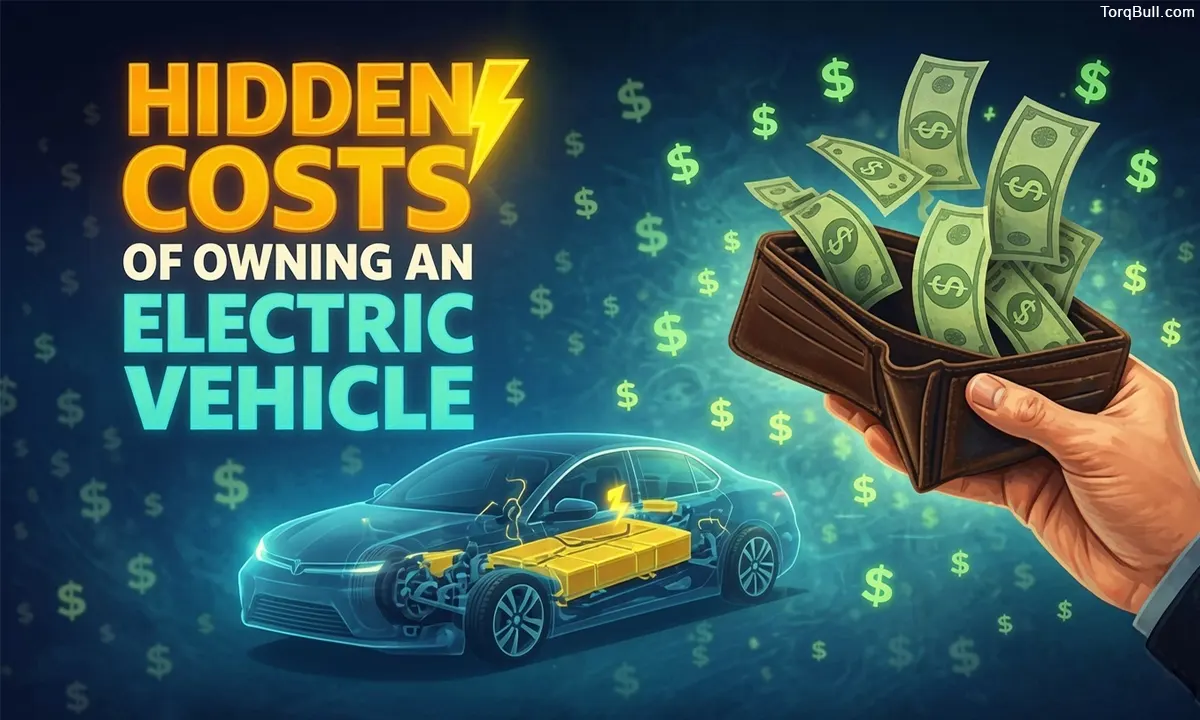
This is the part nobody puts in the brochure. Owning an EV involves a whole puzzle of hidden costs, from insurance and tires to depreciation and potential five-figure repair bills. So let me give you the honest, complete picture of what it really costs to own an EV in America, the genuine savings and the sneaky fees, so you can budget for the whole thing instead of getting blindsided. Quick note, these are averages that vary by model and location, and this is general guidance, not personalized financial advice, so run your own numbers.
First, the Savings That Are Actually Real
I am not here to bash EVs, because the core savings are genuine and worth celebrating. Electricity really is cheaper than gas. Grid electricity averages around 16 cents per kWh, so at 30 kWh per 100 miles, that’s about $4.84 in electricity versus roughly $14 in gasoline for the same distance in a 25 mpg car. Fuel savings typically land around $800 to $1,500 per year.
Maintenance is genuinely cheaper too. It runs about 4 cents per mile versus 8 cents for a gas car, saving roughly $3,000 over five years, because there are no oil changes, no spark plugs, and no transmission service. So yes, the pitch is not a lie. EVs shift costs away from fuel and routine service. The problem is where those costs reappear, because they absolutely do.
Hidden Fee One: Insurance That Makes Your Eyes Water
This is the one that catches everyone off guard. EVs are simply more expensive to insure than their gas equivalents, period. Estimates vary, but electric vehicle insurance costs on average around 42 percent more than for comparable gas cars, with some data showing EV drivers paying north of $4,000 a year versus under $2,800 for gas models. Even the more conservative figures put it around 20 percent higher, roughly $337 a month versus $281.
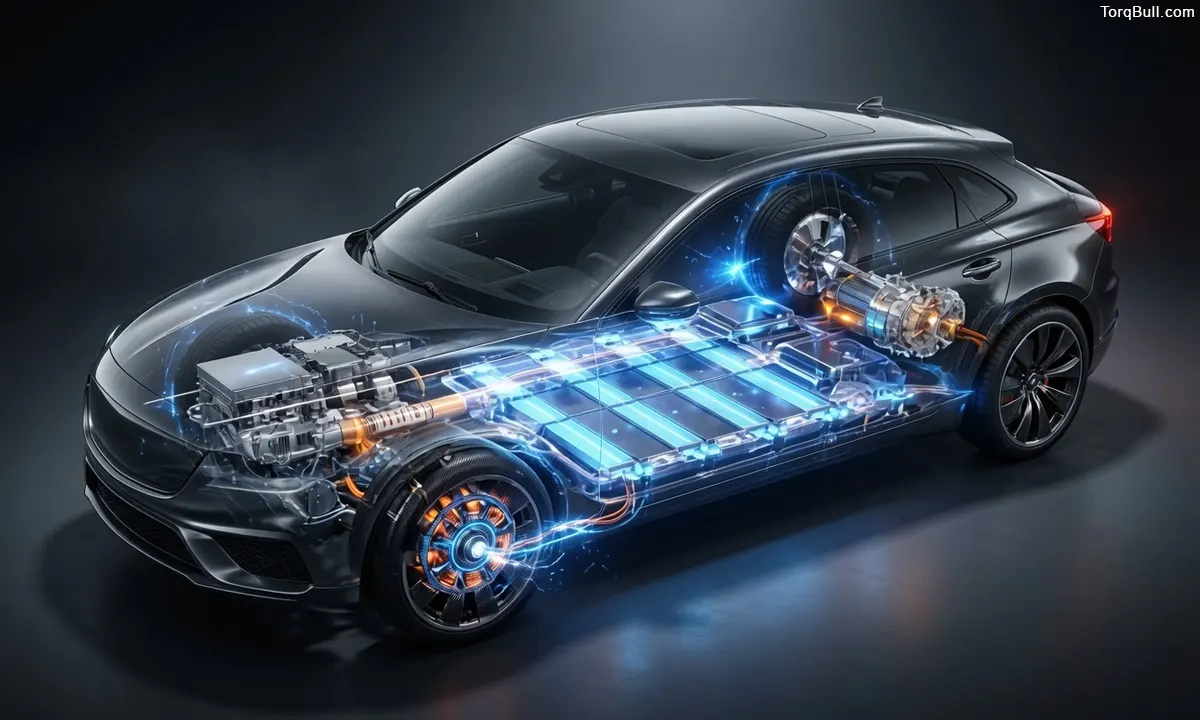
Why the gap? EVs are packed with expensive batteries, aluminum bodywork, complex sensors and cameras, and there’s a relatively small pool of EV-certified repair shops, all of which push claim costs way up. Budget for roughly $3,000 more in premiums over five years. That alone erases a big slice of your fuel savings.
Hidden Fee Two: Tires That Wear Out Twice as Fast
Here is a sneaky one. EVs are heavy, and that instant torque chews through rubber. Most EV owners replace tires every 20,000 to 30,000 miles rather than the 40,000 to 50,000 miles typical of a gas car. And the tires themselves cost more, since many are special low-noise, foam-lined, high-load-rating designs.
For something like a Model 3, a set of four runs $600 to $900 installed, and over 60,000 miles you might buy two sets instead of one, adding $600 to $900 over five years. Not catastrophic, but it is real money the free-fuel fantasy never mentions.
Hidden Fee Three: Depreciation That Falls Off a Cliff
This is the big, quiet wealth-killer. Everyone knows cars depreciate, but many EVs take a swan dive. EVs lose an average of 58.8 percent of their value over five years, versus 45.6 percent for gas cars. On a $60,000 EV, that’s a $35,300 hit compared to about $27,300 for a similar gas vehicle, an extra $8,000 in resale losses.
The cause is brutal: rapid battery and software progress means a three-year-old EV can feel technologically ancient, and shifting incentives can torpedo used values overnight. There is a silver lining, though. Modern EVs are holding value better than the 2020 to 2022 models did, and that steep depreciation makes buying a used EV a genuine bargain. But if you buy new, brace for the drop.
Hidden Fee Four: The Home Charger Install
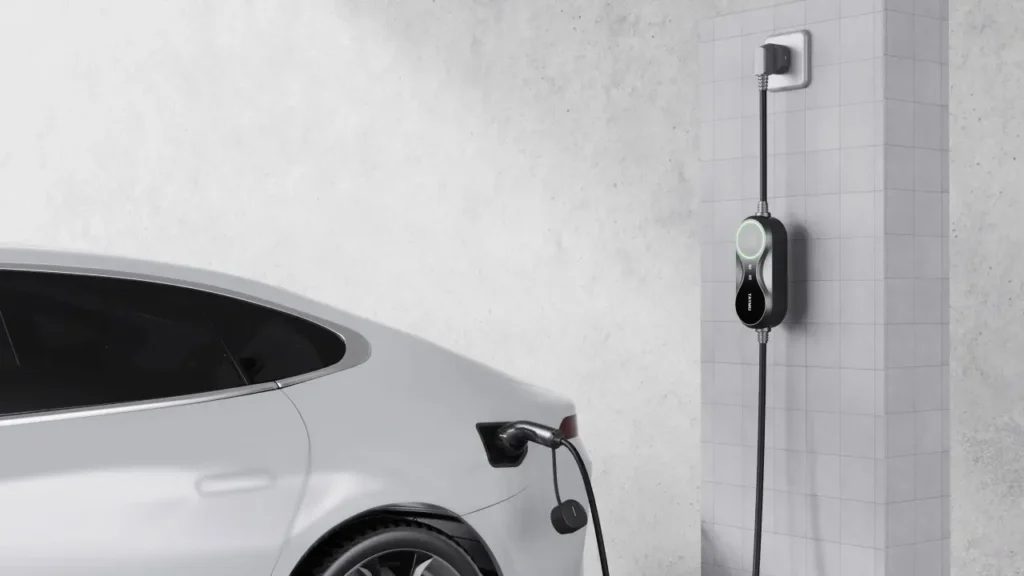
The dealer says charging at home is cheap, and it is, but setting it up often is not. A Level 2 home charger unit costs $300 to $900, and installation, which usually means a licensed electrician running a dedicated 240-volt line from your breaker panel, adds another $200 to $800 or more.
All in, expect roughly $700 to $2,000, with the average install landing around $1,500. If your home needs a panel upgrade, it climbs higher. And here is a painful 2026 wrinkle: the 30 percent federal tax credit that used to offset charger costs expires June 30, 2026, which is today. That cushion is vanishing as you read this.
Hidden Fee Five: The State EV Tax
Because you skip the pump, you skip the gas taxes that fund road maintenance, and states have noticed. Many states now charge an additional annual EV registration fee to recoup that lost revenue, and they range from $50 to over $250 per year, with some higher still. It is a small line item, but it is a recurring one, and it directly offsets your fuel savings. Check your state’s fee before you buy, because they vary wildly.
Hidden Fee Six: Public Charging Isn’t Cheap
Home charging is the whole EV value proposition. Public DC fast charging is where it falls apart. Using a public fast charger can make a fill-up nearly as expensive as a tank of gas, especially at peak times, and that is before demand surcharges, idle fees, and paid-parking or resort fees at some locations turn a quick top-up into a pricey visit.
The rule is simple. If you do 80 to 90 percent of your miles on home charging, occasional fast-charging costs won’t dominate your budget. But if you’ll rely on DC fast charging more than once a week, you need to bake those higher prices into your comparison, because they can erase the EV’s fuel advantage entirely.
Hidden Fee Seven: The Battery Boogeyman (Mostly a Myth)
This is the big scary monster under every EV owner’s bed, so let me defang it honestly. An out-of-warranty battery replacement can run $12,000 to $15,000, which sounds terrifying. But in practice it is rare. Batteries are warrantied for 8 years or 100,000 to 120,000 miles with a 70 percent capacity floor, and real-world data shows most packs retain 85 to 92 percent capacity at 100,000 miles.
So a battery failure before the warranty expires is extremely uncommon, and it’s covered when it happens. The practical advice: on a used EV, pay for a battery state-of-health check, and consider an extended warranty only if you’re a high-mileage driver or buying an older car. For most owners, this scary cost never arrives.
Read: The End of Charging Anxiety! BYD Flash Charging System Explained
The Hidden Costs at a Glance
Here’s the stack of surprises, summarized.
| Hidden Cost | Typical Amount | Frequency |
| Higher insurance | ~$3,000 more | Over 5 years |
| Faster tire wear | $600 to $900 more | Over 5 years |
| Steeper depreciation | ~$8,000 more | Over 5 years |
| Home charger install | $700 to $2,000 | One-time |
| State EV registration fee | $50 to $250+ | Annual |
| Public fast charging | Varies (can rival gas) | Per use |
| Electricity bill increase | $25 to $33/month | Ongoing |
The 2026 Gut Punch: The Offsets Are Gone
Here is what makes these hidden costs sting more this year than last. The two big incentives that used to cushion them have disappeared. The $7,500 federal EV tax credit ended on September 30, 2025, and the federal home-charger credit expires today. A year ago, that $7,500 could absorb much of the depreciation and insurance premium. Now it is gone, which means the hidden fees hit your wallet with nothing to soften the blow. Buyers doing the math in 2026 face a genuinely different equation than those who bought in 2024.
So What’s the Honest Net Picture?
Let me be balanced, because the doom-and-gloom crowd overstates this too. Stack the real fuel and maintenance savings against the hidden costs, and the net five-year difference versus a comparable gas car is usually smaller than buyers expect, and it narrows even further if you buy used. In many regions, EVs still come out 10 to 30 percent cheaper to own over five years, but only if you charge at home, drive moderate miles, and pick the right model.
The key word is conditional. Many of these expenses are avoidable or manageable. You may never pay for a battery. You can often shop your insurance down. You might dodge a panel upgrade. You can buy used to sidestep the worst depreciation. The hidden costs of EV ownership are real, but they are also manageable if you know which ones apply to your situation, your home, your driving, and your specific car.
Here is my read. The EV is not the free-money machine the pitch implies, but it is not the money pit the critics claim either. For the home-charging, moderate-mileage driver who keeps the car many years, an EV still saves money even with all the hidden fees. For the apartment dweller who fast-charges constantly, buys a fast-depreciating luxury model, and trades every three years, the hidden costs can flip the math into a loss.
Verdict: Buy With Eyes Open, Not on the Fantasy
So what does it really cost to own an EV in America? More than the sticker and the electricity bill suggest, but often still less than an equivalent gas car, provided you go in with clear eyes.
The savings are real: $800 to $1,500 a year on fuel and around $3,000 over five years on maintenance. But so are the hidden fees: pricier insurance, faster tire wear, steeper depreciation, a four-figure charger install, annual state EV taxes, and expensive public charging, all now stripped of the federal incentives that used to offset them. The honest truth is that these costs shrink the EV’s advantage to something smaller than the hype promises, and for the wrong buyer they can erase it entirely.
Here is how to come out ahead. Confirm you can charge at home, because that single factor makes or breaks the economics. Shop your insurance aggressively and specifically on the EV model before you buy. Check your state’s EV registration fee. Consider a lightly used EV to let someone else eat the depreciation cliff. And run a real five-year total-cost comparison against the specific gas car you’d otherwise buy, plugging in your actual miles, your electricity rate, and honest insurance quotes.
Do that, and an EV can absolutely be the cheaper, cleaner, more enjoyable choice. Skip it, buy on the never-pay-for-gas fantasy, and you may find yourself like our friend Alex, staring at a doubled insurance bill and a $400 tire, wondering where the free car went. The EV dream is real. It just comes with fine print, and now you have read all of it. Budget for the whole thing, and drive off genuinely ahead.