The Nissan Micra has long been one of the most recognizable and popular compact cars in the global automotive market. Since its original introduction in the early 1980s, the Micra has built a reputation as a practical, reliable, and affordable hatchback that appeals to urban drivers. Over several generations, the model evolved in design, technology, and efficiency, becoming particularly popular in Europe and other international markets. Now, Nissan is preparing to bring the Micra back in a completely new form. The next-generation Nissan Micra is returning as a fully electric vehicle, representing a major step forward in the company’s electrification strategy.
The revival of the Micra as an electric car reflects the broader transformation taking place across the automotive industry. As governments introduce stricter emissions regulations and consumers become more environmentally conscious, manufacturers are accelerating their transition toward electric vehicles. Nissan, one of the pioneers of mass-market electric mobility with the Nissan Leaf, is expanding its EV lineup to include new models that combine sustainability with modern design and technology.
The all-new electric Micra aims to deliver the practicality and affordability that made the original model so successful while incorporating advanced electric powertrain technology. Built on a new electric platform shared with other vehicles in the Renault-Nissan Alliance, the Micra EV promises to offer impressive efficiency, modern connectivity features, and a distinctive design that appeals to a new generation of drivers.
Gallery: Nissan Micra EV
For urban commuters and environmentally conscious buyers, the return of the Nissan Micra as an electric vehicle represents an exciting development in the compact EV segment.
A Completely New Design for the Electric Era
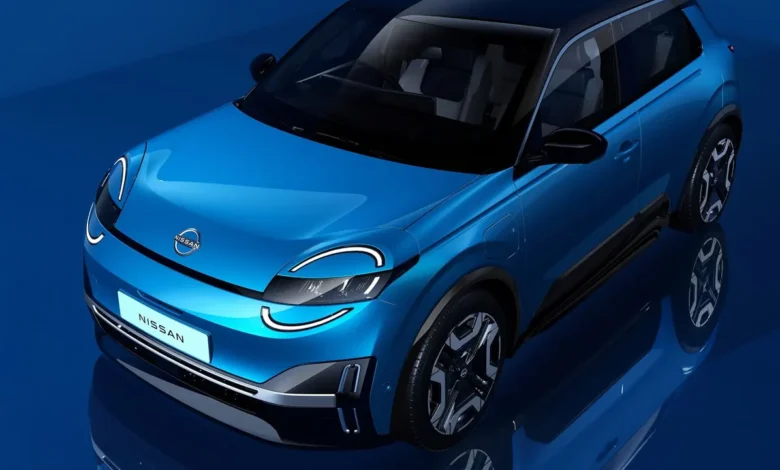
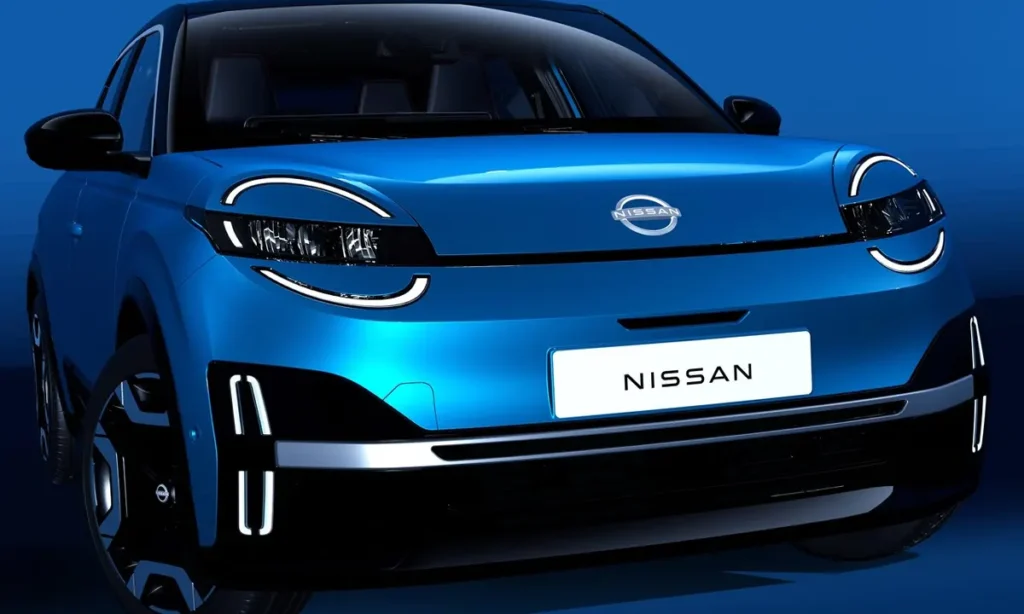
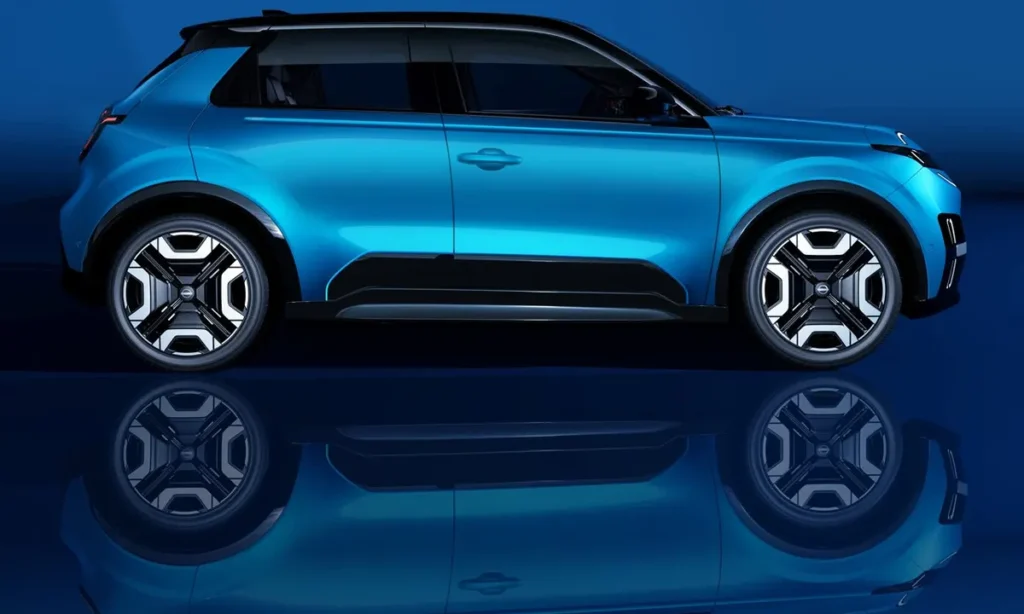
The design of the new Nissan Micra reflects the brand’s effort to modernize the iconic hatchback while preserving the playful character that defined earlier generations. The electric Micra features a fresh design language that blends compact proportions with futuristic styling elements.
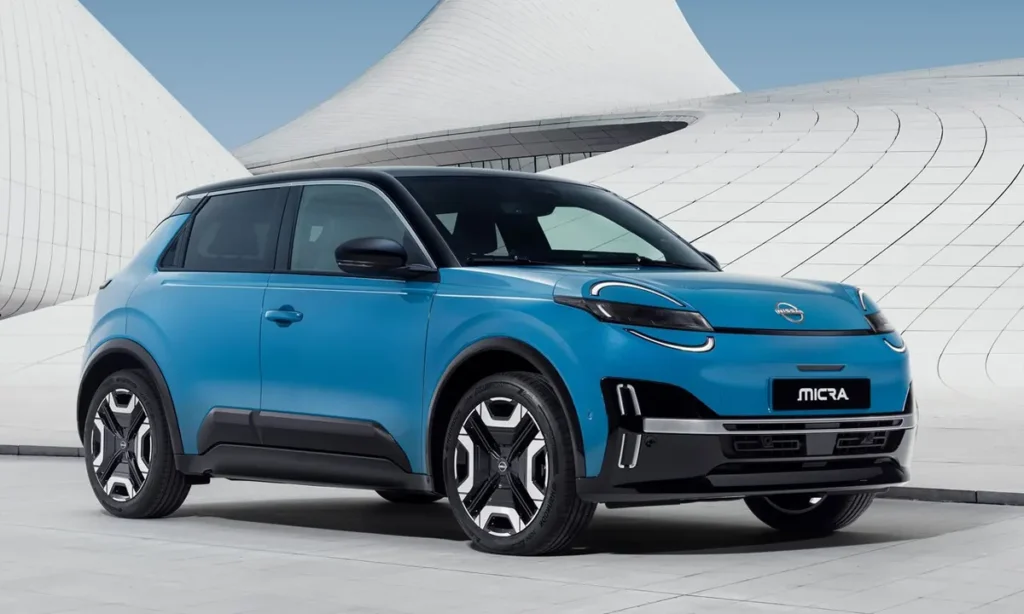
At the front of the vehicle, the traditional grille seen in previous gasoline-powered Micra models has been replaced by a smooth panel typical of electric vehicles. Because electric cars do not require large air intakes for engine cooling, designers have greater freedom to create aerodynamic shapes that improve efficiency.
The headlights are expected to feature distinctive LED lighting elements arranged in circular or semi-circular patterns. These lighting graphics pay homage to the friendly appearance of previous Micra models while giving the new version a modern identity.
The side profile retains the compact hatchback silhouette that makes the Micra ideal for city driving. Short overhangs and a relatively tall roofline maximize interior space while maintaining the vehicle’s compact footprint. Designers have also incorporated sculpted body lines and bold color options to give the car a youthful and energetic appearance.
Large alloy wheels and contrasting roof colors are likely to be available on higher trim levels, allowing buyers to customize their vehicles according to personal preferences.
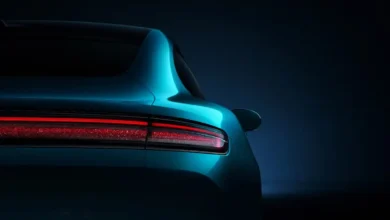
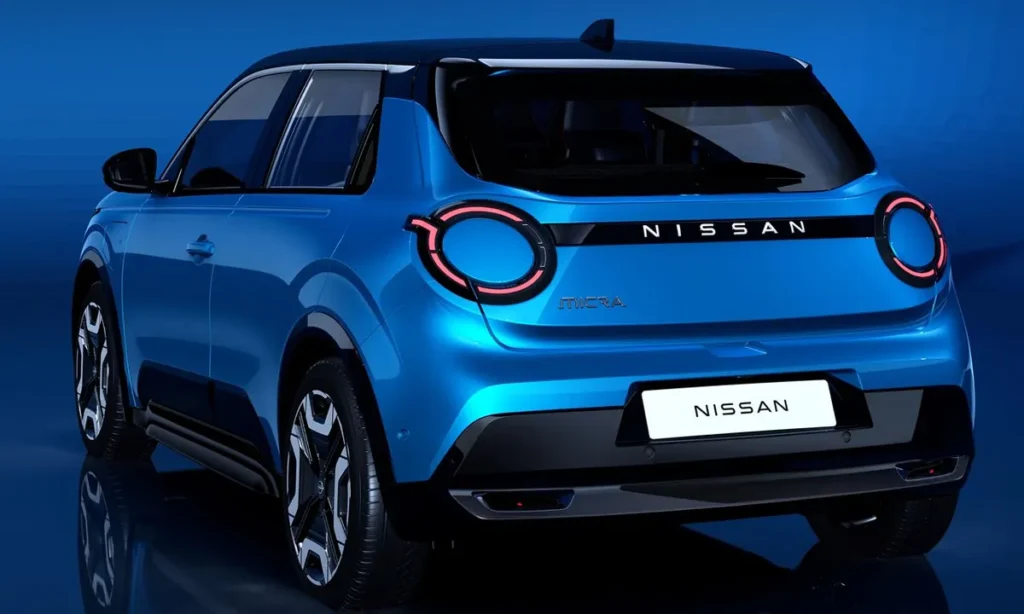
At the rear, the electric Micra continues the theme of modern simplicity. LED taillights create a distinctive lighting signature, while the smooth tailgate design enhances aerodynamic efficiency.
Overall, the new design successfully balances the heritage of the Micra with the futuristic styling expected from modern electric vehicles.
Electric Platform and Battery Technology
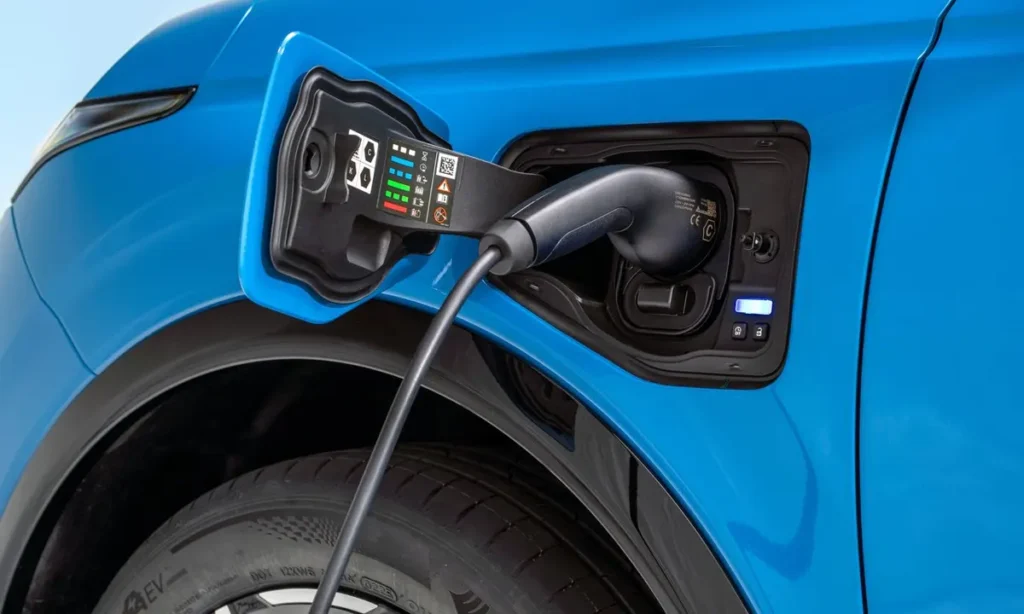
One of the most significant changes in the new Nissan Micra is its fully electric powertrain. The vehicle will be built on the CMF-BEV platform developed by the Renault-Nissan-Mitsubishi Alliance. This architecture is specifically designed for compact electric vehicles and allows manufacturers to integrate battery systems efficiently within the vehicle’s structure.
The battery pack is mounted beneath the floor of the vehicle, which helps lower the center of gravity and improve stability. This design also frees up interior space, making the cabin more comfortable for passengers.
The electric Micra is expected to offer multiple battery options to suit different driving needs. A smaller battery pack will likely be available for drivers who primarily use the vehicle for short urban trips, while a larger battery version may offer extended range for longer journeys.
Early estimates suggest that the Micra EV could achieve a driving range of approximately 350 to 400 kilometers under WLTP testing conditions. This range would make the vehicle competitive with other compact electric hatchbacks in the market.
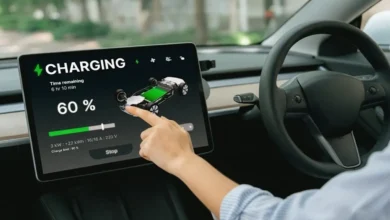
Fast charging capability will also play an important role in the Micra’s practicality. The vehicle is expected to support DC fast charging, allowing the battery to recharge from 20 percent to 80 percent in less than 30 minutes under optimal conditions.
Performance and Driving Experience
Although the Nissan Micra has traditionally been positioned as an affordable city car, the electric version promises to deliver a more dynamic driving experience thanks to the instant torque provided by electric motors.
Electric motors generate maximum torque immediately when the accelerator is pressed, providing quick and smooth acceleration. This characteristic makes electric vehicles particularly well suited for urban environments where frequent stops and starts occur.
The Micra EV is expected to produce between 120 and 150 horsepower depending on the chosen powertrain configuration. While this may not place the vehicle in the performance category, it is more than sufficient for a compact hatchback designed for city driving.
Because the battery pack is located beneath the floor, the vehicle benefits from a lower center of gravity compared to traditional gasoline-powered hatchbacks. This improves stability and handling, making the car feel more planted on the road.
The suspension system will be tuned to prioritize comfort while maintaining responsive handling characteristics suitable for everyday driving.
Interior Design and Digital Technology
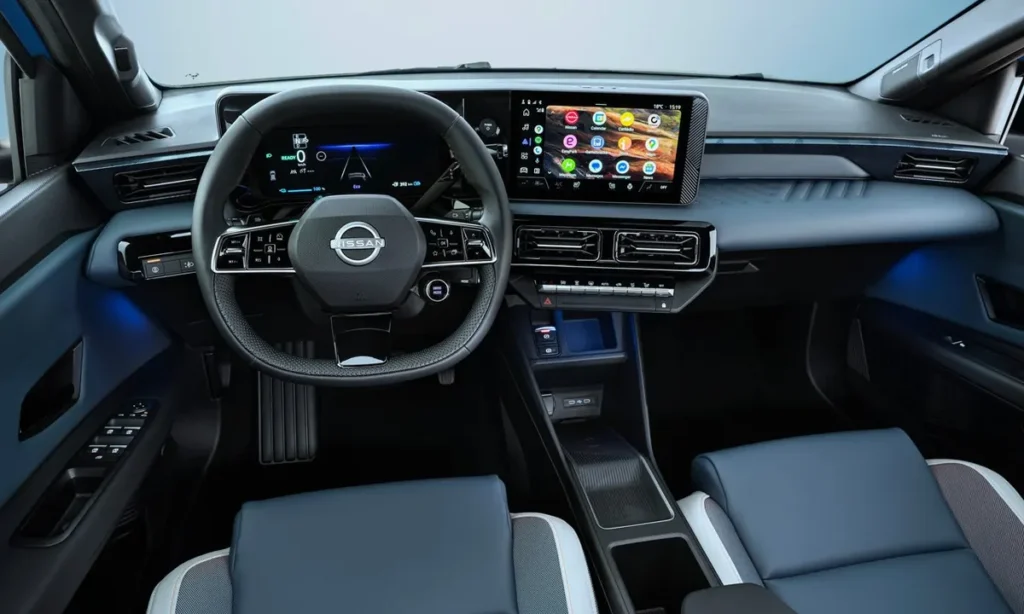
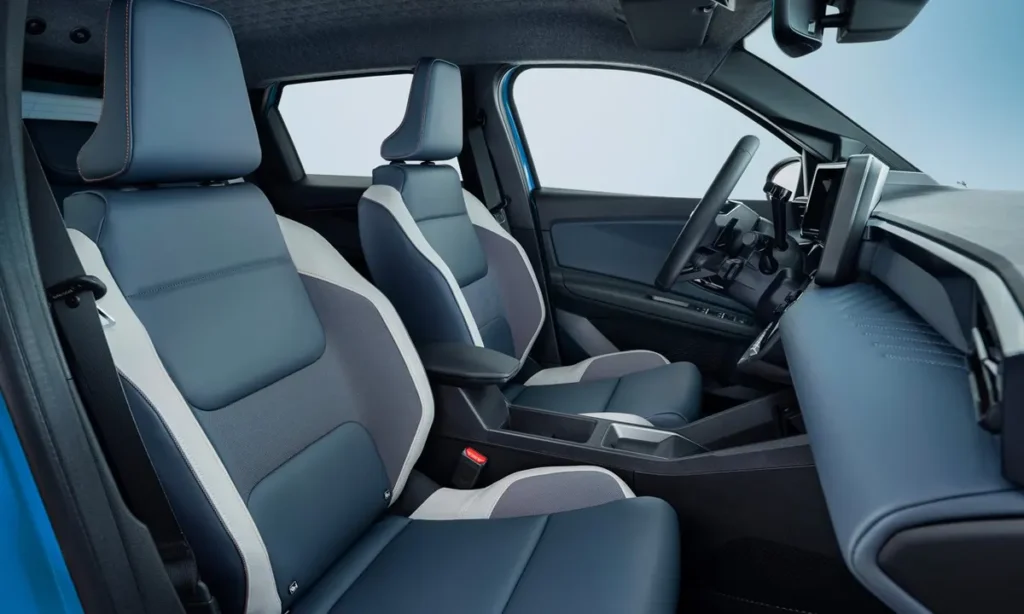
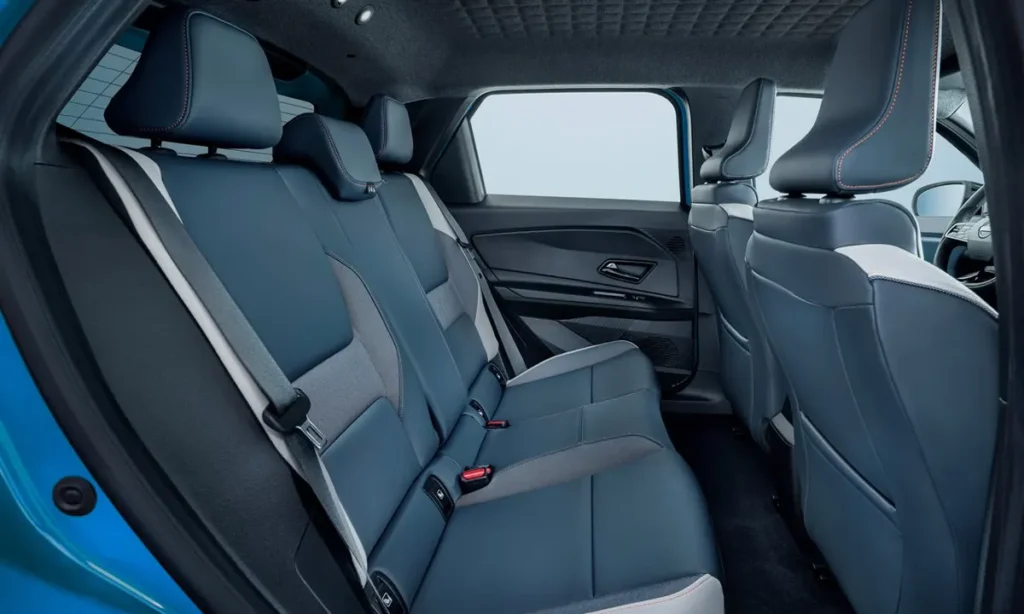
Inside the cabin, the new Nissan Micra embraces a modern and technology-focused interior layout. The dashboard design is expected to incorporate a large touchscreen infotainment system paired with a digital instrument cluster.
The infotainment system will likely support wireless Apple CarPlay and Android Auto integration, allowing drivers to connect their smartphones easily. Navigation systems capable of locating nearby charging stations will also be included to support electric driving.
High-quality materials and customizable interior color schemes will give the Micra a more premium feel than previous generations.
Despite its compact size, the Micra EV is expected to provide comfortable seating for five passengers. The flat floor made possible by the electric platform improves legroom for rear passengers while also enhancing overall cabin space.
Advanced Safety and Driver Assistance Systems
The electric Micra will also incorporate a range of modern driver assistance technologies designed to enhance safety and convenience.
These features are expected to include adaptive cruise control, lane-keeping assistance, automatic emergency braking, and blind-spot monitoring. Together, these systems help reduce the risk of accidents and improve overall driver confidence.
Parking assistance features and rear-view cameras will make the Micra particularly easy to maneuver in tight urban spaces.
Market Position and Competition
The compact electric hatchback segment is becoming increasingly competitive as manufacturers introduce new EV models aimed at urban drivers. The Nissan Micra EV will compete with vehicles such as the Renault 5 Electric, Mini Electric, and Fiat 500e.
Nissan’s advantage lies in its extensive experience in electric vehicle technology. With more than a decade of EV development through the Nissan Leaf, the company has gained valuable expertise that can be applied to the Micra EV.
The new Micra is expected to be priced competitively to attract younger buyers and city commuters looking for an affordable entry point into electric mobility.
Read: Porsche Taycan Turbo S: The Pinnacle of Electric Performance and Future-Focused Engineering
Conclusion: A Classic Nameplate Reinvented for the Future
The return of the Nissan Micra as a fully electric vehicle represents a bold step forward for one of Nissan’s most iconic models. By combining the practicality and affordability that defined earlier generations with modern electric technology, the new Micra EV aims to capture the attention of a new generation of drivers.
With its stylish design, efficient electric powertrain, and advanced digital features, the Micra EV demonstrates how compact cars can adapt to the changing demands of the automotive industry. As electric mobility continues to grow, the Nissan Micra’s transformation into an EV ensures that this legendary hatchback remains relevant in the years to come.
Nissan Micra EV Specifications Chart
| Category | Specification |
| Vehicle Type | Electric Hatchback |
| Platform | CMF-BEV |
| Power Output | 120–150 hp (estimated) |
| Battery Options | Multiple Lithium-Ion Packs |
| Estimated Range | 350–400 km |
| Charging | DC Fast Charging Supported |
| Charging Time | 20–80% in ~30 minutes |
| Seating Capacity | 5 Passengers |
| Body Style | 5-Door Hatchback |
| Launch Year | Expected 2025–2026 |