Here’s the one thing every gas car does better than every electric car: refueling. You pull in, you pump for five minutes, you leave. EVs have chipped away at every other advantage, better torque, lower running costs, no oil changes, but the pit stop is still the sticking point. It’s the last frontier, and two very different technologies are racing to conquer it.
In one corner, fast charging: bigger plugs, higher voltages, and stations sprouting up on every interstate. In the other, battery swapping: robots that yank your dead pack and bolt in a fresh one before you’ve finished your podcast intro. Both promise to kill range anxiety for good. Only one of them is winning in America, and it might not be the flashier one. Let me break down where this actually stands right now.
The Case for Fast Charging: The One That’s Already Everywhere
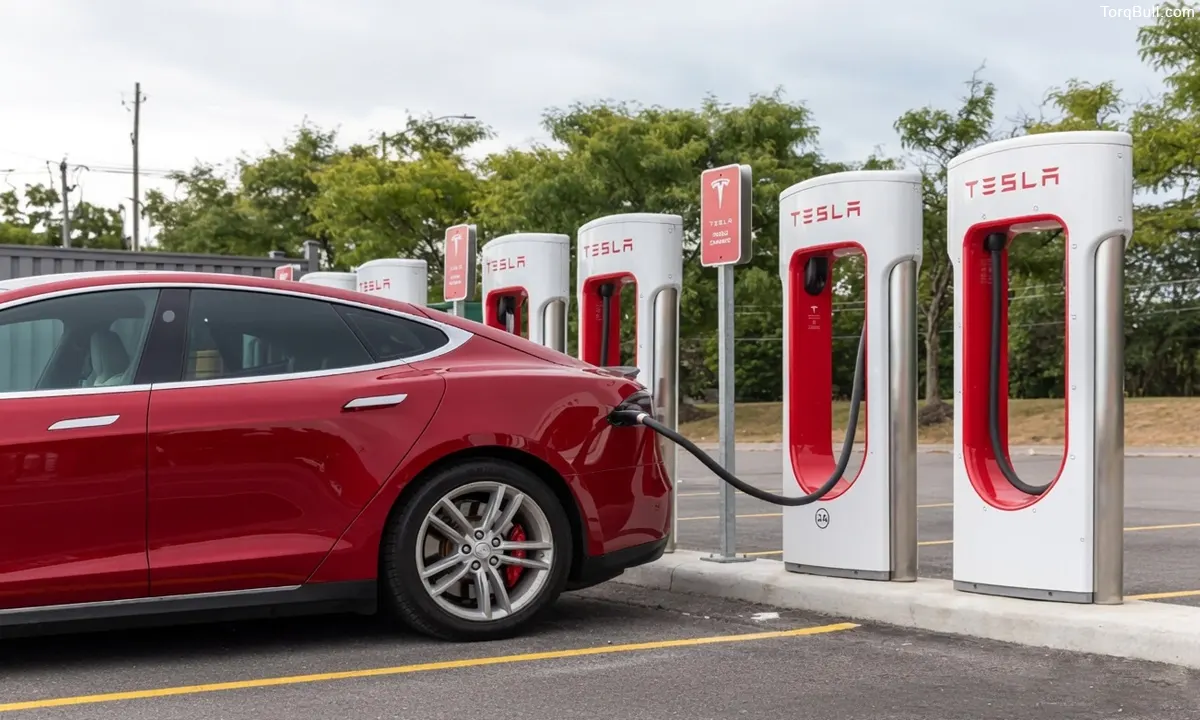
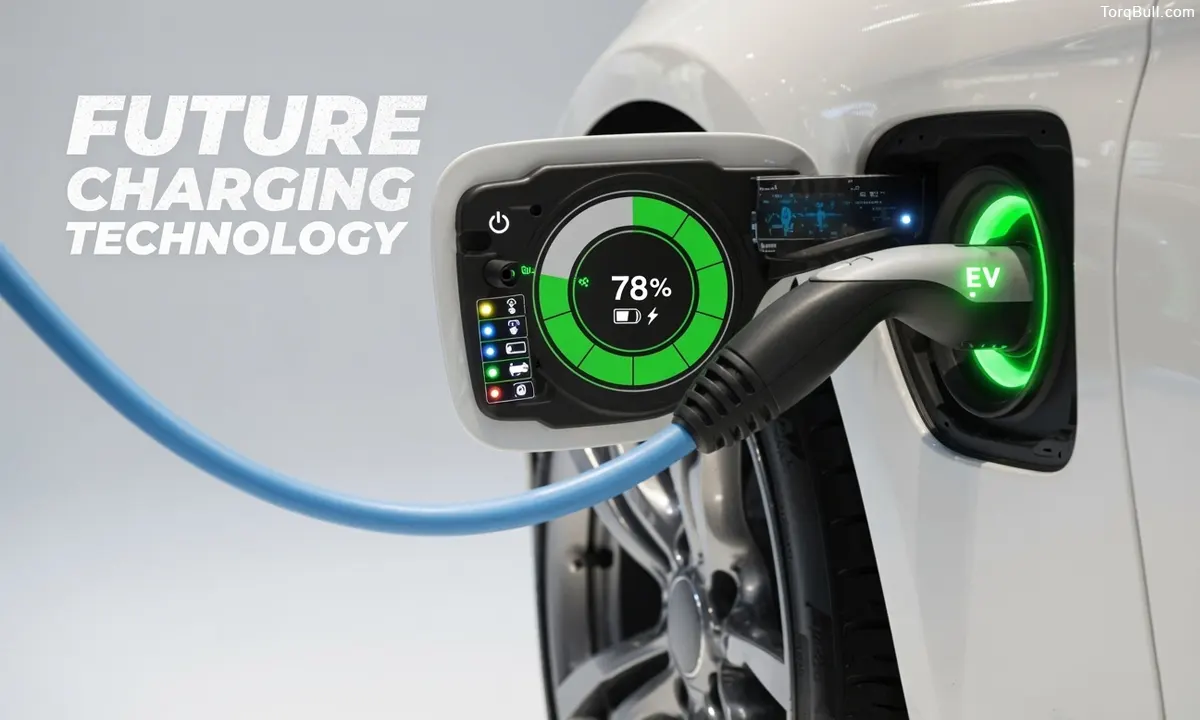
Fast charging’s superpower is that it already exists at massive scale, and it keeps getting better. The days of a slow 50 kilowatt trickle are over. The best 800 volt EVs on sale now, think Hyundai Ioniq 5, Kia EV6, Porsche Taycan, can slurp down 150 to 180 miles of range in about 15 minutes at a 350 kilowatt station. A Lucid Air on its 900 volt architecture can add 200 miles in roughly 12 minutes. That’s genuinely close to gas station territory.
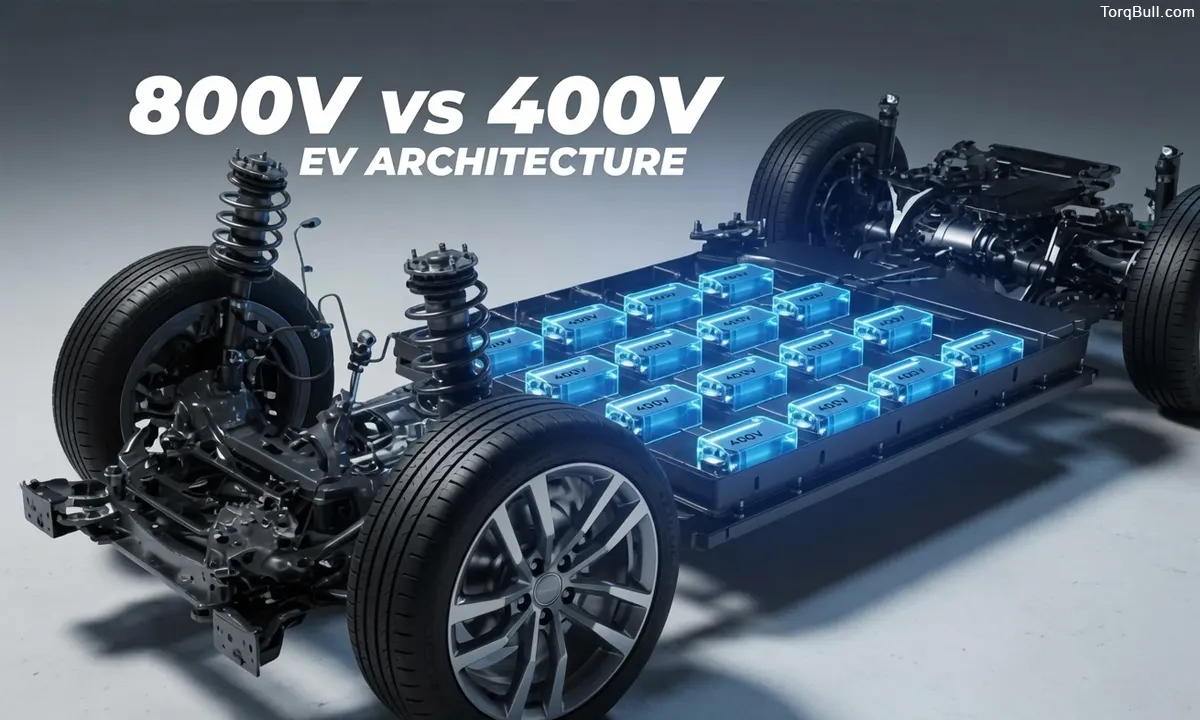
The reason those numbers keep climbing is voltage. Jumping from 400 volt to 800 volt architecture lets the same cable push twice the power without cooking itself, and it flattens the charging curve so the car holds high speeds longer instead of tapering off at 40 percent. In North America, roughly 41 percent of new EVs now ride on 800 volt platforms, and that share is climbing fast.
Then there’s the network, which is where America really separates from the rest of the world. Tesla’s Supercharger network now covers more than half of all US DC fast charging, with 35,000 plus stalls and a reliability rate near 99.95 percent. Almost every automaker, Ford, GM, Rivian, Hyundai, Mercedes, has adopted Tesla’s NACS plug, so that once walled-off network is now the default backbone for the whole country. New EVs are shipping with the plug built in, no adapter needed. That’s a colossal advantage that took over a decade to build.
The Case for Battery Swapping: The Three-Minute Miracle
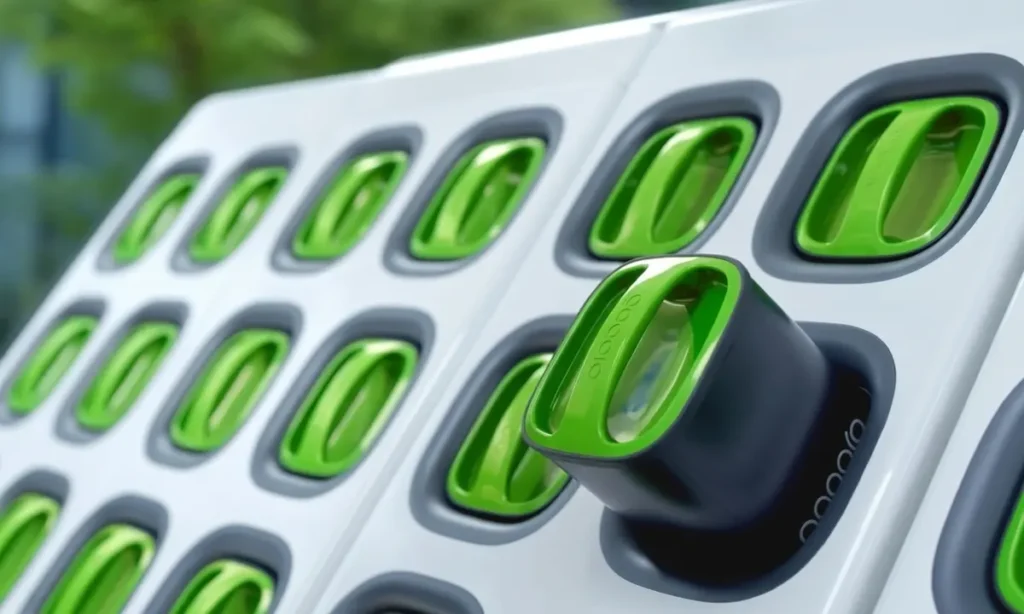
Now for the challenger, and make no mistake, it’s dazzling to watch. You drive into what looks like a small garage, take your hands off the wheel, and let the station do the rest. The floor opens, a machine rises up, unbolts your 1,100 pound battery pack, whisks it underground, and bolts in a fully charged one. Total time: about three minutes. No cables, no waiting, no standing around in the cold.
This isn’t a concept video. In China, NIO has built nearly 4,000 swap stations and just crossed 100 million total swaps, saving drivers a claimed 83 million hours of waiting. CATL, the biggest battery maker on the planet, is rolling out its own “Choco-Swap” standardized packs. At the Beijing Auto Show this spring, NIO ran a live swap in three minutes flat while everyone else was bragging about sub-10-minute charging.
Swapping has clever advantages beyond speed. You can separate the battery from the car and rent it, slashing the upfront price of the EV. Your battery never gets stressed by repeated high-power charging because the station babies it with slow, gentle top-ups. And from the grid’s point of view, swap stations are a dream. They charge their inventory whenever power is cheap and plentiful, instead of hammering the grid with a huge spike every time someone plugs in. For apartment dwellers with no home charger, it’s a lifeline.
Read: 800V vs 400V: Speed, Cost, and the Real Winner
Where Each One Actually Makes Sense
Here’s the part the “which one wins” framing gets wrong. These two technologies aren’t really fighting for the same customer. They’re built for different jobs.
| Fast Charging | Battery Swapping | |
| Refuel time | 12 to 30 minutes | 3 to 5 minutes |
| Upfront station cost | High | Very high |
| Standardization | Solved (NACS, CCS) | Barely started |
| Best for | Everyday drivers, road trips | Fleets, taxis, two-wheelers |
| US availability | Everywhere | Almost nonexistent |
| Grid impact | Big demand spikes | Smooth, flexible load |
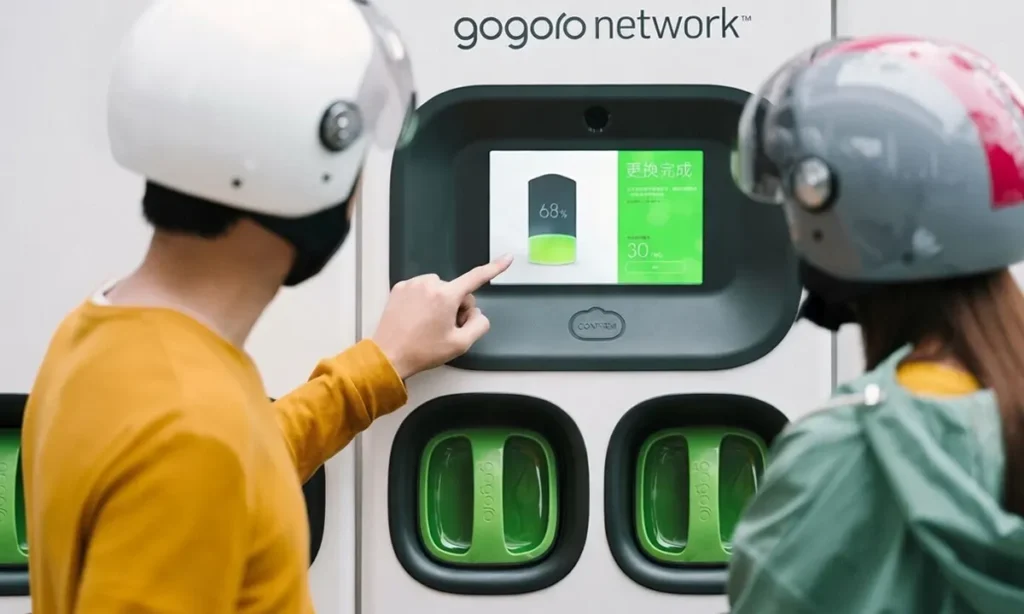
Battery swapping shines brightest where downtime equals lost money. Taxis, ride-hail cars, and delivery vans running 14 hour days can’t afford to sit at a plug. Swap, and they’re earning again in minutes. It’s also a runaway hit for electric scooters and motorcycles in Asia and India, where the batteries are small enough to lift by hand and the economics are dead simple.
Fast charging owns the thing swapping can’t touch: the ordinary consumer buying one car and driving it for years. It works with the car you already have, at stations you can already find, using a plug everyone now agrees on.
The Honest Truth: Why Swapping Struggles in America
I’d love to tell you swap stations are coming to a highway near you. They’re not, at least not for your personal car, and the reasons are stubborn.
The killer is standardization. Fast charging plugs merged around a couple of standards, and NACS basically won. Battery packs are the opposite. Every automaker designs its own, in different shapes, sizes, and voltages, bolted into the chassis in different ways. A swap station only works if thousands of cars share one identical pack, and no US automaker is about to hand over control of their most expensive, most differentiating component so a rival’s car can use the same robot. Without that agreement, you’d need a separate station network for every brand, which is economically insane.
The money doesn’t help either. A single swap station costs several hundred thousand dollars, needs a big physical footprint, has to stock a costly inventory of spare batteries, and can only serve one car at a time. A fast charging hub with eight stalls serves eight cars at once for less capital. And here’s the quiet killer: every minute shaved off charging times makes swapping less necessary. Chinese suppliers are already demoing packs that go from 10 to 70 percent in under 10 minutes. If five-minute charging arrives, and it’s coming, the entire reason to swap starts to evaporate.
The Verdict: Who Really Wins
So which tech actually wins? For American drivers buying a car for themselves, it’s not close. Fast charging wins, and it’s not because it’s more elegant. It wins because it’s already here, it works with every plug and every car, it’s improving at a blistering pace, and nobody has to surrender control of their battery design to make it work. The infrastructure war in the US is effectively over, and the plug won.
But calling swapping a loser misses the point. Swapping wins its own race, the one for fleets, taxis, and the scooter armies of Asia, where uptime is everything and one operator controls all the vehicles. It’s not the future of your driveway. It’s the future of the delivery van dropping off your packages.
The real winner, honestly, is you. Two industries are throwing billions at making the EV pit stop disappear, from two completely different directions. Whether you end up charging in 10 minutes or swapping in three, the era of waiting around for your electric car is finally, mercifully, coming to an end.